Why Electric Scooter Safety Matters: Expert Tips for Florida Rentals
Electric scooter safety has reached a critical point across Florida, and the injury statistics tell a sobering story. The U.S. Consumer Product Safety Commission reported a 22% jump in e-scooter injuries in just one year, with nearly 57,000 riders ending up in the ER in 2022. What's even more alarming - a Tampa General Hospital study found that 41% of scooter crash victims suffered head injuries and nearly a third required hospital admission.
Electric scooters became legal in Florida back in June 2019 when Governor DeSantis signed the legislation. Florida's warm weather and flat roads make it perfect scooter territory, which is why you'll find rental programs all over Orlando, Miami, and Jacksonville. But here's what many riders don't realize: Florida electric scooter laws grant you the same rights and responsibilities as bicyclists. Even more important - while you must be at least 16 years old to ride, operating an e-scooter while impaired can result in a DUI arrest.
We understand that accidents happen, and when they do, you need to know your rights. Before you hop on an electric scooter anywhere in Florida, you need to understand the laws and safety precautions that could protect you and your family. This guide will walk you through the essential regulations, show you the real dangers you're facing, explain who's responsible when accidents happen, and give you expert safety tips to keep your Florida scooter experience both fun and safe.
Understanding Florida E-Scooter Laws
Florida lawmakers officially defined and legalized electric scooters back in June 2019, creating the framework for how they operate throughout the state. Understanding these regulations isn't just about following the law - it's essential for your safety and avoiding costly fines.
What qualifies as an electric scooter in Florida
Florida law treats e-scooters as "motorized scooters" - basically, vehicles without seats that you stand on while riding. For your scooter to qualify legally in Florida, it must:
Not exceed 20 mph on level ground
Have no more than three wheels
Be designed primarily for street or sidewalk use
Unlike motorcycles or mopeds, Florida treats electric scooters more like bicycles, placing them in the "micromobility device" category. This distinction matters when it comes to your rights on the road.
Age, license, and helmet requirements
Here's something that surprises many people - you don't need a driver's license to operate an electric scooter in Florida. However, state law does require riders to be at least 16 years old. Most rental companies set even stricter rules, typically requiring users to be 18 with valid ID.
When it comes to helmets, Florida law only mandates them for riders under 16. But here's what you need to know - CDC studies show that helmets can reduce head injury risk by up to 60%. Given that nearly half of all scooter injuries involve head trauma, wearing a helmet just makes sense regardless of your age.
Where you can and can't ride legally
Florida statute allows electric scooters to operate in specific areas:
Roads with speed limits of 35 mph or less
Bike lanes
Sidewalks in some jurisdictions (always check local rules first)
Maximum speed of 15 mph in bike lanes and 7 mph on sidewalks
Highways and interstates are completely off-limits
How local laws differ from state laws
Here's where things get tricky - Florida grants municipalities significant authority to create their own e-scooter regulations. Rules change dramatically depending on where you're riding.
Fort Lauderdale only allows scooters on sidewalks within city limits, while Hollywood has banned them entirely. Miami permits electric scooters but with strict rules about where you can ride. Doral requires helmets for all ages plus reflective vests and lights at night.
Before you ride anywhere in Florida, check the local ordinances for that specific city. Fines can reach $250 in places like Doral, and getting a ticket ruins any vacation or day out pretty quickly.
The Real Dangers Behind the Ride
The rise in e-scooter accidents across Florida reveals safety concerns that too many riders ignore. As rental programs spread to every tourist destination in the state, understanding these real risks becomes critical for both visitors and residents.
The numbers tell a story that should concern every rider. The Consumer Product Safety Commission reported a 400% increase in e-scooter injuries nationwide since 2017. Florida has become one of the top states for scooter-related emergency room visits as micromobility devices explode in popularity.
A comprehensive Tampa General Hospital study examined 292 e-scooter injury cases and found troubling patterns: 40.8% of patients suffered head injuries and 31.5% required hospital admission. Here's the most concerning part - only 2.1% of injured riders reported wearing helmets. Young adults between 21-30 years old represented nearly one-third of all cases.
Common causes of accidents
Several factors drive the rising accident rates we see across Florida. Driver negligence tops the list, with motorists failing to notice riders or yield right-of-way. Florida roads weren't designed with e-scooters in mind, creating infrastructure hazards that contribute to crashes.
Rider inexperience plays a major role, especially with rental scooters where many users are first-time riders struggling with basic operation. Alcohol use significantly increases risk - studies show that alcohol users are twice as likely to suffer head injuries compared to non-users.
Injuries most often seen in ERs
Emergency physicians across Florida report treating serious trauma from e-scooter accidents daily. Head injuries dominate at 40.8% of cases, followed by fractures and broken bones, primarily in upper extremities.
Orlando Health doctors see e-scooter injuries every single day in their emergency rooms, including severe trauma like "intracranial bleeds, blood on the brain, blood on major organs around the heart, lungs, spleen and liver". Traumatic brain injuries are particularly common among riders without helmets.
Why tourists are at higher risk
Visitors face elevated danger for several reasons. Most tourists are unfamiliar with local traffic patterns and road conditions. Many rent scooters without prior experience or safety instruction.
What makes this worse - visitors often don't realize that local regulations can differ dramatically between neighboring areas. The combination of inexperience, unfamiliarity, and vacation-mode judgment makes tourists especially vulnerable to serious incidents.
If you have been injured in an accident and need a lawyer, call Pittman Law Firm, P.L. today for a free consultation.
Who's Responsible When Accidents Happen?
Figuring out liability after electric scooter accidents can get complicated fast. Multiple parties might share responsibility depending on what actually happened, and you need to understand your rights.
When drivers are at fault
Motor vehicle drivers bear the primary responsibility when they violate traffic laws, drive distracted, or fail to yield right-of-way to scooter riders. When drivers are clearly at fault, their insurance typically covers your medical expenses, lost wages, and pain and suffering damages.
Liability of rental companies
Rental companies face liability when accidents result from equipment malfunction or inadequate maintenance. Many companies make you sign liability waivers, but these don't always protect them from negligence claims. Companies must ensure their scooters meet basic safety standards and provide clear operating instructions.
City and property owner responsibility
Sometimes municipalities bear liability for poorly maintained roads, insufficient signage, or hazardous conditions that contribute to accidents. Property owners may also be responsible if scooter crashes occur due to dangerous premises conditions like unmarked obstacles or inadequate lighting.
How Florida's comparative negligence law affects you
Florida applies pure comparative negligence principles, meaning your compensation gets reduced by your percentage of fault. Even if you're 40% responsible for an accident, you could still recover 60% of damages. This system allows partial recovery even when you share substantial fault, making it crucial to document all contributing factors following any incident.
If you've been injured in an electric scooter accident, consulting a personal injury attorney who specializes in these cases provides the best guidance for your specific situation. We work on a contingency fee basis, meaning there is no fee unless we win your case.
Expert Safety Tips for Florida Scooter Rentals
Protecting yourself while enjoying Florida's e-scooter scene comes down to six essential safety practices that could save your life.
Always wear a helmet—even if not required
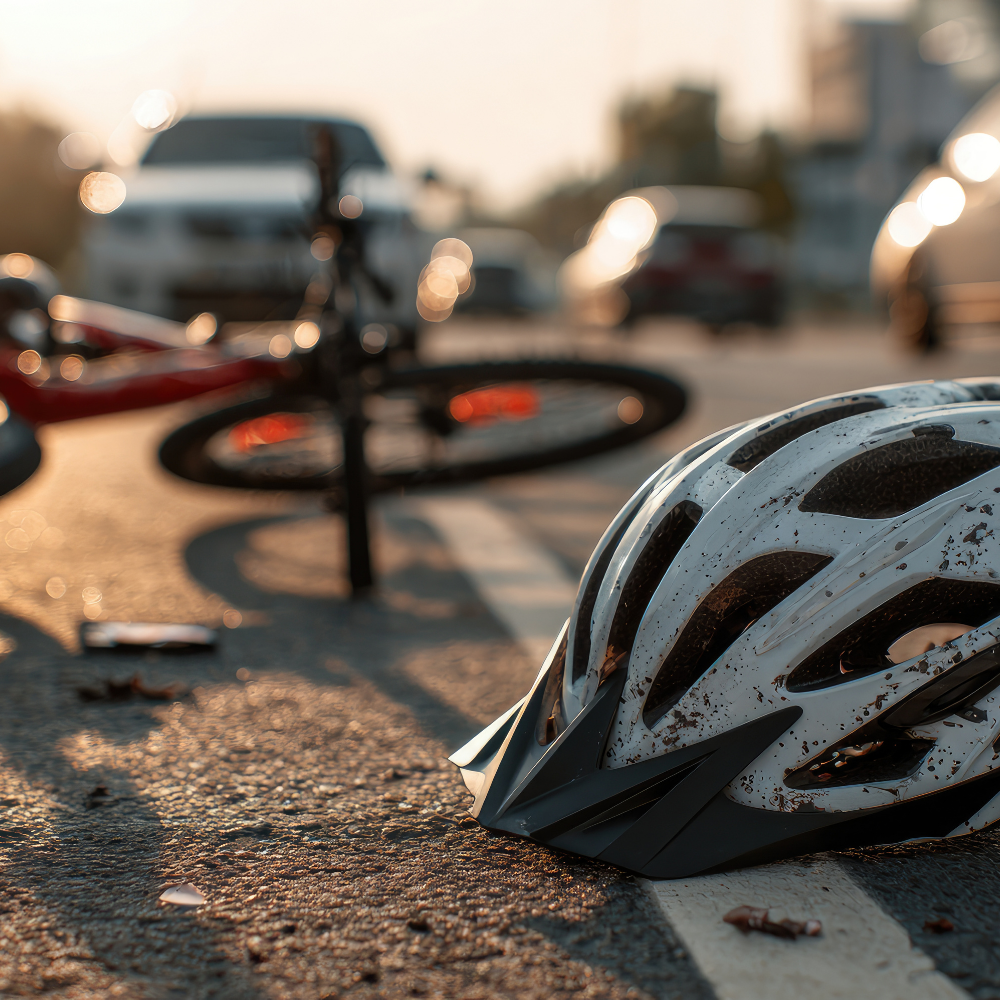
Florida law only mandates helmets for riders under 16, but helmets remain your best defense against serious injury. CDC research shows helmets can reduce head injuries by 60% and brain injuries by up to 70%. Head injuries account for nearly half of all e-scooter injuries treated in emergency rooms. Invest in a properly fitted, DOT or CPSC-certified helmet regardless of your age - it could be the difference between walking away from an accident and a life-changing injury.
Avoid riding under the influence
Operating an e-scooter while intoxicated carries the same penalties as driving a car under the influence in Florida. Alcohol substantially increases your risk of accidents - intoxicated riders are twice as likely to suffer head injuries. Several rental companies now implement sobriety tests before allowing rentals. Don't let a fun night out turn into a nightmare.
Inspect the scooter before riding
Before every ride, check the scooter's critical components. Examine tires for proper inflation and tread wear, test brakes for responsiveness, verify that turn signals and lights function correctly, and ensure the folding mechanism is securely locked. A quick inspection could prevent a serious malfunction that leaves you hurt and facing medical bills.
Stick to bike lanes and avoid sidewalks
Most Florida municipalities require e-scooters to follow specific speed limits: 15 mph in bike lanes and just 7 mph on sidewalks where permitted. Use bike lanes whenever possible rather than mixing with pedestrian traffic or competing with larger vehicles. You have the same rights as bicyclists, but also the same responsibilities.
Use lights and reflective gear at night
Florida law requires a white front light visible from 500 feet and a red rear reflector or light visible from 600 feet when riding after dark. Wear bright or reflective clothing to increase visibility. Don't become another statistic because a driver couldn't see you.
Don't ride with passengers
E-scooters are designed for single riders only. Adding a passenger overburdens the scooter's weight capacity, compromises balance and control, and places tremendous stress on critical components like the frame, motor, and suspension. What seems like harmless fun could result in a serious accident that affects both of you.
Remember, if you've been injured in an electric scooter accident despite following safety precautions, you may have rights under Florida law. Contact Pittman Law Firm, P.L. today for a free consultation to discuss your case.
Your Safety Matters to Us
Electric scooters offer a fun way to get around Florida's beautiful scenery, but your safety has to come first. We've covered the legal framework that's been in place since 2019, showing you how riders have the same rights and responsibilities as cyclists.
The numbers don't lie - a 22% increase in injuries within a single year and nearly 57,000 ER visits nationwide show just how dangerous these vehicles can be. Head injuries affect over 40% of victims, and most injured riders weren't wearing helmets.
When accidents happen, figuring out who's responsible gets complicated fast. It could be drivers who don't yield, rental companies with faulty equipment, cities with poor road conditions, or even riders themselves under Florida's comparative negligence system.
Your safety comes down to following the basics we've outlined. Wear a helmet no matter your age - it can cut your risk of severe injury dramatically. Never ride under the influence, because that doubles your chance of head trauma and can land you with a DUI. Check your scooter before every ride, stick to designated lanes, use proper lighting at night, and never carry passengers.
Florida's great weather and flat roads make e-scooters appealing for both locals and visitors. But with that freedom comes real responsibility.
If you've been injured in an electric scooter accident, you need experienced legal representation. At Pittman Law Firm, P.L., we understand that being injured in an accident can have a major impact on your life, and our team is ready to fight for you. We treat every case like we were handling it for a family member, and we work on a contingency fee basis, meaning there is no fee unless we win your case.
Don't become another case number at a large firm. Contact us today for a free consultation and let our family take care of yours when you need it most.
Key Takeaways
Electric scooter safety in Florida requires understanding both state laws and local regulations, as injury rates have surged 22% in just one year with nearly 57,000 ER visits nationwide.
• Always wear a helmet regardless of age - helmets reduce head injury risk by 60% and brain injuries by 70%, even though Florida only requires them for riders under 16.
• Check local laws before riding - while state law permits e-scooters, municipalities can create stricter rules with fines up to $250 for violations.
• Never ride under the influence - operating an e-scooter while intoxicated carries the same DUI penalties as driving a car and doubles head injury risk.
• Inspect your scooter before each ride - check brakes, tires, lights, and folding mechanisms to prevent equipment-related accidents.
• Stick to bike lanes and follow speed limits - ride at 15 mph in bike lanes and 7 mph on sidewalks where permitted, avoiding highways entirely.
Remember that 40% of e-scooter injuries involve head trauma, and tourists face higher risks due to unfamiliarity with local traffic patterns and regulations. Under Florida's comparative negligence law, you can still recover damages even if partially at fault for an accident.
FAQs
Q1. Are helmets mandatory for electric scooter riders in Florida? Florida law only requires helmets for riders under 16 years old. However, safety experts strongly recommend all riders wear helmets, as they can reduce the risk of head injuries by up to 60%.
Q2. Where are electric scooters allowed to operate in Florida? Electric scooters can generally be ridden on roads with speed limits of 35 mph or less and in bike lanes. Some jurisdictions allow sidewalk use, but riders must adhere to specific speed limits: 15 mph in bike lanes and 7 mph on sidewalks where permitted.
Q3. What are the most common injuries associated with electric scooter accidents? Head injuries are the most prevalent, accounting for about 40% of e-scooter-related emergency room visits. Other common injuries include fractures and broken bones, particularly in the upper extremities.
Q4. Can I be charged with a DUI while riding an electric scooter in Florida? Yes, operating an electric scooter while intoxicated carries the same penalties as driving a car under the influence in Florida. Riding under the influence significantly increases the risk of accidents and injuries.
Q5. What should I check before riding a rental electric scooter? Before each ride, inspect the scooter's critical components. Check the tires for proper inflation and wear, test the brakes for responsiveness, ensure all lights and signals are functioning correctly, and verify that the folding mechanism is securely locked.
The information on this website is for general information purposes only. Nothing on this site should be taken as legal advice for any individual case or situation. This information is not intended to create, and receipt or viewing does not constitute an attorney-client relationship with Pittman Law Firm, P.L.