Skip to Content
Free Consultation 239-603-6913
Top

Cruise Ship Accident Attorney

    • Clear All

Most Recent Posts in Cruise Ship Accident Attorney

  • What Florida Cruise Lines Don't Tell You About Passenger Injury Rights

    When you're injured on a cruise ship departing from Florida, the cruise line won't tell you about the legal landmines hidden in your ticket. What you don't know about your rights could cost you the compensation you deserve.

    More than 7 million passengers sail through South Florida ports each year, making it the cruise capital of the world. Yet most travelers have no idea that specialized maritime law governs their rights after an accident - not the personal injury laws they might expect.

    Cruise lines don't advertise the fine print that can destroy your case.

    Your cruise ticket contains critical legal provisions that severely limit your options after an injury. Slip and fall accidents happen frequently on cruise ships and can leave you with broken bones, brain injuries, or even cause wrongful death in the worst cases. While cruise lines do have legal responsibility for accidents on their ships, virtually every cruise ticket includes clauses requiring you to file lawsuits within just one year of your accident. These tickets contain numerous other provisions that can devastate your personal injury claim.

    What happens after you get hurt on a cruise ship depends entirely on your immediate actions and whether you understand these hidden restrictions. We consistently see passengers who don't realize that maritime law, not standard personal injury law, applies to their case.

    This specialized legal framework, combined with that one-year deadline, creates massive challenges for injured passengers seeking fair compensation.

    Don't let cruise lines take advantage of your lack of knowledge about maritime law. Understanding your rights from the moment you step aboard could make the difference between receiving full compensation and losing your case entirely.

    Here's What You Need to Know

    Cruise passengers face a legal minefield that's completely different from regular injury cases. Your cruise ticket contains hidden clauses designed to limit your compensation options.

    • Act fast after any injury: Report to ship staff immediately, get medical attention both onboard and on shore, and document everything with photos and witness information. Evidence vanishes quickly once you leave that ship.

    • You only have one year to file suit: Most cruise tickets slash your filing time to just one year from your accident date. Some demand written notice within six months.

    • Your cruise ticket controls where you can sue: That fine print likely forces you to file in Miami federal court no matter where you live. It also contains waivers that can hurt your claim.

    • Cruise lines must keep you safe: As common carriers, cruise companies owe you a higher duty of care. They must maintain reasonably safe conditions and can be held liable for negligence.

    • You need a maritime lawyer: These attorneys understand federal regulations, can preserve crucial evidence, and know how to fight powerful cruise line legal teams to maximize your compensation.

    Without understanding these maritime law rules and acting quickly, injured passengers often lose their right to fair compensation entirely.

    Don't become another victim who missed their chance because they didn't know the rules.

    What to Do if You Are Injured on a Cruise Ship

    The actions you take in the first few hours after a cruise ship injury can make or break your ability to receive proper compensation. We understand that being injured during what should be a relaxing vacation can be overwhelming, but taking the right steps immediately protects your rights.

    Cruise lines have protocols for handling passenger injuries, but these processes often protect the company rather than you, the injured passenger.

    Report the Injury to Ship Staff Immediately

    The moment you sustain an injury, notify cruise staff and security personnel. This step is absolutely essential for establishing when and where your injury occurred. Request an official incident report be created and insist on receiving a copy before you leave the ship.

    Many cruise tickets contain strict reporting deadlines - some as short as 24 hours.

    When giving your statement, stick to the facts and avoid admitting fault or speculating about causes. Provide a detailed account of what happened and the circumstances surrounding the incident, but don't let crew members pressure you into downplaying your injuries.

    Seek Medical Attention Onboard and Ashore

    Visit the ship's medical facility right away, even if your injury seems minor. Cruise ships have medical centers staffed by doctors and nurses who can provide initial treatment. This creates an official medical record that ties your injury directly to your time on the ship.

    Don't let cruise staff talk you out of seeking medical attention. We've seen cases where crew members discourage passengers from visiting the medical center to avoid creating documentation.

    Upon returning to port, follow up with a doctor on land for a more thorough evaluation. Symptoms of some injuries, particularly concussions or internal issues, may not appear immediately. Prompt treatment not only protects your health but also strengthens any future claim.

    Document Everything: Photos, Reports, and Witness Info

    Evidence disappears quickly on a cruise ship. Take photos of the accident scene, any hazardous conditions like wet floors, broken railings, or poor lighting, and your visible injuries. Continue documenting how your injuries progress over time.

    Collect contact information from fellow passengers who witnessed the incident. Once the cruise ends, locating these witnesses becomes nearly impossible.

    Keep copies of all medical records, including treatment notes and prescriptions. Create a detailed timeline of events while your memory is fresh, noting conversations with crew members and the names of staff who assisted you.

    These immediate steps form the foundation for any potential claim against the cruise line and help ensure your rights remain protected. Don't become another passenger who loses their right to compensation because they didn't know what steps to take.

    Understanding Your Legal Rights as a Cruise Passenger

    Maritime law creates a completely different legal world for passengers injured at sea. Unlike typical accidents on land, cruise ship injuries operate under specialized federal regulations that dramatically affect your rights and options for compensation.

    Cruise Ship Injuries Fall Under Maritime Law

    The moment you step aboard a cruise ship, you enter a world governed by maritime law—a complex web of federal regulations and international treaties. This specialized area of law applies whether your injury happened in port or on the open ocean. Maritime law controls everything from where you can file your lawsuit to how much time you have to do it.

    You May Be Entitled to Cruise Injury Compensation

    After a cruise ship incident, you can pursue compensation for several types of damages:

    • Medical expenses (both current and future)
    • Lost wages and reduced earning capacity
    • Pain and suffering
    • Long-term medical care for permanent injuries

    In cases involving sexual assault by crew members, courts generally hold cruise lines strictly liable. However, proving negligence remains crucial in most cases—you must show the cruise line knew or should have known about a dangerous condition and failed to fix it.

    Cruise Lines Owe You a Duty of Care

    Cruise ships are legally classified as "common carriers," which means they owe passengers a heightened duty of care. This status requires cruise operators to maintain reasonably safe conditions throughout their vessels.

    This duty goes beyond just providing safe surroundings. Cruise lines must:

    • Promptly address known hazards
    • Conduct regular safety inspections
    • Clearly warn passengers about potential dangers

    Most importantly, this duty cannot be waived or reduced by language in your ticket contract. No matter what fine print they include, cruise lines still owe you this basic level of care.

    The Cruise Lines International Association has established a Passenger Bill of Rights covering emergency medical care and evacuation procedures, though these focus more on operational issues than injury claims.

    Hidden Clauses in Your Cruise Ticket That Affect Your Claim

    The fine print on your cruise ticket is where cruise lines hide the most dangerous traps. Most passengers never read these crucial legal provisions, and that's exactly what cruise companies count on.

    These hidden clauses can destroy your options after you suffer an injury onboard.

    Forum Selection Clauses: Where You Can Sue

    Your cruise ticket likely includes forum selection clauses that control exactly where you must file any lawsuit. Here's what this means for you:

    Most of these clauses force injured passengers to file claims in federal court in Miami, where many cruise lines have their headquarters. This applies regardless of where you live or where your injury happened. Courts consistently uphold these clauses as valid and will dismiss cases filed in the wrong location.

    You might need to travel across the country - or even internationally - just to pursue your compensation. Don't expect the cruise line to warn you about this requirement.

    Time Limits: Why You May Only Have One Year

    Unlike standard personal injury cases that give you years to file, cruise tickets slash your time to just one year from your injury date. Many contracts also require written notice of your injury within six months.

    Miss either deadline and your claim gets completely barred - no matter how serious your injury or how much the cruise line was at fault. These shortened time frames start counting from the date of your accident, not when your cruise ends.

    We've seen passengers lose cases worth hundreds of thousands of dollars simply because they didn't know about these deadlines.

    Waivers and Releases: What You Unknowingly Agreed To

    Cruise tickets contain waiver provisions designed to limit the cruise line's liability. While these waivers don't give cruise lines complete immunity from negligence claims, they create additional hurdles you'll need to overcome.

    Courts can use these waivers to show the cruise line attempted to warn you about certain risks. Shore excursions and special activities often have separate waivers that create even more barriers to injury compensation.

    The cruise line's legal team will use every clause in your ticket against you. Make sure you have an experienced maritime attorney who knows how to fight back.

    How a Cruise Ship Accident Lawyer Can Help

    Don't let cruise lines take advantage of you when you're at your most vulnerable. Trying to handle a cruise injury claim without specialized legal help puts you at a serious disadvantage against powerful cruise line legal teams.

    We Fight to Preserve Critical Evidence Before It Disappears

    Experienced cruise ship accident lawyers immediately send preservation letters demanding surveillance footage, maintenance records, and incident reports. This step is critical—waiting even a few days might result in crucial evidence being routinely destroyed.Once we send these letters, cruise lines become legally obligated to maintain this evidence.

    The strength of your evidence directly determines your potential compensation. Internal cruise documents often provide the most powerful proof of negligence, but you'll never see them without legal representation fighting on your behalf.

    We Handle the Complex Maritime Law Requirements

    Maritime law involves specialized federal rules entirely different from standard personal injury cases. Your attorney will review your ticket's forum selection clause and ensure your claim meets all the strict deadlines that would otherwise destroy your case completely.

    We understand maritime law inside and out – something cruise lines count on you not having.

    We Level the Playing Field Against Cruise Line Legal Departments

    Without legal representation, cruise lines rarely take claims seriously. They frequently offer quick, minimal settlements designed to prevent you from seeking the full compensation you deserve later.

    At Pittman Law Firm, P.L., we treat every case like we were handling it for a family member. We level the playing field against powerful cruise line legal departments who have one goal: paying you as little as possible.

    If you have been injured in an accident and need a lawyer, call Pittman Law Firm, P.L. today for a free consultation.

    We Work to Get You Maximum Compensation

    We work on a contingency fee basis, meaning there is no fee unless we win your case. This arrangement ensures we're motivated to secure maximum compensation covering your medical expenses, lost wages, and pain and suffering.

    Top maritime law firms have recovered millions for injured passengers through skillful negotiation and litigation expertise. We can handle the same complex maritime cases that big firms can, but with the personal attention and care you deserve.

    Don't become another "case number" at an overcrowded firm. Trust us to fight for your right to receive full compensation.

    Conclusion

    Understanding your rights as a cruise passenger can make all the difference after an injury at sea. Throughout this article, we've seen how maritime law creates a completely different legal landscape than standard personal injury cases. Most importantly, you should now recognize that the one-year filing deadline and forum selection clauses in your cruise ticket significantly limit your options after an accident.

    Taking immediate action remains your strongest defense against these restrictions. Specifically, reporting injuries promptly, seeking medical attention both onboard and ashore, and thoroughly documenting evidence all serve as essential steps for protecting your rights. Remember that evidence disappears quickly once you leave the ship, therefore collecting witness information and photographs at the scene becomes crucial.

    Despite what cruise lines might prefer you not know, they owe passengers a heightened duty of care as common carriers. Consequently, when this duty is breached through negligence, you deserve fair compensation for medical expenses, lost wages, and pain and suffering. If you have been injured in an accident and need a lawyer, call Pittman Law Firm, P.L. today for a free consultation.

    The playing field between injured passengers and powerful cruise companies remains deeply unbalanced. Nevertheless, with proper understanding of your rights and specialized legal representation, you can navigate these challenging waters successfully. Rather than accepting a quick, minimal settlement that might not cover your long-term needs, partnering with an experienced maritime attorney gives you the best chance at receiving the full compensation you deserve after a cruise ship injury.

    FAQs

    Q1. What should I do immediately after being injured on a cruise ship? Immediately report the injury to ship staff and request an official incident report. Seek medical attention at the ship's medical facility, even for minor injuries. Document everything by taking photos of the accident scene, collecting witness information, and keeping all medical records.

    Q2. How long do I have to file a lawsuit for a cruise ship injury? Most cruise lines require passengers to file lawsuits within one year of the injury date. This is significantly shorter than typical personal injury statutes of limitations. Additionally, many cruise contracts require written notice of injury within six months.

    Q3. Can I sue a cruise line in my local court? Generally, no. Most cruise tickets contain forum selection clauses that specify where lawsuits must be filed, typically in federal court in Miami. These clauses are usually upheld by courts, meaning you may need to travel to pursue your claim.

    Q4. What types of compensation can I seek for a cruise ship injury? You may be entitled to compensation for medical expenses, lost wages, pain and suffering, and future medical care for long-lasting injuries. In cases of crew member misconduct, cruise lines may be held strictly liable.

    Q5. How can a maritime lawyer help with my cruise ship injury claim? A specialized maritime lawyer can help by promptly gathering crucial evidence, navigating complex maritime laws, dealing with cruise line legal teams, and ensuring your claim is filed correctly and on time. They can also work to maximize your compensation through skilled negotiation and litigation.

    The information on this website is for general information purposes only. Nothing on this site should be taken as legal advice for any individual case or situation. This information is not intended to create, and receipt or viewing does not constitute an attorney-client relationship with Pittman Law Firm, P.L.

    What Florida Cruise Lines Don't Tell You About Passenger Injury Rights
  • Cruise Accident in Florida? Your Essential Guide to Passenger Rights [2026]

    Cruise accidents occur nowhere near as rarely as vacation-goers might think and can turn dream holidays into nightmares. Thousands of passengers board cruise ships yearly, but few think about what it all means. The numbers tell a concerning story - slips, trips, and falls make up 45% of all cruise ship injuries. These accidents can result in broken bones, brain injuries, and in the worst cases, wrongful death.

    Your actions right after a cruise ship injury can substantially affect your chances of getting compensation. The cruise line's staff knows how to protect their company from legal claims. Maritime laws and other rules apply to injuries on Florida cruise ships. Medical treatment should be your priority - skipping it could hurt your injury claim later.

    This piece walks you through what to do after a cruise accident in Florida waters. You'll discover your passenger's rights, proper injury documentation methods, and vital claim deadlines. Time matters here - most cruise lines want written injury notices within 6 months. You must file lawsuits within a year of getting hurt. Understanding these rights now helps protect you later.

    What to Do Immediately After a Cruise Ship Accident

    A disaster during your cruise vacation can impact your health and legal rights. Quick action after a cruise accident helps create a paper trail you need for compensation claims.

    Visit the ship's medical center

    Your health comes first. Get medical care right away, even if injuries seem minor. Ship doctors are available around the clock for emergencies. They can treat common problems and stabilize serious conditions. Medical costs shouldn't stop you from getting help. The fees go to your onboard account with detailed receipts for your insurance. Medical records are vital proof if your condition gets worse or needs more treatment on land.

    Report the incident to ship officials

    After medical care, tell the right ship staff what happened. Your cruise ticket might give you just 24 hours to report an incident. The ship's security team or safety officer needs to know right away. They create an official record just like a police report. Stick to facts when you explain what happened. Don't guess about who's at fault or take blame.

    Request a copy of the incident report

    Getting paperwork is key to protect your rights. The law says you can get copies of your statements, medical records, and incident reports. Ask for these papers before you leave the ship. Take photos of reports or note down that you filed one if staff won't give you copies. These documents show when and how you got hurt - proof you might need later.

    Avoid signing waivers without legal advice

    Cruise companies often rush to injured passengers with quick deals or ask for statements. Early offers usually don't cover full damages like future medical bills or missed work. Don't sign papers, give recorded statements, or take deals before talking to a lawyer. These documents protect the cruise line, not you. Your signature could limit the money you deserve for your injuries.

    Understanding Your Legal Rights as a Passenger

    Cruise ship incidents are different from regular accidents on land. They fall under maritime law, which is a specialized legal framework with its own rules and deadlines. Your grasp of these unique legal protections could help you get the right compensation.

    How maritime law applies in Florida

    Maritime law controls accidents at sea. This creates a more complex legal situation than standard personal injury cases. Cruise ship injury claims usually involve both federal laws and international treaties, whatever port your cruise left from. The Jones Act offers key protections for many injured passengers, especially when there's proof that a cruise ship didn't maintain proper safety standards.

    Cruise line liability explained

    Cruise operators must provide a reasonably safe environment for all passengers by law. You can hold them responsible if:

    • They didn't maintain safe onboard conditions
    • The ship's medical staff gave negligent care
    • An employee assaulted or harassed a passenger
    • Excursion providers didn't supply safe equipment

    All the same, many cruise lines try to limit their liability through contractual clauses and legal loopholes.

    What your cruise ticket contract really means

    Your cruise ticket is more than just a vacation pass—it's a legally binding contract. Most tickets have provisions that can substantially affect your rights, so:

    • They limit where you can file a lawsuit (typically Miami, Florida)
    • They cap potential damages
    • They shorten deadlines for legal action

    Courts usually enforce these provisions if they were clearly communicated to passengers.

    Time limits for filing a claim

    The most crucial part of your legal rights involves strict time limits. Land-based personal injury claims often give you 2-4 years to file, but cruise lines typically need:

    • Written notice of injury within 6 months
    • Formal lawsuit filing within 1 year from incident date

    Missing these deadlines—even by one day—could permanently bar you from compensation. More importantly, many tickets state that all lawsuits must be filed in federal court, often in the Southern District of Florida, whatever place your accident happened.

    Common Cruise Ship Accidents and Injuries

    Cruise ships offer exciting vacations, but they come with safety risks that many passengers overlook. You should know about the most common injuries to protect yourself while enjoying your trip.

    Slip and fall accidents

    Slip and fall incidents make up about 45% of all injuries on cruise ships. The combination of wet decks, polished floors, and the ship's movement creates dangerous conditions. These accidents happen most often near pools, dining areas, staircases, and bathrooms. Victims can suffer broken bones, spinal cord damage, and traumatic brain injuries.

    Food poisoning and illness outbreaks

    The "cruise ship virus," known as Norovirus, spreads faster in enclosed spaces. The CDC declares an outbreak when symptoms affect 3% or more of passengers. Several vessels faced outbreaks in 2026. The Seven Seas Mariner saw 27 passengers fall ill during a January voyage.

    Excursion-related injuries

    Shore excursions can be dangerous despite their safe marketing approach. Passengers face risks from hiking falls, zipline failures, parasailing accidents, and transportation crashes. Many travelers don't know that independent contractors run these excursions, which complicates liability issues.

    Water slide and pool accidents

    Royal Caribbean's Icon of the Seas experienced a serious incident when an acrylic panel broke during a water slide ride and injured an adult passenger. These attractions become especially dangerous with their high speeds, wet surfaces, and mechanical parts.

    Assault or crime onboard

    Sexual assault tops the list of crimes on cruise ships. Physical fights between passengers can escalate quickly. A dispute over a chair turned into a massive brawl involving 30 people.

    Medical malpractice on the ship

    Cruise ship medical facilities might deliver poor care. Passengers faced problems with wrong diagnoses, delayed treatments, and medication errors. The courts now allow passengers to sue cruise lines for negligent medical care, which wasn't possible before.

    Filing a Claim and Getting Legal Help

    Legal expertise plays a vital role when dealing with a cruise accident's aftermath because of complex maritime regulations and cruise line defense strategies. Let's get into the best way to pursue your claim.

    Why you need a cruise ship accident lawyer

    Maritime law creates a legal environment nowhere near regular personal injury cases. All but one of these cruise lines want lawsuits filed within just one year—much shorter than typical injury claim deadlines. Cruise corporations have dedicated legal teams trained to minimize payouts. Professional representation is a significant factor to receive fair compensation.

    How to document your injury for a claim

    Evidence preservation is vital since accident scenes disappear on moving vessels. You should document everything thoroughly. Take high-quality photos of the hazardous condition, surrounding area, and your injuries. Get witness statements from fellow passengers, ask for surveillance footage, and obtain complete medical documentation. Your case strength and potential settlement value depend directly on this evidence.

    Dealing with cruise line insurance companies

    Cruise lines are quick to contact injured passengers with quick settlements that rarely cover future costs. Note that early offers usually protect the company's interests, not yours. Your attorney should handle all communication.

    What compensation you may be entitled to

    Your compensation package has medical expenses, lost wages, pain and suffering, and other damages based on your case specifics. Pittman Law Firm, P.L. offers free consultations if you need a lawyer after an injury accident.

    Conclusion

    A cruise accident can turn your dream vacation into a legal nightmare if you don't know your rights. Maritime law creates a different legal world than land-based incidents. You'll face shorter deadlines and specific filing requirements. Most cruise lines need written notice within 6 months, and you must file lawsuits within one year. Missing these deadlines can permanently bar your claim.

    Your documentation will protect your interests. You need photos of hazardous conditions, witness statements, medical records, and incident reports as evidence. Quick settlements or signed waivers rarely cover future medical costs or lost wages, so avoid them.

    Cruise lines have dedicated legal teams to minimize payouts, but you don't have to face them alone. A skilled maritime attorney knows the complex regulations of cruise accidents and can help you get fair compensation. You might have suffered from a slip and fall, food poisoning, excursion injury, or other incidents. Professional legal help will protect your rights against powerful cruise corporations. If you need a lawyer after an injury, call Pittman Law Firm, P.L. today for a free consultation.

    Knowledge of your rights before and after a cruise ship accident gives you the best protection. Accidents are unexpected, but your response can be well-prepared. When you know the immediate steps, documentation needs, and legal deadlines, you can protect your health and legal rights if your vacation goes wrong.

    Key Takeaways

    If you're injured on a cruise ship in Florida, understanding your rights and taking immediate action can make the difference between receiving fair compensation and losing your claim entirely.

    • Act immediately after an accident: Seek medical care, report to ship officials within 24 hours, request copies of all incident reports, and avoid signing any waivers without legal consultation.

    • Maritime law creates strict deadlines: You must provide written notice of injury within 6 months and file lawsuits within 1 year—much shorter than typical personal injury claims.

    • Document everything thoroughly: Take photos of hazardous conditions, collect witness statements, secure medical records, and preserve all evidence since accident scenes disappear quickly on moving vessels.

    • Cruise lines protect themselves, not you: Early settlement offers rarely cover future costs, and cruise corporations employ dedicated legal teams to minimize payouts—making professional representation essential.

    • Common accidents include slip/falls (45% of injuries), food poisoning outbreaks, excursion injuries, pool accidents, and onboard crimes: Understanding these risks helps you stay vigilant during your vacation.

    The complex nature of maritime law and aggressive cruise line defense strategies make it crucial to consult with an experienced maritime attorney who can navigate federal regulations and secure appropriate compensation for your injuries.

    FAQs

    Q1. What should I do immediately after a cruise ship accident? Seek medical care at the ship's medical center, report the incident to ship officials within 24 hours, request copies of all incident reports, and avoid signing any waivers without legal consultation. Document everything thoroughly, including photos of the accident scene and your injuries.

    Q2. How long do I have to file a claim for a cruise ship injury? Most cruise lines require written notice of injury within 6 months and formal lawsuits to be filed within 1 year from the date of the incident. These deadlines are much shorter than typical personal injury claims, so it's crucial to act quickly.

    Q3. What types of accidents are common on cruise ships? Common cruise ship accidents include slip and fall incidents (accounting for about 45% of all injuries), food poisoning outbreaks, excursion-related injuries, water slide and pool accidents, and onboard crimes such as assault.

    Q4. Can I sue a cruise line if I get injured during my vacation? Yes, you can sue a cruise line if you're injured due to their negligence. Cruise ships owe passengers a duty of safe transportation and protection from harm. However, maritime law creates a complex legal environment, so it's advisable to consult with an experienced maritime attorney.

    Q5. What compensation might I be entitled to after a cruise ship injury? Potential compensation may include coverage for medical expenses, lost wages, pain and suffering, and other damages depending on your specific case. However, it's important to note that early settlement offers from cruise lines often don't cover future costs, so it's best to consult with a lawyer before accepting any offers.

    The information on this website is for general information purposes only. Nothing on this site should be taken as legal advice for any individual case or situation. This information is not intended to create, and receipt or viewing does not constitute an attorney-client relationship with Pittman Law Firm, P.L.

    Cruise Accident in Florida? Your Essential Guide to Passenger Rights [2026]
  • Understanding Your Rights for Injuries Caused by Negligent Security on Cruise Ships

    Cruise ships promise relaxation and adventure, but can negligent security lead to injuries on cruise ships? When a cruise line fails to provide adequate safety measures, you may face risks like theft, assault, or injury. Cruise line liability holds operators accountable for such lapses. You have legal options to seek justice. Filing a claim against the cruise line or even the responsible individual can help you recover damages. To strengthen your case, document the scene, gather witness statements, and keep medical records. These steps ensure you protect your rights and pursue fair compensation.

    Key Takeaways

    • Cruise ships must keep passengers safe. They need to stop theft, attacks, and other harm.

    • If you get hurt because of poor security, gather proof. Take pictures, talk to witnesses, and save medical papers.

    • Tell cruise staff about the problem right away. This creates a record and lets them know what happened.

    • Talk to a lawyer who knows cruise ship laws. They can help you understand your rights and get fair payment.

    • Act fast to meet deadlines. Most cruise lines need written claims in six months and lawsuits in one year.

    Can Negligent Security Lead to Injuries on Cruise Ships?

    Cruise ships are responsible for ensuring your safety during your journey. When they fail to meet this obligation, injuries can occur. Understanding how negligent security plays a role in these incidents is essential.

    The Cruise Line's Duty of Care

    Cruise lines owe you a legal duty of care. This means they must take reasonable steps to protect you from harm. As common carriers, cruise ships are held to a high standard of care. They must ensure your safety by maintaining the vessel, training staff, and implementing proper security measures. A failure to maintain a safe environment can result in serious consequences for passengers.

    Examples of Negligent Security

    Negligent security can take many forms. Here are some common examples:

    Inadequate surveillance or security personnel

    Cruise ships must provide enough trained security staff to monitor the vessel. If they fail to do so, incidents like theft or assault may occur. Insufficient surveillance systems can also leave you vulnerable to harm.

    Poorly maintained or malfunctioning security systems

    Security systems, such as cameras or access controls, must function properly. When these systems are broken or outdated, they cannot prevent unauthorized access or monitor high-risk areas effectively.

    Failure to address known risks or threats

    Cruise lines must act on known risks, such as prior incidents or reports of suspicious activity. Ignoring these warnings can lead to preventable injuries.

    How Negligent Security Can Lead to Injuries

    Negligent security can create dangerous situations. For example, inadequate security may allow theft, robbery, or even assault to occur. Common injuries caused by negligent security include:

    • Robbery and theft

    • Assault and battery

    • Sexual assault

    • Rape

    These incidents can have lasting physical and emotional effects. By failing to provide adequate security, cruise lines put you at risk. Understanding their duty of care helps you recognize when they may be liable for your injury.

    Common Scenarios of Cruise Ship Injuries Due to Negligent Security

    Assaults or Physical Altercations

    Cruise ships often host large numbers of passengers, creating opportunities for conflicts to arise. When security personnel fail to intervene or monitor high-risk areas, physical altercations can escalate. You may face injuries such as bruises, fractures, or even head trauma during these incidents. Inadequate lighting or poorly monitored spaces can make it easier for assaults to occur. The emotional impact of such events can also linger, affecting your sense of safety and well-being long after the cruise ends.

    Theft or Robbery Incidents

    Theft and robbery are common cruise ship injuries caused by negligent security. Insufficient surveillance or poorly trained staff can leave your belongings vulnerable. You might lose valuables like jewelry, electronics, or cash. In some cases, thieves may use force, leading to physical harm. These incidents can disrupt your vacation and result in financial losses. Cruise lines must implement measures like secure storage options and active monitoring to prevent such occurrences.

    Injuries Resulting from Unauthorized Access to Restricted Areas

    Restricted areas on a cruise ship, such as engine rooms or maintenance zones, pose significant risks. If security systems fail to prevent unauthorized access, you could accidentally enter these spaces and suffer severe injuries. For example, you might encounter hazardous equipment or slippery surfaces. These injuries can lead to long-term consequences, including chronic pain or disabilities. You may face ongoing medical expenses and require continuous care. The mental toll of such an ordeal can also affect your quality of life.

    By understanding these scenarios, you can recognize when negligent security may have contributed to your injury. Cruise lines have a responsibility to protect you from harm, and addressing these risks is a critical part of their duty.

    Accidents Due to Lack of Crowd Control

    Crowd control plays a vital role in maintaining safety on a cruise. When cruise lines fail to manage large groups of passengers effectively, accidents can happen. Poor crowd management often leads to injuries, especially in high-traffic areas like dining halls, entertainment venues, or during emergency evacuations.

    Inadequate crowd control can result in dangerous situations. For example, overcrowded staircases or hallways increase the risk of slips, trips, and falls. Passengers may push or shove in congested areas, causing physical harm. During emergencies, the lack of clear instructions or organized evacuation procedures can lead to panic, stampedes, or even severe injuries.

    You might encounter these risks during events like onboard parties, excursions, or embarkation and disembarkation processes. Cruise staff must anticipate these scenarios and take proactive measures. They should provide clear signage, designate staff to guide passengers, and limit the number of people in confined spaces. Without these precautions, you face unnecessary hazards.

    Accidents due to poor crowd control can have lasting consequences. You may suffer broken bones, sprains, or head injuries. These incidents can disrupt your vacation and lead to unexpected medical expenses. Cruise lines have a responsibility to ensure your safety by implementing effective crowd management strategies. If they fail to do so, they may be held accountable for your injuries.

    Understanding the risks associated with inadequate crowd control helps you recognize when negligence may have occurred. By staying aware of your surroundings and reporting unsafe conditions, you can protect yourself and others during your cruise.

    Legal Framework for Cruise Ship Accidents and Pursuing Claims

    Understanding the legal framework for cruise ship accidents is essential when pursuing claims for injuries caused by negligent security. You must know how to prove negligence, identify liable parties, and seek compensation for your losses.

    Proving Negligence in Security Cases

    Proving negligence involves demonstrating that the cruise line failed to meet its duty of care. You need to establish three key elements:

    Establishing the cruise line's duty of care

    Cruise lines owe you a duty of reasonable care under maritime law. This includes maintaining functional security systems, training staff, and addressing known risks. The Cruise Vessel Security and Safety Act (CVSSA) outlines specific safety standards, such as surveillance in public areas and crime reporting protocols. These measures aim to protect passengers from harm.

    Demonstrating a breach of that duty

    You must show that the cruise line breached its duty. For example, broken security cameras or insufficient personnel may indicate negligence. Maintenance and safety records can serve as evidence of lapses in security measures.

    Linking the breach to the injury

    Finally, you need to connect the breach to your injury. Medical records, incident reports, and witness statements can help establish this link. Without this connection, your claims may lack the necessary foundation for legal action.

    Identifying Liable Parties

    Determining who is responsible for your accident can be complex. Liability may extend beyond the cruise line itself.

    The cruise line

    The cruise line often bears primary responsibility for maintaining security. Under general maritime law, it must provide reasonable care to passengers.

    Third-party contractors (e.g., security companies)

    If the cruise line hires third-party contractors for security, these companies may share liability. Their failure to perform duties effectively can contribute to your injury.

    Other passengers or individuals

    In some cases, other passengers or individuals may be at fault. For example, if another passenger assaults you, they could face legal action alongside the cruise line.

    Compensation Available for Victims

    Victims of cruise ship accidents caused by negligent security can seek various forms of compensation. These damages aim to address both financial and emotional losses.

    Medical expenses

    You can recover costs for hospital visits, surgeries, and ongoing treatments. Medical bills often form a significant part of compensation claims.

    Lost wages and future earnings

    If your injury prevents you from working, you may claim lost wages. Severe injuries might also impact your future earning capacity.

    Pain and suffering

    Emotional distress and physical pain are valid components of compensation. Courts consider the long-term impact of your accident when awarding damages.

    By understanding these legal aspects, you can protect your legal rights and strengthen your case. Pursuing a lawsuit requires careful documentation and a clear strategy. Consulting an attorney experienced in cruise ship accidents can help you navigate these challenges effectively.

    Steps to Take After Cruise Ship Injuries Caused by Negligent Security

    Report the Incident Immediately

    You should report the incident to the cruise staff as soon as possible. This step ensures that the cruise line is aware of the situation and can begin an investigation. Request a copy of the official incident report for your records. This document can serve as critical evidence if you decide to pursue a claim. Reporting the injury promptly also helps establish a timeline, which can strengthen your case by showing that you acted responsibly.

    Document the Scene and Gather Evidence

    Proper documentation is essential when dealing with injuries caused by negligence. Start by capturing the scene with photos or videos. Focus on the area where the incident occurred, any visible hazards, and your injuries. Take multiple angles to provide a comprehensive view. If any of your belongings were damaged, include them in your documentation.

    Take photos or videos of the area

    Photographs and videos can serve as powerful evidence. Include identifiable objects in the frame to provide scale and context. For example, if you slipped due to a wet floor, capture the puddle and any nearby warning signs—or lack thereof. These visuals can help demonstrate the cruise line’s negligence.

    Collect witness statements and contact information

    Witnesses can provide valuable support for your claim. Speak to other passengers or staff who saw the incident. Ask for their contact information and a brief statement about what they observed. Their accounts can corroborate your version of events and highlight any lapses in security.

    Seek Medical Attention and Keep Records

    Your health should be your top priority. Visit the ship’s infirmary immediately, even if your injuries seem minor. Medical staff can assess your condition and provide treatment. Request copies of your medical records and any reports they generate. These documents can serve as evidence of the injury and its severity.

    Keep all medical documentation, including diagnoses, treatment plans, and receipts for expenses. These records not only support your claim but also help calculate the compensation you may be entitled to. By prioritizing your health and maintaining thorough records, you protect both your well-being and your legal rights.

    Notify the Cruise Line in Writing

    You should notify the cruise line in writing as soon as possible after your injury. This step is crucial for preserving your legal rights and creating a formal record of the incident. Written notification ensures that the cruise line cannot deny knowledge of the event later. It also helps initiate an official investigation into the circumstances surrounding your injury.

    Reporting your injury is critical as it usually initiates a shipboard investigation. Failure to report could make proving your legal claim difficult or even impossible.

    When notifying the cruise line, include key details such as the date, time, and location of the incident. Describe what happened and mention any witnesses who can support your account. Keep a copy of this notification for your records. This document can serve as valuable evidence if you decide to pursue legal action.

    In many cases, you must provide written notice of your claim within six months. Failing to do so could jeopardize your ability to recover damages. However, courts may allow exceptions if the cruise line already knew about the injury and was not disadvantaged by the lack of notice. You must also provide a valid reason for any delay in reporting.

    1. If you do not provide notice of a claim within six months, it may affect your ability to recover damages.

    2. The court may still allow recovery if it finds that the cruise line had knowledge of the injury and was not prejudiced by the lack of notice.

    3. There must be a satisfactory reason for not providing notice.

    Taking this step promptly strengthens your case and demonstrates that you are serious about holding the cruise line accountable.

    Avoid Speaking to Insurance Adjusters Without Legal Counsel

    After your injury, you may receive calls from insurance adjusters representing the cruise line. Avoid speaking to them without consulting a lawyer first. Insurance companies aim to protect their interests, not yours. Their goal is to minimize liability, which can jeopardize your ability to receive fair compensation.

    If you speak to an adjuster, they may misinterpret your statements or take them out of context. Anything you say could be used against you in future claims. For example, if you downplay the severity of your injury, the insurance company might argue that you do not deserve full compensation. Even casual remarks can weaken your case.

    • Speaking to insurance adjusters without legal counsel can lead to misinterpretation of statements.

    • Statements made can be used against the injured party in future claims.

    • Insurance companies aim to minimize their liability, which can jeopardize the injured party's legal rights.

    Instead of engaging with adjusters, refer them to your attorney. A lawyer can handle these conversations on your behalf, ensuring that your rights remain protected. This approach prevents you from unintentionally harming your case and increases your chances of receiving the compensation you deserve.

    By avoiding direct communication with insurance adjusters, you take an important step toward safeguarding your legal interests. Let your attorney guide you through this process to ensure the best possible outcome.

    The Importance of Consulting an Attorney for Cruise Ship Accidents

    Understanding Maritime Law and Jurisdiction

    Maritime law governs incidents on navigable waters, including cruise ship injuries. It establishes the legal framework for claims and determines jurisdiction. You may face challenges because maritime law differs from state and federal laws. For example, most cruise ships register under foreign flags, which means the laws of the country of registration often apply. If your injury occurred on a ship departing from a U.S. port, state laws, federal laws, or international treaties might also influence your case.

    Jurisdiction depends on the location of the incident and the ship's flag state. Cruise lines often include clauses in passenger tickets that limit liability and specify where lawsuits can be filed. These clauses may also impose strict deadlines for filing claims. Acting quickly and consulting an attorney ensures you protect your rights. A lawyer specializing in maritime law can help you navigate these complexities and determine the best course of action.

    Navigating Complex Legal Processes

    Cruise ship injury cases involve unique legal challenges. You must understand maritime law, which includes concepts like unseaworthiness and comparative negligence. Unseaworthiness holds vessel owners strictly liable for unsafe conditions, while comparative negligence can reduce compensation if you share fault for the injury.

    Determining jurisdiction is another hurdle. Cruise lines often dictate this through ticket contracts, which may require you to file claims in specific courts. Additionally, you must adhere to strict deadlines, such as notifying the cruise line within six months and filing a lawsuit within one year. Missing these deadlines can bar you from recovering damages. A lawyer can guide you through these processes, ensuring you meet all requirements and build a strong case.

    Maximizing Your Compensation

    To maximize compensation, you must act promptly and gather strong evidence. Seek medical attention immediately and keep detailed records of your treatment. Document the scene by taking photos or videos of the accident area and your injuries. Report the incident to cruise staff and request a copy of the official report. Witness statements from other passengers or staff can also strengthen your claim.

    Your ticket governs your rights, including when and where to file a claim. Failing to meet notice periods or filing deadlines can jeopardize your case. Consulting an attorney helps you understand these requirements and ensures you take the necessary steps to secure fair compensation. A personal injury attorney with maritime law expertise can handle the complexities of your case, allowing you to focus on recovery.

    Protecting Your Rights Against Cruise Line Legal Teams

    Cruise line legal teams often use aggressive tactics to minimize their liability. Protecting your rights requires preparation and the right legal support. Understanding their strategies and knowing how to respond can strengthen your case.

    Cruise lines may argue that hazards were "open and obvious," claiming they had no duty to warn you. For example, they might state that a wet floor was visible or that a raised threshold was not dangerous due to a lack of prior incidents. These defenses aim to shift responsibility away from the cruise line. Without legal guidance, you may struggle to counter these arguments effectively.

    Hiring an attorney experienced in maritime law is essential. They understand the complexities of these cases and can help you navigate the legal process. Attorneys use several strategies to protect your rights:

    1. They provide comprehensive legal support, guiding you through every step of your claim.

    2. Their expertise in maritime law ensures they can hold cruise lines accountable for negligence.

    3. They gather evidence to prove the cruise line failed to provide adequate security.

    4. They fight for compensation, including medical expenses, lost wages, and emotional distress.

    You should document the incident thoroughly. Take photos, collect witness statements, and keep all medical records. Avoid giving statements to cruise line representatives without consulting your lawyer. Even if your ticket includes a waiver of rights, you may still have legal options under maritime law. An attorney can help you explore these avenues and build a strong case.

    By working with a skilled lawyer, you level the playing field against cruise line legal teams. This approach ensures your rights remain protected and increases your chances of receiving fair compensation.

    Cruise lines must prioritize passenger safety by implementing advanced security measures and adhering to federal laws. They are responsible for regular inspections, hazard removal, and warning passengers of potential dangers. When negligent security leads to an injury, you have the right to hold them accountable. Taking immediate action, such as documenting the incident and consulting an attorney, is essential for protecting your rights. Legal claims can address physical and emotional distress, medical expenses, and other losses. If you or a loved one has suffered due to negligent security, seek legal advice to ensure justice is served.

    FAQ

    What should you do if you get injured on a cruise due to negligent security?

    Report the incident immediately to the cruise staff. Document the scene with photos or videos. Collect witness statements and seek medical attention. Notify the cruise line in writing and consult an attorney to protect your rights and pursue compensation.

    Can you sue a cruise line for injuries caused by negligent security?

    Yes, you can sue a cruise line if their negligence caused your injury. You must prove they failed to meet their duty of care, which led to your harm. Consulting a maritime attorney helps you navigate the legal process effectively.

    How long do you have to file a claim for cruise ship injuries?

    Most cruise lines require written notice within six months and lawsuits within one year. These deadlines are often stated in your ticket contract. Acting quickly ensures you meet these requirements and strengthens your case.

    What types of compensation can you receive for cruise ship injuries?

    You can seek compensation for medical expenses, lost wages, future earnings, and pain and suffering. The amount depends on the severity of your injury and the circumstances of the incident. An attorney can help you maximize your claim.

    Why is hiring an attorney important for cruise ship injury cases?

    Cruise ship injury cases involve complex maritime laws and strict deadlines. An attorney ensures you meet all legal requirements, gather strong evidence, and counter cruise line defenses. They protect your rights and help you secure fair compensation.

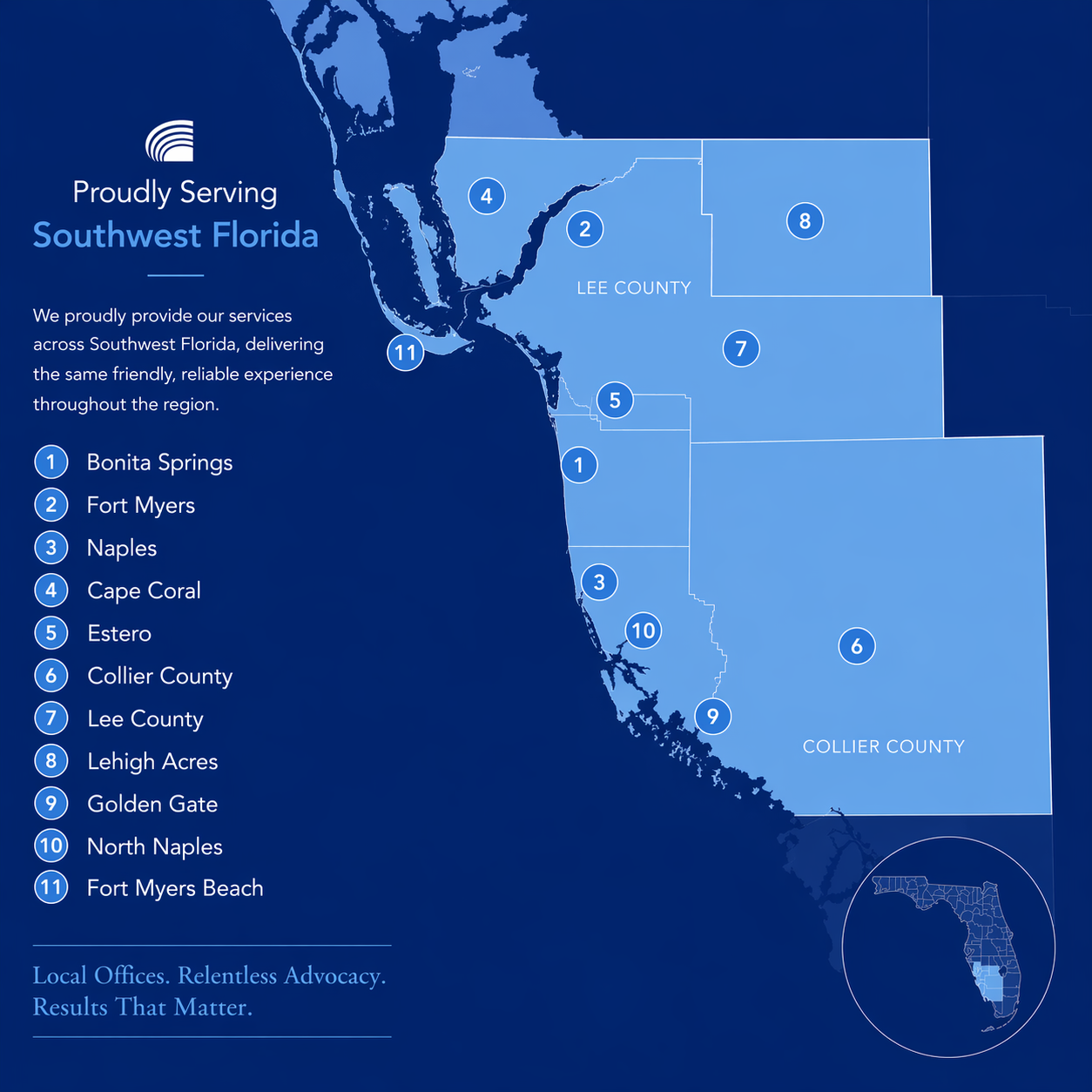
    If you or someone you love has been injured on a cruise ship and need a lawyer, call our Fort Myers, Bonita Springs, and Naples, Florida Cruise Ship Accident Attorneys at Pittman Law Firm, P.L. today for a free consultation.

    The information on this website is for general information purposes only. Nothing on this site should be taken as legal advice for any individual case or situation. This information is not intended to create, and receipt or viewing does not constitute an attorney-client relationship.

    Understanding Your Rights for Injuries Caused by Negligent Security on Cruise Ships
  • The Most Common Injuries from Accidents on Cruise Ships

    What starts as a dream vacation can quickly turn into a nightmare when accidents on cruise ships occur. While cruise lines promote their vessels as floating paradises, thousands of passengers face unexpected injuries each year while at sea.

    Cruise ship accidents can range from minor incidents to severe emergencies, often leaving passengers dealing with both physical and emotional trauma. Understanding the most common types of injuries and knowing your rights as a passenger is crucial for your safety and well-being while aboard.

    This guide examines the most frequent injuries that occur during cruise ship accidents, along with essential information about medical responses, prevention measures, and what steps you should take if you experience an injury at sea.

    Medical Response to Cruise Ship Injuries

    Modern cruise ships maintain sophisticated medical facilities to handle injuries and emergencies at sea. Understanding the medical response system on your cruise ship can provide peace of mind during your voyage.

    Onboard Medical Facilities and Capabilities

    Every major cruise ship features a well-equipped medical center staffed by qualified physicians and nurses. These facilities include:

    • Examination and treatment rooms
    • Intensive care units
    • Isolation rooms for infectious cases
    • Advanced cardiac life support equipment
    • X-ray machines and laboratory facilities
    • Pharmacy with essential medications

    Emergency Response Protocols

    When you experience a medical emergency on board, you'll have access to 24-hour medical care. The medical staff includes at least one physician and multiple nurses who meet strict qualification requirements, including three years of post-graduate experience in emergency medicine. They're trained to handle everything from minor injuries to life-threatening conditions.

    Medical Evacuation Procedures

    In severe cases where your condition requires more comprehensive care than is available onboard, the ship's medical team will coordinate your evacuation. The process depends on several factors, including the ship's location and your medical condition. If you're near port, the ship may divert course for immediate medical disembarkation. For critical emergencies at sea, helicopter evacuation can be arranged through Coast Guard services, though this option is reserved for the most serious cases due to the additional physical and emotional stress involved.

    The ship's medical team works closely with onshore facilities to ensure you receive appropriate follow-up care after evacuation. They maintain communication systems for consulting with specialists on land and coordinating your transfer to suitable medical facilities.

    Physical Impact of Maritime Accidents

    The physical toll of maritime accidents can be severe and long-lasting. Recent studies show that cruise ship accidents result in various types of injuries that can significantly impact your vacation experience and overall well-being.

    Traumatic injuries from ship movement

    When your cruise ship encounters rough seas, sudden movements can lead to serious injuries. Research indicates that slips, trips, and falls are the most common causes of injuries both on ships and onshore. You're particularly vulnerable to:

    Impact of weather-related incidents

    Weather-related accidents pose significant risks to your safety aboard cruise ships. A recent incident in November 2023 highlighted these dangers when violent storms with winds up to 63 miles per hour resulted in over 100 passenger injuries on a single vessel. Extreme weather can cause unexpected ship movements, leading to passenger falls and collisions with ship structures.

    Equipment malfunction injuries

    Your safety can be compromised by malfunctioning equipment aboard cruise ships. Particularly concerning are automatic door incidents, with court records revealing multiple serious injuries in recent years. In one documented case, a passenger suffered a fractured hip requiring surgery when automatic doors malfunctioned. Other equipment-related hazards include elevator incidents, which can result in sudden stops or drops causing significant injuries.

    While cruise lines implement various safety measures, understanding these physical risks helps you stay vigilant during your voyage. Remember that about two-thirds of all cruise ship accidents occur on board, with the remaining third happening during shore excursions.

    Psychological Effects of Cruise Accidents

    Beyond the immediate physical injuries, experiencing accidents on cruise ships can leave lasting psychological scars. Recent studies reveal that maritime accidents create unique mental health challenges due to their isolated nature and prolonged impact phase.

    Post-traumatic stress from maritime incidents

    Following cruise ship accidents, 20.7% of survivors experience major depressive disorder, while 18.4% develop post-traumatic stress disorder (PTSD). Your trauma response might include:

    • Recurring nightmares about the incident
    • Flashbacks triggered by similar environments
    • Intense anxiety when near water
    • Avoidance of maritime travel

    Anxiety and panic disorders

    The confined nature of cruise ship environments can intensify your anxiety following an accident. Research shows that 22.7% of maritime accident survivors develop generalized anxiety disorder. This anxiety often manifests through sleep disturbances, heightened stress levels, and persistent fear of future incidents.

    Long-term psychological impact

    Your psychological recovery journey might extend well beyond the physical healing process. Maritime trauma is unique because it often involves prolonged exposure to stressful situations, sometimes lasting hours or days. Court records show successful compensation claims for long-term psychological damages, with some cases receiving over $100,000 for PTSD treatment and related mental health care.

    The psychological impact varies based on several factors, including the severity of the incident and your previous mental health status. Studies indicate that 50% of maritime accident survivors display high scores for at least one significant mental health condition. Professional mental health support is crucial for recovery, particularly if you experience persistent symptoms or difficulty returning to normal activities.

    Prevention and Safety Measures

    Safety remains the cornerstone of the cruise industry, with stringent measures in place to protect your well-being during your voyage. Understanding these protocols can significantly reduce your risk of experiencing accidents on cruise ships.

    Cruise line safety protocols

    The Cruise Lines International Association (CLIA) maintains exceptional safety standards across the industry. Your cruise ship undergoes rigorous inspections and must comply with the International Maritime Organization's regulations. Every vessel carries a survival craft capacity for 125% of passengers, ensuring more than adequate emergency resources. Modern cruise ships feature advanced navigation systems, fire detection equipment, and comprehensive emergency response protocols.

    Passenger safety responsibilities

    Your active participation in safety measures is crucial. Take the mandatory muster drill seriously - it's now required before departure rather than within 24 hours of sailing. Familiarize yourself with emergency exits and muster station locations. When moving around the ship, use handrails and exercise extra caution during rough weather or after consuming alcohol.

    Key safety practices include:

    • Reporting safety concerns promptly to crew members
    • Following posted guidelines in pool areas and during activities
    • Staying aware of your surroundings, especially on outdoor decks
    • Keeping track of your location on the ship using the provided maps

    Industry safety standards

    The U.S. Coast Guard oversees cruise ship safety through regular inspections and enforcement of international regulations. Ships must meet strict requirements for:

    • Structural fire protection
    • Navigation safety systems
    • Crew competency and training
    • Environmental protection measures

    Recent industry improvements include enhanced crew training programs, standardized bridge procedures across cruise lines, and improved passenger nationality recording systems for emergency response. These measures have contributed to a 37% decrease in operational incidents despite a 55% growth in cruise capacity over the past decade.

    Conclusion

    Cruise ship accidents can transform your dream vacation into a challenging experience, affecting both your physical and mental well-being. Modern cruise lines have made significant strides in passenger safety, with advanced medical facilities, strict protocols, and improved emergency response systems ready to handle various situations at sea.

    Your awareness of potential risks, combined with adherence to safety guidelines, plays a crucial role in preventing accidents. Remember that recovery from cruise ship incidents often requires both physical and psychological healing, supported by qualified medical professionals and mental health experts.

    If you have been injured in a cruise ship accident and need a lawyer, call our Cruise Ship Accident Attorneys at Pittman Law Firm, P.L. today for a free consultation.

    Quick action after an incident helps protect your rights and ensures you receive proper compensation for both physical injuries and psychological trauma.

    Safety improvements and stricter regulations have made cruising safer than ever, with a notable decrease in operational incidents despite industry growth. Understanding your rights, staying informed about safety measures, and knowing available resources will help you navigate any unexpected situations during your cruise vacation.

    The information on this website is for general information purposes only. Nothing on this site should be taken as legal advice for any individual case or situation. This information is not intended to create, and receipt or viewing does not constitute an attorney-client relationship.

    The Most Common Injuries from Accidents on Cruise Ships
  • How to Navigate Cruise Ship Law: A Guide for Florida Passengers

    Your dream cruise vacation can quickly turn challenging when unexpected legal situations arise at sea. Every year, thousands of cruise ship passengers face incidents ranging from minor inconveniences to serious injuries, often unsure about their legal rights and protections.

    As a cruise ship passenger departing from Florida ports, you're protected by specific maritime laws and regulations that differ significantly from standard land-based legal procedures. Understanding these cruise ship laws before, during, and after your journey can make a crucial difference in protecting your rights and ensuring proper compensation if something goes wrong.

    This comprehensive guide walks you through everything you need to know about cruise ship law, from pre-departure preparations to post-incident procedures. You'll learn exactly what steps to take in case of an incident, how to properly document your case, and when to seek professional legal assistance.

    Understanding Your Pre-Cruise Legal Rights

    When you purchase your cruise ticket, you're entering into more than just a vacation agreement - it's actually a legally binding contract that significantly impacts your rights. This crucial document, often overlooked by excited travelers, contains essential terms that could affect your ability to seek compensation if something goes wrong during your cruise.

    Your ticket contract includes several critical components that deserve your immediate attention. Most cruise lines require you to file any claims within one year of the incident, which is considerably shorter than standard personal injury timeframes. Additionally, you must typically provide written notice of any claims within six months of the incident.

    The contract also specifies where you can file a lawsuit through what's known as a forum selection clause. For major cruise lines operating from Florida:

    • Carnival, Celebrity, Norwegian, and Royal Caribbean require lawsuits to be filed in Miami-Dade County
    • Costa Cruise Line cases must be filed in Broward County
    • Some international cruises may require filing in foreign jurisdictions

    Before your cruise, you'll need specific documentation to ensure smooth boarding and protect your rights. Your cruise line requires:

    • Valid passport (recommended even for closed-loop cruises)
    • Government-issued photo ID
    • Completed health forms
    • Boarding passes and reservation details

    Important: Your ticket contract terms apply whether you've read them or not. While the legal language may seem daunting, understanding these terms before your cruise is essential for protecting your rights. If certain provisions are unclear, consider consulting with a maritime attorney who can explain their implications.

    Remember that cruise lines' in-house lawyers have carefully crafted these contracts to protect the company's interests. By familiarizing yourself with these terms before your journey, you're better equipped to handle any situations that might arise during your vacation.

    Essential Legal Documentation During Your Cruise

    Proper documentation during your cruise can make the difference between a successful legal claim and a dismissed case. While enjoying your vacation is important, knowing how to document potential incidents properly is crucial for protecting your legal rights.

    Maintaining Proper Incident Records

    When an incident occurs, your immediate response matters. Report any accident or injury to ship security immediately, but be cautious about signing incident reports without careful review. While the cruise line may pressure you to complete their forms quickly, you have the right to:

    • Take time to read all documents thoroughly
    • Request copies of all reports you sign
    • Decline answering leading questions about fault
    • Add additional details as you remember them

    Gathering Evidence and Witness Information

    Document everything related to your incident thoroughly. Take photos of the accident scene, including any hazardous conditions, wet floors, or broken equipment. If possible, capture the names and contact information of witnesses who saw the incident occur. Video evidence is particularly valuable, so note the location of any security cameras in the area.

    Medical Documentation Requirements

    Cruise ships must maintain specific medical documentation standards. If you receive treatment from the ship's medical staff, you're entitled to complete medical records of your care. The ship's medical staff must:

    • Provide detailed documentation of examinations
    • Record all treatments administered
    • Note the timing of medical interventions
    • Supply copies of medical records upon request

    Important: The cruise line's medical staff must meet specific qualifications, including at least three years of post-graduate emergency medicine experience. Request credentials if you have concerns about the care provided.

    Remember that proper documentation extends beyond just medical records. Keep all receipts related to your incident, including costs for medical treatment, canceled excursions, or additional expenses incurred due to your injury. These records will be crucial if you need to file a claim later.

    Your smartphone can be your most valuable tool for documentation. Use it to photograph or video record conditions, take notes about the incident, and record the names and positions of crew members involved in your case. Time-stamp your photos and notes whenever possible, as timing can be crucial in maritime law cases.

    Immediate Steps After a Cruise Incident

    When an incident occurs aboard your cruise ship, taking immediate action is crucial for both your well-being and legal protection. Time is of the essence, and knowing exactly what steps to take can make a significant difference in your case.

    Proper Incident Reporting Procedures

    Your first priority after any incident should be reporting it to the proper authorities on board. Contact the ship's security or safety officer immediately to initiate an official incident report. During the reporting process:

    Medical Treatment Documentation

    Seek immediate medical attention at the ship's medical facility, even if your injuries seem minor. The ship's medical staff are required to maintain detailed records of all treatments. Request copies of all medical documentation, including:

    • Initial examination notes
    • Treatment procedures
    • Prescribed medications
    • Follow-up care instructions

    Communication with Cruise Line Officials

    When dealing with cruise line representatives, maintain professional and clear communication. Document every interaction with cruise officials, including names, titles, and the content of your discussions. If you're asked to provide a statement, remember that you have the right to review it carefully before signing.

    If your condition requires evacuation or treatment at a port facility, the ship's medical staff will coordinate with the cruise line officials. In serious cases, you may need to be evacuated by helicopter, which the ship's doctor and captain will arrange based on your medical needs.

    Remember that while cruise line staff may seem helpful, they're ultimately representing the company's interests. Be courteous but cautious in your communications, and avoid discussing fault or accepting any settlement offers without legal consultation.

    Post-Cruise Legal Procedures

    After your cruise incident, navigating the legal process requires careful attention to strict deadlines and procedures. Understanding these requirements is crucial for protecting your right to compensation.

    Filing Claims Within Required Timeframes

    Time is of the essence in cruise ship cases. You must adhere to these critical deadlines:

    • File your lawsuit within one year of the incident date
    • Provide written notice to the cruise line within six months
    • Submit all required documentation to the specified venue

    Most major cruise lines operating from Florida ports require lawsuits to be filed in specific jurisdictions. For instance, Carnival, Celebrity, Norwegian, and Royal Caribbean cases must be filed in Miami-Dade County, while Costa Cruise Line cases belong in Broward County.

    Working with Maritime Attorneys

    Selecting an experienced maritime attorney is crucial for navigating the complexities of cruise ship law. Your attorney should have specific experience with cruise line cases and understand the unique aspects of maritime law. They'll help ensure you meet all deadlines and properly document your claim.

    Your maritime attorney will:

    1. Review your passenger ticket contract terms
    2. Evaluate the strength of your case
    3. Handle all communications with the cruise line
    4. Ensure proper filing in the designated jurisdiction

    Understanding Settlement Processes

    Most cruise ship cases are resolved through settlement rather than trial. Settlement negotiations typically begin after filing your claim and completing initial discovery. Your attorney will help evaluate any settlement offers, considering factors like:

    While settlements often include confidentiality clauses, they provide quicker resolution than trials. However, don't feel pressured to accept the cruise line's first offer. Your attorney will negotiate to ensure you receive fair compensation for your injuries and losses.

    Remember that cruise lines have experienced legal teams protecting their interests. Having skilled legal representation levels the playing field and helps ensure your rights are protected throughout the settlement process.

    Conclusion

    Maritime law presents unique challenges for cruise ship passengers, making proper preparation and documentation essential for protecting your rights. Armed with knowledge about ticket contract terms, incident reporting procedures, and legal deadlines, you're better equipped to handle unexpected situations during your cruise vacation.

    Remember that successful claims depend heavily on thorough documentation and swift action. Meeting strict notification deadlines, gathering proper evidence, and maintaining detailed records significantly strengthen your position when seeking compensation for cruise-related injuries.

    Legal complexities surrounding cruise ship incidents require specialized knowledge and experience.

    If you were injured on a cruise ship and need a lawyer, call our Cruise Ship Injury Attorneys at Pittman Law Firm, P.L. today for a free consultation.

    Your rights as a cruise passenger deserve protection, but time-sensitive requirements demand quick action. Understanding these legal aspects before your cruise helps ensure a smoother process if something goes wrong, while proper documentation and prompt reporting after an incident maximize your chances of receiving fair compensation.

    How to Navigate Cruise Ship Law: A Guide for Florida Passengers