
What Weather Conditions Cause Most Injury Crashes in Florida: Essential Facts for Fort Myers Drivers
What You Need to Know About Weather Crashes
We understand that driving in Florida weather can be scary, and we want you to have the facts that could save your life.
• Rain causes nearly half of all weather-related crashes - but here's what most people don't know: 70% happen on wet pavement after the rain stops, not while it's actually raining.
• Your car can start hydroplaning at just 35 mph when there's only a tenth of an inch of water on the road. That's slower than most neighborhood speed limits.
• Wet roads double your stopping distance - and if your tires are worn, you could need 87 extra feet to stop at highway speeds. That's the length of two school buses.
• Never use cruise control on wet roads - when you lose traction, it speeds up to maintain your set speed, making dangerous skids even worse.
• Document everything after a crash because Florida's new laws require you to be 50% or less at fault to recover damages for your injuries.
Weather doesn't give other drivers an excuse to be careless, but knowing what to do when conditions get dangerous can protect you and your family. Don't forget that insurance companies will look at everything you did behind the wheel, not just whether it was raining.
Weather-related crashes make up 21% of all accidents nationwide, with most happening on wet road surfaces. Understanding when Florida roads become most dangerous matters because our state gets hit with frequent storms and heavy rainfall that create perfect conditions for serious accidents. The numbers tell the real story - Florida's Department of Highway Safety reported 211 people died and 1,019 others got hurt in crashes where rain played a role during 2022 alone.
We've put together this guide to show you exactly which weather conditions cause the most injuries in our area, explain why Fort Myers drivers face special risks, and give you the information you need to protect yourself and know your rights if you get hurt in a weather-related crash.
When Weather Turns Deadly: The Real Numbers Behind Florida Crashes
Florida's weather creates specific dangers that catch drivers off guard. Understanding these patterns helps you recognize when roads become particularly hazardous and when you need to adjust your driving.
Rain Creates the Greatest Risk
Rain stands as the number one weather factor in Florida injury crashes. The broader pattern reveals that 46% of all weather-related vehicle crashes nationwide occur during rainfall, with Florida experiencing higher rates due to our subtropical storm frequency.
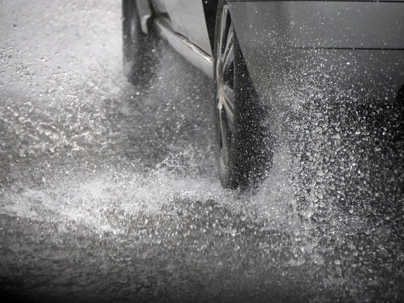
Here's what catches most drivers unprepared: 70% of weather-related accidents happen on wet pavement rather than during active precipitation. Roads remain dangerous even after rain stops. Hydroplaning occurs when water accumulates faster than your tires can disperse it, causing complete traction loss. With Florida receiving an average of 56 inches of rainfall annually, we face frequent conditions where tire contact with pavement disappears entirely.
Fog Brings Hidden Dangers
Florida ranks among the nation's top states for fatal crashes involving fog or smoke conditions. Between 2002 and 2009, 299 people died in Florida vehicle crashes related to these reduced visibility conditions. Fog concentrates heavily in specific counties including Duval, Orange, Osceola, Pinellas, Hillsborough, Polk, Lee, Escambia, Alachua, Leon, and Miami-Dade.
The most devastating example occurred in January 2012 when heavy fog and smoke caused a massive crash on I-75 south of Gainesville. Seven semi-trucks and 12 passenger cars were involved, killing 11 people and hospitalizing 18. Four years earlier, a similar fog-related incident on I-4 between Orlando and Tampa involved more than 70 vehicles, resulting in four deaths and 38 injuries.
Extreme Heat Breaks Down Vehicles and Drivers
Summer temperatures create collision risks through vehicle component failure and driver impairment. Research shows fatal crash rates increase approximately 9.5% when temperatures exceed 80°F compared to milder conditions.
Heat causes tire blowouts as air inside expands beyond safe pressure levels, particularly in underinflated or worn tires. Engine overheating, brake fade, and battery failures all spike during Florida's extended heat season.
Hurricanes and Tropical Storms Create Unexpected Hazards
Tropical systems produce indirect traffic fatalities that often go unrecognized. Traffic accidents account for 16% of all indirect hurricane deaths. More concerning, 75% of these indirect deaths occur during major hurricane landfalls, when communities face widespread power outages and road hazards.
Why Fort Myers Roads Turn Deadly When Weather Gets Bad
Fort Myers drivers face unique challenges that turn ordinary weather into serious crash risks. You need to understand exactly why these conditions become so dangerous - because knowing the facts could save your life.
Your Car Can Lose Control at Just 35 MPH
Your vehicle can lose road contact at speeds as low as 35 mph when just one-tenth of an inch of water covers the pavement. This catches most drivers completely off guard because we assume hydroplaning only happens at highway speeds. That assumption is wrong - and it's dangerous.
Cars traveling at 60 to 70 mph can hydroplane for 30 to 40 feet or more, leaving you unable to steer or brake during that entire distance. Think about that - you're essentially riding a 3,000-pound sled with no control whatsoever. Worn tires make this nightmare scenario even worse since they can't channel water away effectively.
Wet Roads Double Your Stopping Distance
Here's a sobering fact: driving on wet roads with tires at 4/32 inch tread depth increases stopping distance by up to 87 feet and reduces vehicle control by 33 percent. Picture this scenario - you're braking at 60 mph with worn tires, and you're still traveling at 40 mph when the car ahead with new tires has completely stopped.
Wet roads can double your normal stopping distance. That gap becomes critical when traffic suddenly slows ahead of you. The math is simple - longer stopping distances mean more crashes.
Fog Tricks Your Eyes and Slows Your Reactions
More than 38,700 vehicle crashes occur in fog each year, killing over 600 people and injuring more than 16,300. Fog doesn't just hide other cars - it plays tricks on your brain. You'll misjudge your own speed and struggle to determine if other vehicles are even moving.
When your reaction time gets impaired, you can't anticipate sudden traffic changes. That split-second delay between seeing danger and responding to it? That's where crashes happen.
Fort Myers Infrastructure Can't Handle the Water
Fort Myers drainage systems face serious capacity problems, with roads and properties at sea level particularly vulnerable to water accumulation. The roads simply weren't designed to handle the amount of water we get during heavy rains.
These infrastructure limitations create the standing water conditions where crashes multiply. Until we get better drainage, you're driving on roads that become crash zones every time it rains hard.
Protecting Yourself When Weather Turns Dangerous
Weather creates serious hazards for Fort Myers drivers, but the right defensive techniques can keep you safe. You have the power to reduce your crash risk when conditions deteriorate.
Slow Down and Give Yourself Space
Reduce your speed immediately when rain starts or roads look wet. Extend your following distance to at least four seconds, compared to the standard three-second gap in dry weather. This extra space gives you the reaction time you need when the car ahead hits their brakes suddenly. Remember, hydroplaning can happen at just 35 mph - much slower than most drivers realize.
Your Headlights Can Save Your Life
Turn on your low beam headlights the moment you see rain or fog. Never use high beams in these conditions - they scatter light off water droplets, creating a dangerous 'white wall' effect that actually makes visibility worse. Many states require headlights whenever your windshield wipers are running. Front fog lights help you see the road closer to your car, while rear fog lights make sure other drivers can see you.
Cruise Control Becomes Your Enemy
Turn off cruise control immediately on wet roads. When your car starts to skid or lose traction, cruise control will actually accelerate to maintain your set speed, making the skid much worse. On wet pavement, cruise control can trigger hydroplaning when you hit standing water. You need full manual control to respond instantly when road conditions change.
Flooded Roads Can Kill You
Never attempt to drive through flooded areas. Six inches of water can cause you to lose control or stall completely. Twelve inches will float many cars. Two feet of rushing water can sweep away trucks and SUVs. Even if the water looks shallow, the road underneath might have collapsed.
Emergency Supplies Save Lives
Keep these items in your car: jumper cables, flares or reflective triangles, blankets, first aid kit, water, non-perishable food, and a fully charged cell phone. If you get stranded during severe weather, these supplies could mean the difference between safety and disaster.
We understand that accidents happen even to careful drivers. If you've been injured in a weather-related crash, you need someone fighting for your rights.
What You Need to Do After a Weather-Related Accident
The steps you take immediately after a crash can make or break your ability to recover compensation for your injuries. We understand that being injured in an accident can have a major impact on your life, especially when weather conditions complicate the situation.
Document Everything About the Scene and Weather
Take photos of your vehicle damage, wet road surfaces, standing water, and how clearly you can see around the accident scene. Use your phone to record time-stamped videos showing rain intensity or fog thickness - this evidence becomes crucial when insurance companies try to downplay weather conditions. Police officers will note weather conditions in their reports, giving you official documentation to support your claim. Get contact information from witnesses who saw the conditions as they happened.
Know Your Rights Under Florida's Comparative Negligence Laws
Florida changed its negligence laws in March 2023 with House Bill 837. You can only recover damages if you are 50% or less at fault for the accident. If you're found 51% or more responsible, you cannot recover any compensation. Your settlement reduces by your percentage of fault up to that 50% limit.
How Insurance Companies Handle Weather-Related Claims
Insurance adjusters will scrutinize whether weather alone caused your crash or if they can blame your driving. They examine your speed, following distance, and how you controlled your vehicle to assign fault. Insurance companies often try to blame weather conditions entirely to avoid paying fair settlements.
When to Call Our Fort Myers Accident Attorneys
Don't get lost in all the phone calls and paperwork. If you have been injured in an accident and need a lawyer, call Pittman Law Firm, P.L. today for a free consultation. Contact us when your injuries are serious, when liability gets disputed, or when insurers deny your rightful claim. We work on a contingency fee basis, meaning there is no fee unless we win your case.
Conclusion
Weather-related accidents remain a serious threat for Fort Myers drivers, with rain and wet pavement being the primary culprits. Above all, remember that roads stay dangerous even after rain stops, and hydroplaning can occur at speeds as low as 35 mph. Slow down, increase your following distance, and never use cruise control on wet surfaces. If you're injured in a weather-related crash, document conditions thoroughly and contact an attorney when liability becomes disputed or injuries are severe.
FAQs
Q1. Which weather condition is responsible for the highest number of car accidents? Rain and wet road conditions cause the majority of weather-related crashes. Over 77 percent of weather-related accidents occur during rain or mist, and 70% happen on wet pavement. In Florida specifically, rain was a contributing factor in 211 fatal accidents and 1,019 injury-causing crashes in 2022 alone.
Q2. What are the main factors that lead to fatal car accidents in Florida? Driver behavior is the most common factor in fatal accidents throughout Florida. Speeding, distracted driving, and impaired driving consistently appear in crash reports as leading causes. However, weather conditions—particularly rain and wet roads—also contribute significantly to serious and fatal crashes in the state.
Q3. At what speed can hydroplaning occur on wet roads? Hydroplaning can happen at speeds as low as 35 mph when just one-tenth of an inch of water covers the pavement. At highway speeds of 60 to 70 mph, vehicles can hydroplane for 30 to 40 feet or more, during which drivers have no ability to steer or brake effectively.
Q4. How does fog contribute to traffic accidents in Florida? Fog causes over 38,700 vehicle crashes annually nationwide, with Florida ranking among the top states for fatal fog-related accidents. Between 2002 and 2009, 299 people died in Florida crashes involving fog or smoke conditions. Fog creates optical illusions that make drivers misjudge their speed and struggle to determine if other vehicles are moving.
Q5. What should you do immediately after a weather-related car accident? Document the scene thoroughly by photographing vehicle damage, wet road surfaces, standing water, and visibility conditions with time-stamped images. Gather witness contact information and obtain a police report that notes weather conditions. If you've sustained injuries or liability is disputed, contact an attorney to protect your legal rights under Florida's comparative negligence laws.
The information on this website is for general information purposes only. Nothing on this site should be taken as legal advice for any individual case or situation. This information is not intended to create, and receipt or viewing does not constitute an attorney-client relationship with Pittman Law Firm, P.L.