
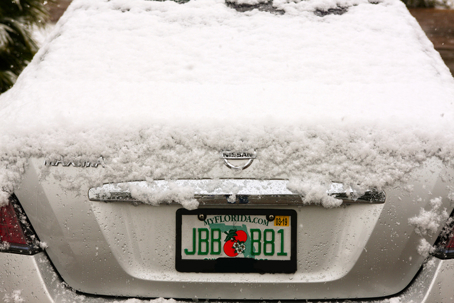
Snowbirds in Florida and the 40% Surge in Southwest Florida Traffic Accidents
What You Need to Know About Florida's Snowbird Season Dangers
Southwest Florida becomes significantly more dangerous during snowbird season, with traffic accidents surging by 40%. This dramatic increase puts every driver at risk, whether you're a year-round resident or seasonal visitor.
• March stands as the deadliest month with 36,280 crashes recorded in 2023, when snowbird populations peak across Florida.
• Drivers over 70 face higher crash death rates per 1,000 crashes compared to middle-aged drivers, creating serious age-related safety concerns.
• Unfamiliar roadways become death traps when snowbirds struggle with complex highway systems, rental vehicles, and GPS-dependent navigation.
• Your defensive driving matters most during peak season (October-April) - maintain greater following distances, avoid rush hours, and watch for uncertain driving behaviors.
• Education and infrastructure improvements save lives, with AARP courses helping 91% of participants earn insurance discounts while learning critical safety skills.
When 1.5 million seasonal residents combine with age-related driving challenges and unfamiliar roads, accidents become inevitable. Both snowbirds and Florida residents must change their driving habits during this high-risk period. The stakes are too high to ignore these dangers.
The numbers tell a disturbing story: snowbirds contribute to a staggering 40% surge in Southwest Florida traffic accidents during peak season. March emerges as the most dangerous month, with 36,280 crashes recorded in 2023 alone. During snowbird season (October through April), approximately 1.5 million Americans call Florida their "second home state", transforming our roadways into hazardous corridors.
Understanding who these seasonal residents are, when they arrive and depart, and how Canadian snowbirds factor into these statistics becomes critical for your safety. We'll examine the most dangerous areas including Naples and Fort Myers, and provide you with essential safety measures to protect yourself and your family during this high-risk period.
Understanding Snowbirds in Florida: Demographics and Economic Impact
What Are Snowbirds in Florida
Snowbirds escape the harsh northern winters by migrating south to Florida's warm climate. You'll spot them easily - their Canadian and northern U.S. license plates start showing up on Florida roads come October and stick around through April. The numbers tell a clear story: 92.8% are white, 66.7% are currently married, and most live in two-person households.
Don't picture just retirees anymore. Remote work has changed the game, allowing people in their 40s and early 50s to join this seasonal migration. The typical snowbird falls between 50 and 69 years old, but nearly a third are over age 70. This concentration of older drivers creates serious safety concerns during peak season.
Education levels run high among snowbirds - 63.7% hold college degrees and 71% are retired. Here's something that might surprise you: 29% actually work during their Florida stay, filling seasonal jobs created by the influx of their fellow snowbirds.
Canadian Snowbirds in Florida: Numbers and Statistics
Canadian snowbirds make up a massive chunk of Florida's winter crowd. An estimated 1 million Canadians spend their winters in Florida, some staying up to six months. They're serious about Florida real estate too - Canadians account for 18% of international home purchases in Florida, making Canada the top international buyer.
Those Canadian license plates start appearing in October and November, then disappear come April. Fort Myers and Cape Coral see particularly heavy Canadian traffic, especially from Ontario residents. Lee County alone hosted more than 215,000 Canadians in one year, who spent over $218 million.
The seasonal shift is dramatic. On any average January day, nearly 971,200 temporary residents soak up Florida's sun, compared to just 113,700 who tough it out through August.
When Do Snowbirds Leave Florida
Most snowbirds head back north between April and early May. Canadian snowbirds typically stay three to six months, following a predictable pattern: arrive in November, enjoy winter through March, then return home as spring arrives. Some take brief trips home for holidays before coming back to finish out the season.
Economic Contribution of Florida Snowbirds
The economic impact is staggering. Canadian visitors alone pump an estimated $6.5 billion annually into Florida's economy. The broader snowbird population supports over 1.6 million jobs statewide.
Their spending goes far beyond typical tourist activities. These seasonal residents pay real estate taxes, fill grocery stores, pack restaurants, and keep gas stations busy. Winter visitors contributed over $96.5 billion to Florida's economy in 2019. That's real money supporting real Florida families and businesses.
The 40% Traffic Accident Surge During Snowbird Season
Accident Statistics During Peak Snowbird Months
Florida roadways experience a 7% increase in crashes during winter months according to a University of South Florida study. March stands out as the most hazardous month, recording 36,280 crashes in 2023 alone. October and December also rank among the most dangerous driving periods, perfectly matching snowbird arrivals and departures.
The numbers tell a sobering story. State crash data documented 3,741 accident-related fatalities in 2021 and 3,434 in 2022. Drivers over 65 become involved in a disproportionate number of fatal crashes during these winter months. Even more telling: 34% of Floridians believe snowbird drivers pose a safety risk on roadways.
Southwest Florida Traffic Patterns and Hotspots
Southwest Florida recorded over 20,000 crashes in 2024 alone. Lee County experienced 14,455 crashes resulting in 8,830 injuries, while Collier County reported 6,254 crashes with 3,605 injuries. US-41, known as the Tamiami Trail, sees traffic surge during winter months when seasonal residents flood the region.
The Fort Myers-Cape Coral area ranks 13th nationwide for congestion, with drivers spending 48 extra hours annually in rush-hour traffic. January through April represents Fort Myers' peak accident period.
Naples and Fort Myers Regional Analysis
The intersection of US-41 and Estero Parkway witnessed 165 crashes over five years. Naples Police Department identified Golden Gate Parkway/Goodlette Road North as the highest-frequency crash location. Rear-end collisions account for approximately 60% of crashes along the Tamiami Trail corridor.
Lee County experiences 99 fatalities annually despite a 1.77% decrease in total crashes compared to previous years. Collier County recorded 61 fatalities in 2024.
Comparing Snowbird Season to Off-Season Accident Rates
Collier County's traffic data shows dramatic differences in crash rates between seasons. August stands as the safest month with 32,408 crashes compared to March's peak. June and July also see significant dips in accidents.
Why Snowbirds Create Higher Accident Risks on Our Roads
Multiple factors work together to make snowbird season particularly dangerous for everyone on Southwest Florida roadways. Age-related challenges, unfamiliarity with our local roads, and travel fatigue create a perfect storm for serious accidents.
Age-Related Driving Challenges Put Everyone at Risk
The numbers tell a sobering story. In 2022, almost 52 million licensed drivers ages 65 and older operated vehicles in the United States, representing a 77% increase since 2004. That year alone, about 9,100 older adults were killed in traffic crashes, with over 270,000 treated in emergency departments for crash injuries. Each day, 25 older adults die and over 740 sustain injuries in crashes.
Drivers aged 70+ have higher crash death rates per 1,000 crashes than middle-aged drivers. Age-related changes in vision, physical functioning, and the ability to reason and remember directly affect driving abilities. The statistics are stark: compared to individuals in their 40s, those between ages 65 and 69 are 1.29 times more likely to be involved in fatal car accidents, while those over 85 face 3.74 times higher risk.
Common driving errors among older adults include failure to yield right-of-way and inadequate surveillance. Drivers age 70 and older make inadequate surveillance errors or misjudge gaps between vehicles more frequently than drivers ages 35-54. Among passenger vehicle drivers involved in fatal crashes in 2023, multiple-vehicle crashes at intersections accounted for 39% of crashes for drivers 80 and older, compared with 21% for drivers ages 16-59.
Unfamiliarity with Florida Roads Creates Dangerous Situations
Tourist drivers create serious hazards when they don't know our local routes and traffic patterns. Roads split with little warning, exits come fast, and traffic rarely slows down to allow for second chances. Miss your turn? You might find yourself crossing multiple lanes of traffic in seconds.
Complex road layouts challenge drivers seeing them for the first time. Sudden merges, lane drops, and one-way streets become obstacles when you're unfamiliar with the area. Many tourists rely on rental cars while navigating Florida's highways for the first time. Florida's traffic rules might differ from those in other states or countries, causing dangerous confusion.
Rental Vehicle Confusion and GPS Distractions
Unfamiliarity with rental car controls has caused serious crashes. Foreign drivers not familiar with their vehicle's controls create dangerous situations for everyone on the road. Heavy reliance on GPS systems causes distractions when drivers adjust routes or check directions while driving.
GPS systems aren't perfect. They rely on satellite data and digital maps that can be wrong. Outdated map data sends drivers down closed roads, one-way streets, or dangerous terrain. GPS-related sudden lane changes near exits cause numerous accidents.
Slower Speeds and Hesitant Maneuvers Disrupt Traffic Flow
When drivers travel noticeably slower than traffic flow, they disrupt the natural rhythm of movement on the road. Slower vehicles force faster drivers to brake suddenly or change lanes abruptly, often causing rear-end crashes or side-swipe accidents.
Slow driving confuses other drivers, creating hesitation and risky maneuvers from surrounding vehicles. Speed variation within a traffic stream increases crash risk. Distracted drivers frequently create dangerous slow-speed situations on roadways.
Travel Fatigue Impairs Judgment and Reaction Time
Driver fatigue seriously affects your ability to drive safely. As many as one in five fatal crashes involve driver fatigue. The impairment is significant: after 17 consecutive hours awake, impairment equals having a blood alcohol content of .05, while 24 hours awake equals a BAC of .10.
Your crash risk increases dramatically with inadequate sleep. Crash likelihood appears approximately 30% greater after 6 or 7 hours of prior sleep compared to well-rested individuals. After one night of either 4 or 5 hours of sleep, crash likelihood approximately doubles. Sleepiness slows reaction time, decreases awareness, and impairs judgment.
If you have been injured in an accident and need experienced legal representation, call Pittman Law Firm, P.L. today for a free consultation.
How We Can Protect You and Your Family During Snowbird Season
The dangerous conditions created by snowbird season don't have to put you and your loved ones at risk. We understand that sharing Florida roads with unfamiliar drivers during peak season can feel overwhelming, but there are proven ways to stay safe. Multiple approaches work together to reduce accidents and protect everyone on our Southwest Florida roadways.
Educating Snowbird Drivers About Florida Roads
Educational campaigns help snowbirds understand Florida traffic laws, driving conditions, and road signs. Targeted enforcement increases police presence in areas with high snowbird populations, focusing on common violations such as speeding and distracted driving. Community Traffic Safety Teams bring together government agencies, law enforcement, and community organizations to analyze local traffic data and organize educational programs.
Making Our Roads Safer for Everyone
Clear and easy-to-understand signs and road markings reduce confusion and prevent accidents. The Collier Metropolitan Planning Organization crafts Safety Action Plans aimed at eliminating deaths and serious injuries on roadways. Infrastructure improvements include better signage, crosswalks, and traffic calming measures.
Programs That Help Older Drivers Stay Safe
Mature driver courses specifically target drivers 50 and older. The AARP Smart Driver course helps 91% of participants redeem certificates for insurance discounts. Florida law mandates that completion provides up to a 15% discount on auto insurance. AAA's Roadwise Driver course serves drivers 55 and older, teaching age-related changes and driving adjustments. Unfortunately, less than 20% of eligible seniors take advantage of these programs.
Protecting Yourself During Peak Season
You can take steps to protect yourself and your family when sharing roads with seasonal drivers. Increase your following distance and practice defensive driving during peak months. Stay alert for slower-moving vehicles and hesitant maneuvers common among unfamiliar drivers.
What Snowbirds Can Do to Drive Safely
Stay physically active to maintain reflexes needed for safe driving. Schedule regular vision and hearing tests. Avoid peak traffic hours and stay focused on the road. Ensure your vehicle receives proper maintenance. Discuss medication side effects with your doctor that might affect driving ability.
If you have been injured in an accident caused by a snowbird or any other driver, don't let the insurance companies take advantage of you. Call Pittman Law Firm, P.L. today for a free consultation - we're here to fight for your rights and get you the compensation you deserve.
Conclusion
Snowbird season creates undeniable risks on Florida roadways, particularly in Southwest Florida where accidents surge by 40%. Without a doubt, age-related challenges, unfamiliarity with local roads, and driver fatigue combine to produce dangerous conditions. Whether you're a year-round resident or seasonal visitor, practicing defensive driving during peak months protects everyone. Stay alert, maintain safe following distances, and avoid peak traffic hours. Your awareness of these risks can prevent accidents and save lives throughout snowbird season.
FAQs
Q1. How much money do snowbirds bring to Florida each year? Snowbirds make a substantial economic impact on Florida, contributing over $96.5 billion in 2019 alone and supporting more than 1.6 million jobs statewide. Canadian snowbirds specifically contribute an estimated $6.5 billion annually. Their spending extends across housing, real estate taxes, restaurants, retail shopping, and transportation throughout their winter stay.
Q2. What is Florida's population increase during snowbird season? Florida's population increases by approximately 5% during the winter months when snowbirds arrive. Nearly 971,200 temporary residents are present on an average January day, compared to only 113,700 in August. An estimated 1.5 million Americans report Florida as their "second home state," with about 1 million Canadians wintering in the state.
Q3. Which Florida city experiences the highest number of traffic accidents? Miami and Miami-Dade County consistently rank at the top for traffic crashes, injuries, and fatalities in Florida. However, during snowbird season, Southwest Florida sees a dramatic 40% surge in accidents, with March being the most dangerous month recording 36,280 crashes in 2023. Lee County experienced 14,455 crashes in 2024, while Collier County reported 6,254 crashes.
Q4. What penalties do at-fault drivers face after multiple accidents in Florida? Drivers who are at fault in three crashes within a three-year period must complete 12 hours of an approved Florida Highway Safety and Motor Vehicles Advanced Driver Improvement course. Additionally, they are required to complete four hours of behind-the-wheel training from a state-approved, Florida licensed commercial driving school.
Q5. Why do older drivers have higher accident rates during snowbird season? Age-related changes in vision, physical functioning, and cognitive abilities affect driving performance. Drivers aged 65-69 are 1.29 times more likely to be involved in fatal accidents compared to those in their 40s, while drivers over 85 face 3.74 times higher risk. Common errors include failure to yield right-of-way, inadequate surveillance, and misjudging gaps between vehicles, particularly at intersections.
The information on this website is for general information purposes only. Nothing on this site should be taken as legal advice for any individual case or situation. This information is not intended to create, and receipt or viewing does not constitute an attorney-client relationship with Pittman Law Firm, P.L.