
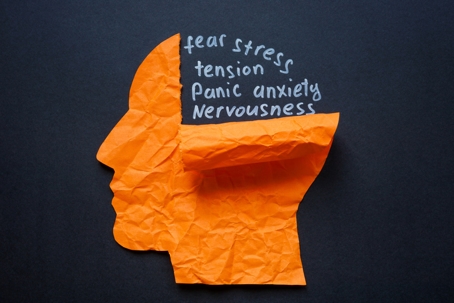
Proven Anxiety Management Techniques for Fort Myers Car Accident Survivors
Nearly 39% of motor vehicle accident survivors experience significant psychological distress, making effective anxiety management critical for your recovery. We understand that the traumatic impact of a car accident extends far beyond physical injuries, often manifesting as post-traumatic stress disorder (PTSD) that can persist for months or even years after the crash.
You may find yourself struggling with recurring nightmares, flashbacks, difficulty sleeping, or complete avoidance of driving. These responses are normal reactions to trauma, and anxiety management strategies can help restore your sense of control and wellbeing. The good news is that several proven techniques exist specifically for accident survivors like you.
Florida courts have acknowledged the legitimacy of psychological injuries, which means you can seek both therapeutic and legal support for your recovery journey. At Pittman Law Firm, we've spent over 30 years helping accident victims understand their rights - including compensation for mental health treatment costs.
This guide explores practical approaches to help Fort Myers residents overcome accident-related anxiety and reclaim their lives. Don't let anxiety from your accident control your future when effective help is available.
Understanding Anxiety After a Car Accident
Physical and psychological impacts from a car accident don't heal at the same rate. Visible wounds may disappear within weeks, but trauma responses can persist long after your body appears recovered. Understanding this process helps you recognize and address anxiety symptoms before they become overwhelming.
How trauma affects the brain and body
Your nervous system doesn't ask permission before it reacts to danger. During a car crash, stress hormones flood your body instantly - triggering the "fight, flight, or freeze" response. This biological reaction serves a protective purpose, but it can leave lasting imprints on both brain and body.
Many survivors find their brain stays on high alert even when they're safe at home. This state of hyperarousal (or hypervigilance) represents your body's attempt to stay prepared for future threats. You might notice increased sensitivity to loud noises, sudden movements, or anything that reminds you of the accident.
The physical impact can directly affect how your brain functions. Even with skull protection, your brain may suffer from jolting forces during a collision. Studies show these injuries range from mild concussions to severe traumatic brain injuries (TBIs), potentially causing both cognitive and emotional changes.
Common anxiety symptoms in accident survivors
Anxiety after a car accident shows up in ways you might not expect. Research reveals that 55% of crash survivors experience moderate to severe anxiety levels before they even leave the hospital.
Physical symptoms strike first:
- Feeling faint or dizzy (affects 38.8% of survivors)
- Wobbliness in legs (35.5%)
- Sweating not related to heat (30.7%)
- Racing heart and shortness of breath
Psychological symptoms follow close behind. Many survivors report being unable to relax (32.3%), feeling scared without obvious reason (30.7%), and constantly fearing something terrible will happen (24.2%). Sleep becomes elusive, concentration suffers, and intrusive thoughts about the accident replay without warning.
Why anxiety may not appear immediately
Anxiety doesn't always follow a predictable timeline. Some survivors experience what professionals call delayed-onset PTSD, where symptoms surface at least six months after the traumatic event.
Several factors explain this delay. Initially, you may have effective coping strategies or strong support systems that temporarily mask symptoms. Over time, however, these protective mechanisms can weaken - especially when additional stressors or triggering events remind you of the accident.
This delay confuses many survivors who can't understand why they feel anxious months after their accident. Professional assessment becomes particularly valuable in these cases, as early intervention typically leads to more effective treatment outcomes.
Getting Diagnosed and Seeking Help in Fort Myers
Recognizing when and how to seek professional help marks a crucial step for car accident survivors struggling with anxiety. We've seen thousands of clients over our 30 years of practice, and addressing these symptoms promptly through proper diagnosis and treatment can significantly improve your recovery journey.
When to see a mental health professional
Don't wait if you notice persistent symptoms lasting more than a few weeks after your accident - it's time to consult a professional. The statistics tell the story: motor vehicle accidents are the leading cause of mental trauma for men and the second leading cause for women.
Seek help immediately if you experience:
- Uncontrollable intrusive thoughts about the accident
- Flashbacks or nightmares
- Avoidance of driving or riding in cars
- Disconnection from family or friends
- Difficulty concentrating or sleeping
Here's what we've learned from working with accident victims: early intervention is vital. Studies show 34% of serious crash victims have PTSD one month after an accident, with 25% still experiencing symptoms three months later. Waiting too long may allow symptoms to worsen or become chronic - something we never want to see happen to our clients.
What to expect during a psychological evaluation
A thorough assessment includes several components to evaluate your mental health status. Licensed psychologists conduct these evaluations through:
- Clinical interviews about your accident experience, current symptoms, and mental health history
- Standardized tests like the Clinician-Administered PTSD Scale (CAPS) to assess the 17 symptoms of PTSD
- Behavioral observations in different settings
- Collateral information from family members or friends
The evaluation process usually requires one to two sessions, with report preparation taking four to six weeks. These assessments provide objective documentation that can support both your treatment plan and any legal claims you may pursue.
Local resources for anxiety disorder management
Fort Myers offers several specialized resources for anxiety treatment that we regularly recommend to our clients:
Park Royal Hospital provides extensive anxiety treatment with psychiatrists and licensed clinical social workers who develop personalized therapy programs. Services include medication management, group therapy, and family sessions.
Lee Health's behavioral health services connect you with mental health experts who help identify anxiety causes while providing compassionate treatment. For immediate crisis support, the 988 Suicide & Crisis Lifeline offers 24/7 access to trained counselors.
NAMI Southwest Florida can also help connect you with local mental health service providers. Many facilities accept referrals from physicians, social workers, or you can refer yourself directly.
Remember, seeking help isn't a sign of weakness - it's a smart step toward getting your life back on track.
Proven Anxiety Management Techniques for Survivors
You don't have to face accident-related anxiety alone. Recovering from trauma requires a multi-faceted approach tailored to your unique needs. Many Fort Myers survivors find relief through professional therapies combined with self-help strategies that you can start using today.
Cognitive Behavioral Therapy (CBT)
CBT stands as one of the most effective treatments for post-accident anxiety, focusing on the relationship among thoughts, feelings, and behaviors. This therapy helps you identify distorted thinking patterns and replace them with healthier perspectives.
Research demonstrates that short, individual-format CBT treatments significantly reduce symptoms of motor vehicle accident-related PTSD, with many patients no longer meeting PTSD criteria after treatment. Your therapist will work with you on gradual exposure to trauma memories, challenging negative beliefs about the accident, and rebuilding activities you may have avoided since the crash.
Eye Movement Desensitization and Reprocessing (EMDR)
EMDR therapy has proven remarkably successful, with studies showing 77-90% of PTSD patients no longer meet diagnostic criteria after treatment. The process is straightforward: you focus on traumatic memories while following your therapist's finger movements across your visual field.
This bilateral stimulation helps process emotionally charged memories, reducing their negative impact. EMDR effectively targets the neural networks altered by PTSD, treating conditioned fear responses resulting from your accident.
Mindfulness and Breathing Exercises
Sometimes the simplest tools prove most powerful. Mindfulness practices offer practical ways to manage moment-to-moment anxiety. Before driving, notice tension in areas like your grip on the steering wheel—this awareness provides valuable feedback about your mental state.
Regular meditation before driving has shown to reduce stress and anxiety by calming both mind and body. You can start with just five minutes of deep breathing exercises daily.
Anxiety Management Apps
Technology can support your recovery journey. PTSD Coach offers coping strategies based in cognitive behavioral therapy along with symptom tracking tools. Bounce Back Now helps monitor symptoms and provides CBT-based interventions for trauma survivors, with studies confirming moderate reductions in depression, sleep difficulties, and PTSD symptoms.
Many apps include guided relaxation exercises, educational resources, and crisis support links you can access anytime.
Support Groups and Peer Counseling
Connecting with fellow survivors offers unique benefits no professional can provide. Lee Health in Fort Myers facilitates support groups specifically designed for trauma survivors, including those who've experienced motor vehicle crashes.
These meetings provide a safe environment to share experiences and find understanding among peers. Peer mentors—survivors themselves—offer encouragement and guidance based on firsthand experience.
Natural Anxiety Management Strategies
Beyond therapy, several natural approaches complement professional treatment. Regular physical exercise triggers endorphin release, helping alleviate anxiety symptoms. Some find relief through herbal remedies like lavender, chamomile, and passionflower, though research remains limited.
Remember that natural strategies work best alongside professional guidance—the Mayo Clinic recommends discussing any herbal supplement with your doctor before trying it.
Legal and Financial Support for Mental Health Recovery
Don't let insurance companies shortchange your mental health recovery. At Pittman Law Firm, we know exactly how to document and fight for the anxiety treatment compensation you deserve after a car accident.
How to document anxiety for insurance claims
Building a strong claim starts with proper evidence. Insurance companies will challenge every aspect of your mental health claim, but we help our clients build cases that stand up to scrutiny.
You need medical records from licensed mental health professionals who can diagnose your condition. We also recommend keeping a detailed personal journal documenting your daily anxiety symptoms - this creates powerful evidence that insurance companies can't dismiss. Family members who have witnessed your behavioral changes since the accident should provide written statements.
We guide our clients through every step of this documentation process because we know what insurance companies look for.
Understanding Florida's laws on emotional injury
Florida does recognize mental health injuries in personal injury claims, but there are specific rules you need to understand. Florida's "impact rule" generally requires showing physical injury alongside your emotional trauma. However, Florida Statutes §627.737 allows victims to recover compensation for mental anguish when injuries meet certain thresholds.
These legal requirements can be confusing, which is why having experienced representation matters so much.
Working with a Fort Myers personal injury attorney
We treat every case like we were handling it for a family member. A skilled attorney doesn't just file paperwork - we gather essential evidence linking your anxiety directly to the accident. Insurance companies routinely challenge emotional trauma claims, but we know exactly how to counter their tactics.
If you have been injured in an accident and need an attorney, call Pittman Law Firm, P.L. today for a free consultation.
What expenses can be included in a claim
Your mental health recovery shouldn't drain your family's finances. We fight to recover:
- Therapy session costs and psychiatric evaluations
- All medication expenses related to your anxiety treatment
- Lost wages if anxiety has prevented you from working
- Pain and suffering damages for the diminished quality of life caused by accident-related anxiety
We work on a contingency fee basis, meaning there is no fee unless we win your case. Your focus should be on healing, not worrying about legal bills.
Take Action for Your Recovery Today
Recovering from anxiety after a car accident requires both time and the right support. You've learned how trauma affects your mind and body, and more importantly, that help is available when you need it most.
Don't wait for anxiety symptoms to resolve on their own. Fort Myers offers excellent resources like Park Royal Hospital and Lee Health for professional evaluation and treatment. The sooner you seek help, the better your chances of full recovery.
Evidence-based treatments work. Cognitive Behavioral Therapy and EMDR therapy have helped countless accident survivors regain control of their lives. Support groups connect you with others who truly understand your experience, while mindfulness techniques give you practical tools for managing daily stress.
Your legal rights matter too. Florida law recognizes psychological injuries from accidents, which means you deserve compensation for your mental health treatment costs. We've spent over 30 years helping Fort Myers accident victims understand their rights and secure the compensation they deserve.
The road to recovery takes courage, but you don't have to walk it alone. With professional treatment, proven anxiety management techniques, and proper legal representation, you can overcome accident-related anxiety and reclaim your peace of mind.
If you've been injured in an accident and are struggling with anxiety, call Pittman Law Firm today for a free consultation. We understand what you're going through, and we're ready to fight for the support you need to heal.
Key Takeaways
Car accident survivors in Fort Myers have access to proven anxiety management techniques and legal protections that can significantly improve their recovery journey and quality of life.
• Seek professional help early - 39% of accident survivors experience psychological distress, and early intervention within weeks leads to better treatment outcomes than waiting months.
• Combine multiple treatment approaches - CBT and EMDR therapy show 77-90% success rates, while mindfulness, support groups, and apps provide additional daily coping tools.
• Document everything for legal claims - Florida law recognizes psychological injuries; maintain detailed journals, medical records, and witness statements to secure compensation for therapy costs.
• Anxiety symptoms can appear months later - Don't dismiss delayed-onset anxiety as unrelated to your accident; delayed PTSD is common and treatable with proper professional support.
• Fort Myers offers comprehensive local resources - Park Royal Hospital, Lee Health, and NAMI Southwest Florida provide specialized anxiety treatment programs specifically for trauma survivors.
Remember that recovery isn't linear, but with the right combination of professional therapy, personal coping strategies, and legal advocacy, you can overcome accident-related anxiety and rebuild your confidence behind the wheel.
FAQs
Q1. How can I manage anxiety after experiencing a car accident in Fort Myers? There are several effective strategies to manage post-accident anxiety. Seek professional help from mental health experts, consider therapies like Cognitive Behavioral Therapy (CBT) or Eye Movement Desensitization and Reprocessing (EMDR), practice mindfulness and breathing exercises, join support groups, and use anxiety management apps. Remember, early intervention often leads to better outcomes.
Q2. Is it normal to develop anxiety symptoms weeks or months after a car accident? Yes, it's quite common for anxiety symptoms to appear weeks or even months after a car accident. This is known as delayed-onset PTSD. If you notice persistent symptoms like intrusive thoughts, flashbacks, or avoidance behaviors, even long after the accident, it's important to seek professional help.
Q3. What types of therapy are most effective for car accident-related anxiety? Cognitive Behavioral Therapy (CBT) and Eye Movement Desensitization and Reprocessing (EMDR) have shown high success rates in treating accident-related anxiety. CBT helps you identify and change negative thought patterns, while EMDR assists in processing traumatic memories. Both therapies have been proven effective in reducing PTSD symptoms in accident survivors.
Q4. Can I include mental health treatment costs in my insurance claim after a car accident? Yes, you can typically include mental health treatment costs in your insurance claim. This may cover expenses for therapy sessions, psychiatric evaluations, and medication. It's important to document your symptoms and treatment thoroughly. Working with a personal injury attorney can help ensure you receive proper compensation for your mental health recovery.
Q5. Are there local resources in Fort Myers for managing anxiety after a car accident? Fort Myers offers several resources for anxiety management after car accidents. Park Royal Hospital provides comprehensive anxiety treatment programs, Lee Health offers behavioral health services, and NAMI Southwest Florida can connect you with local mental health providers. Additionally, support groups specifically for trauma survivors are available through various local organizations.
The information on this website is for general information purposes only. Nothing on this site should be taken as legal advice for any individual case or situation. This information is not intended to create, and receipt or viewing does not constitute an attorney-client relationship with Pittman Law Firm, P.L.