
Gig Work Car Accidents in Fort Myers: Who Really Pays for Your Injuries?
Nearly 36% of U.S. workers are now part of the gig economy, with this number continuing to grow. When you're injured during deliveries or rideshares, figuring out who pays for your medical bills becomes surprisingly complicated.
Florida roads present serious dangers for gig workers. In 2024 alone, the state reported 339,038 car accidents, with nearly 300 fatalities attributed to distracted driving. These aren't just numbers - they represent real people facing real financial hardship after accidents.
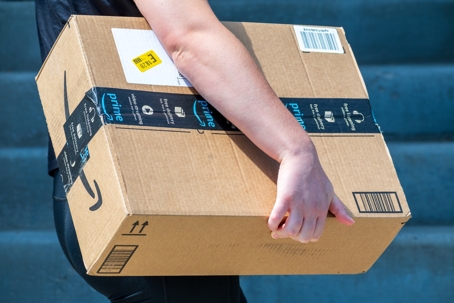
The holiday rush makes these risks even worse. Amazon delivers billions of packages annually, with volumes exploding between Black Friday and New Year's Day. This pressure creates dangerous conditions. Amazon's delivery drivers experienced nearly one injury per five full-time workers in 2021, representing an 18.3 injury rate per 100 workers.
Whether you're a delivery driver hurt on the job or someone injured in an accident with a gig worker, understanding who's responsible for your damages is crucial. Some platforms claim to offer protection - DoorDash provides $1 million in liability during deliveries, and Uber Eats offers up to $50,000 in bodily injury per person when drivers are available. But these policies come with serious limitations and dangerous gaps.
Don't get stuck paying for someone else's negligence. We'll examine who really bears financial responsibility when gig work accidents occur in Fort Myers, helping you understand the complex intersection of personal injury law and the growing gig economy.
Understanding Gig Work and Its Legal Complexity
Gig work represents a fundamental shift in employment - temporary, freelance, or contract-based jobs typically arranged through digital platforms. Instead of traditional employment relationships, gig workers enter into formal agreements with on-demand companies to provide services to the company's clients. This labor model offers flexibility but comes with significant trade-offs that most workers don't fully understand until they're injured.
What is gig work and how it operates in Fort Myers
Fort Myers has experienced a notable surge in gig economy participation, following Florida's broader trend as a destination for independent workers. Nearby Orlando and Miami saw a remarkable 32% growth in independent professionals between 2019 and 2024. Locally, platforms like Instawork connect workers with flexible opportunities across Fort Myers, Naples, and Cape Coral for on-demand, seasonal, and temp-to-hire positions.
Here's what makes gig work different from traditional employment:
- No long-term employer-employee relationship exists
- Workers manage their own schedules
- Personal equipment is required (your car, your phone, your gas)
- Payment comes per task rather than hourly wages
Common gig work platforms and apps in Florida
Throughout Florida, several major platforms dominate the gig landscape. Amazon Flex offers delivery opportunities paying between $18-$30 hourly. Rideshare services like Uber and Lyft provide average hourly earnings of $23.33 and $21.51 respectively. Food delivery platforms including DoorDash ($16.61/hour) and Grubhub ($18.12/hour) have also gained significant traction.
Beyond transportation and delivery, platforms like TaskRabbit facilitate various service-based gigs ranging from $17-$85 hourly. Job-finding services such as Wonolo and Instawork specifically target the Fort Myers area, connecting workers with opportunities across retail, logistics, and manufacturing sectors.
Why gig workers face unique legal challenges
The primary legal complexity for gig workers stems from employment classification. Most gig platforms classify workers as independent contractors rather than employees. This classification isn't accidental - it's deliberate.
When you're classified as an independent contractor, you lose access to critical protections:
- Minimum wage guarantees
- Overtime pay
- Workers' compensation coverage
- Unemployment benefits
- Anti-discrimination safeguards
This classification remains highly contested. Several states and major cities have passed laws aimed at reclassifying gig workers as employees, believing app-based businesses misclassify workers to avoid financial responsibilities. The financial impact is real - independent contractors must pay both employer and employee portions of Social Security and Medicare taxes, totaling 15.3%.
For those injured during gig work in Fort Myers, this classification directly impacts your ability to recover compensation.You're facing a legal maze that few workers are prepared to navigate alone.
Who Can Be Held Liable in a Gig Work Accident?
Determining liability in gig work accidents often means untangling complex relationships between multiple parties. Unlike traditional employment scenarios, responsibility isn't always clear-cut. You deserve to know who's actually responsible for your medical bills and lost income.
The gig worker: personal responsibility and insurance gaps
Gig workers bear primary responsibility for operating safely as independent contractors. Yet they face serious insurance challenges that leave them vulnerable when accidents happen. Personal auto policies typically exclude coverage for commercial activities, creating dangerous gaps in protection. Many drivers don't tell their insurers about their delivery work, risking complete claim denials if accidents occur.
This leaves workers exposed in single-vehicle accidents, slips while getting in and out of vehicles, or medical emergencies that don't involve third parties. We understand how frustrating this can be - you're working hard to make a living, only to discover your insurance won't protect you when you need it most.
The platform: Amazon Flex, Uber, and others
Gig platforms maintain tiered insurance coverage that changes based on the worker's status. Uber provides different protection levels depending on whether the driver is offline, waiting for requests ($50,000 per person/$100,000 per accident), or actively on a trip ($1 million). Amazon Flex offers $1 million in auto liability coverage during active deliveries. DoorDash primarily covers damages caused to others, not necessarily the driver's own injuries.
Here's what these companies don't want you to know: they classify workers as independent contractors primarily to limit their own liability exposure. Platform insurance typically kicks in only after the driver's personal coverage is exhausted. This creates a system designed to protect the company's bottom line, not your financial well-being.
Third parties: other drivers, municipalities, and property owners
Beyond the worker-platform relationship, various third parties may share liability:
- Other drivers whose negligence caused accidents
- Property owners responsible for dangerous conditions (wet floors, uneven surfaces, poor lighting)
- Municipalities accountable for poorly maintained roads
- Manufacturers of defective vehicle parts
- Pedestrians who create hazards by crossing unsafely
This multi-player structure creates overlapping liability layers that require careful investigation after accidents. Determining which insurance policies apply depends on the specific circumstances of each incident. You shouldn't have to figure this out alone while dealing with injuries and medical bills.
How Insurance Works in Gig Work Accidents
Insurance companies often blindside gig workers after accidents happen. You need to understand these coverage mechanisms before you get hurt, not after you're sitting in a hospital bed wondering who will pay your bills.
Personal auto insurance vs. commercial coverage
Here's the trap most gig workers fall into: your personal auto insurance won't cover you during delivery or rideshare work. Standard personal auto policies explicitly reject coverage for business activities like deliveries or ridesharing. This creates a dangerous gap since most drivers use personal vehicles for commercial purposes.
Adding rideshare coverage to existing policies typically increases rates by approximately 15%, yet many drivers remain unaware this endorsement is necessary. Without proper coverage, you risk complete claim denial if accidents occur during gig activities. We've seen too many clients discover this the hard way.
Amazon Flex and Uber's contingent liability policies
Don't assume the platforms have you covered. Platform-provided insurance operates on a contingent basis with strict limitations that work against you. Amazon Flex offers $1 million in liability coverage, plus $50,000 for vehicle damage (with a $1,000 deductible) - however, this applies only during active deliveries.
Uber similarly provides tiered protection: $50,000 per person/$100,000 per accident when available but not on trips, increasing to $1 million during active rides. Here's the catch: both require drivers to maintain valid personal insurance as a prerequisite for coverage. If your personal policy excludes gig work, you could be left with nothing.
When insurance companies deny claims
Insurance companies routinely reject gig-related claims based on "business use" exclusions. We've handled cases where drivers had $3,000 accident claims denied entirely because insurers discovered they worked as couriers. Beyond denial, insurers may cancel policies altogether upon discovering undisclosed gig activities.
Documentation proving you weren't "on the clock" becomes crucial for accessing personal coverage after accidents. But who's going to fight for you when the insurance company starts playing games with your claim?
Legal Steps to Take After a Gig Work Accident
The steps you take right after a gig work accident can determine whether you receive fair compensation or get stuck with medical bills that aren't your responsibility. We understand that being injured while working can turn your world upside down, and knowing what to do next isn't always clear.
Documenting the accident and injuries
Your evidence becomes your lifeline in these cases. Start collecting these crucial pieces right away:
- Photos of injuries, accident scene, and any equipment involved
- Detailed medical records including treatments and bills
- Communications with the gig platform or insurance companies
- Witness statements and contact information
Get medical attention immediately, and make sure you tell your doctor specifically that the injury happened while you were working. Keep a daily journal of your symptoms and how they affect your life - this documentation can strengthen your case significantly.
Determining employment classification
Here's where things get complicated for injured gig workers. Most platforms classify workers as independent contractors, which directly affects your ability to access workers' compensation benefits. Florida looks at several factors to determine your classification: whether you can work for multiple employers, your ability to accept or reject assignments, and how much control you have over your schedule.
This classification isn't just paperwork - it determines what benefits you can receive and from whom.
Why hiring a personal injury attorney is essential
These cases involve legal complexities that most people aren't equipped to handle alone. An attorney who understands gig economy issues can help you fight classification disputes, identify every possible source of compensation, and handle the insurance company negotiations that often determine your financial future.
If you have been injured in an accident and need a lawyer, call Pittman Law Firm, P.L. today for a free consultation. We understand the evolving laws and practices that might allow independent contractors to receive coverage for their losses.
How compensation is calculated in Florida
Your potential compensation depends entirely on your employment classification and injury severity. Workers' compensation benefits typically pay 75% of average weekly temporary total benefits. If you have permanent impairment, benefit duration ranges from 2 weeks per percentage point for 1-10% impairment up to 6 weeks per percentage point for 21%+ impairment.
Don't let the insurance companies or platforms decide your future without a fight.
Don't Face This Fight Alone
The gig economy continues to expand across Fort Myers and beyond, but the legal protections haven't kept pace. Throughout this guide, we've uncovered the complex web of liability that surrounds gig work injuries - and the significant gaps in protection that leave both workers and accident victims vulnerable.
Employment classification remains the biggest hurdle. Most platforms deliberately classify workers as independent contractors to limit their own liability while shifting financial risk to you. Meanwhile, insurance coverage creates another maze of challenges, with personal policies excluding commercial activities and platform insurance offering limited protection with strict conditions.
But you have options after a gig work accident. Thorough documentation, prompt medical attention, and experienced legal guidance can make all the difference in securing fair compensation. We understand the challenges you're facing, and our team is ready to fight for you.
The gig economy offers flexibility and opportunity for thousands of Fort Myers residents. However, it comes with serious risks that require careful navigation. Before taking on gig work, review your insurance policies carefully and consider adding rideshare or delivery endorsements.
Don't get lost in the insurance company's paperwork and phone calls. At Pittman Law Firm, P.L., you're more than just another case number. We treat every gig work accident case like we were handling it for a family member, providing the personalized attention and dedicated advocacy you deserve.
We work on a contingency fee basis, meaning there is no fee unless we win your case. Contact us today for a free consultation, and let our family take care of yours when you need it most.
The future may bring better protection for gig workers, but until then, you don't have to face these complex liability issues alone. Trust us to be prepared and fight for your right to receive full compensation.
Key Takeaways
Understanding liability in gig work accidents is crucial as the gig economy grows, with nearly 36% of U.S. workers now participating and Florida reporting over 339,000 car accidents in 2024 alone.
• Employment classification determines compensation access - Most platforms classify workers as independent contractors, limiting liability and blocking workers' compensation benefits.
• Insurance gaps create dangerous vulnerabilities - Personal auto policies exclude commercial activities while platform coverage only applies during active work with strict conditions.
• Multiple parties may share liability responsibility - Beyond the worker and platform, third parties like other drivers, property owners, and municipalities can be held accountable.
• Immediate documentation and legal help are essential - Comprehensive evidence collection and attorney guidance significantly improve chances of fair compensation in complex gig economy cases.
• Platform insurance offers limited protection with conditions - Companies like Uber provide tiered coverage ($50K-$1M) but require valid personal insurance as prerequisite.
The intersection of gig work and personal injury law creates a complex legal landscape where professional guidance becomes essential for protecting your financial interests after an accident.
FAQs
Q1. How does insurance coverage work for gig workers in Fort Myers? Gig workers often face insurance gaps. Personal auto policies typically exclude commercial activities, while platform-provided insurance offers limited protection with specific conditions. It's crucial for gig workers to review their policies and consider adding rideshare or delivery endorsements for better protection.
Q2. Who can be held liable in a gig work accident in Fort Myers? Liability in gig work accidents can involve multiple parties. This may include the gig worker, the platform (e.g., Amazon Flex, Uber), other drivers, property owners, municipalities responsible for road maintenance, and even manufacturers of defective vehicle parts.
Q3. What steps should I take immediately after a gig work accident in Fort Myers? After a gig work accident, it's essential to document everything thoroughly. Take photos of injuries and the accident scene, collect witness information, seek prompt medical attention, and maintain detailed records of all treatments and communications related to the incident.
Q4. How does employment classification affect compensation for gig work injuries? Employment classification is crucial in determining compensation access. Most gig platforms classify workers as independent contractors, which can limit access to workers' compensation benefits and affect the ability to recover damages. This classification is often a key factor in legal disputes following accidents.
Q5. Is hiring a personal injury attorney necessary for gig work accident cases? Given the complexities of gig work accidents, hiring a personal injury attorney is highly recommended. An experienced lawyer can help navigate classification disputes, identify all potential compensation sources, handle insurance negotiations, and ensure your rights are protected throughout the legal process.
The information on this website is for general information purposes only. Nothing on this site should be taken as legal advice for any individual case or situation. This information is not intended to create, and receipt or viewing does not constitute an attorney-client relationship with Pittman Law Firm, P.L.