
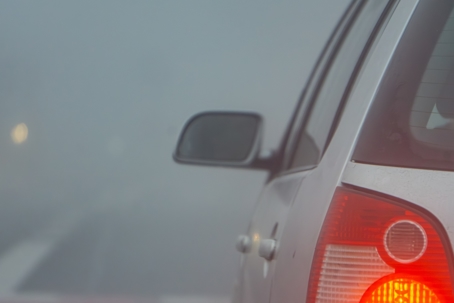
Fort Myers Weather Alert: Why Fog Makes Driving More Dangerous Than Rain
Driving in fog creates dangers that many Fort Myers residents take too lightly. Rain led to 211 fatal auto accidents and 1,019 injury-causing crashes throughout Florida in 2022. Fog proves even deadlier on Lee County roads. People often overlook fog compared to rainstorms, yet it limits visibility, requires longer stopping distances, and disorients drivers. These factors can turn deadly at high speeds.
Car accidents in Lee County show a concerning rise in the last five years. The county recorded 6,928 traffic crashes in 2023, with 99 deaths and 5,663 injuries. Weather conditions and poor visibility stand among the main causes of these accidents. Southwest Florida's sudden fog patches quickly make roads slick and dangerous. Fog differs from rain in fundamental ways. Drivers can usually adapt to rain gradually, but fog appears without warning and leaves just seconds to react.
This piece will get into why fog creates more hazards than rain in Fort Myers. You'll learn how it reshapes driving conditions and what safety steps you need to protect yourself and your passengers.
Why Fog Is a Bigger Threat Than Rain in Fort Myers
Drivers in Fort Myers face more dangers from fog than rain. Federal Highway Administration data shows fog causes over 38,700 crashes foggy conditions each year nationwide. These crashes lead to more than 16,300 injuries. The death toll from fog-related accidents reaches about 600 lives yearly in the United States.
Sudden visibility loss vs. gradual rain buildup
Rain usually builds up slowly and lets you adjust your driving. Fog, however, can appear without warning and cut your visibility drastically. Dense fog cuts sight distance to a quarter mile or less, which disorients drivers. The situation becomes worse with "super fog" – a combination of condensation and smoke. This dangerous mix can limit your view to just a few feet, making it almost impossible to spot oncoming vehicles. Drivers have little time to react in these conditions, so the risk of accidents goes up.
Local fog patterns and coastal geography
Fort Myers' unique coastal geography creates perfect conditions for fog. Dense fog patches form overnight and stick around for hours after sunrise. The right weather patterns can bring foggy mornings throughout the week in Fort Myers. Coastal areas get hit with thick fog banks – like during one New Year's Eve when heavy fog blanketed Fort Myers Beach and made seeing almost impossible. This coastal fog often catches drivers by surprise, especially in cooler weather.
Tourist traffic and unfamiliar drivers
Fort Myers sees more fog-related risks due to tourists and drivers who don't know the area. Winter break and peak seasons bring many more visitors who aren't familiar with local fog patterns. Most tourists come from places where coastal fog isn't common. One visitor from Illinois described a foggy day: "We were just talking about how strange the beach feels right now. Kind of apocalyptic. And, can't really see much further than a few feet away". This lack of experience often results in poor choices on foggy roads and raises crash risks.
How Fog Alters Driving Conditions
The way fog behaves creates unique challenges that change how you need to drive. Tiny water droplets hang in the air close to the ground, which means you're trying to drive through what is a cloud.
Reduced visibility and reaction time
Fog cuts down visibility so much that sometimes you can only see a few feet ahead. You might not spot dangers like stopped cars, people walking, or objects on the road until you're too close. Your reaction time takes a big hit because of this poor visibility. Less visibility means less time to react to sudden obstacles or traffic changes. In thick fog, those extra seconds could be the difference between avoiding a crash or not.
Increased stopping distance
Poor visibility means you need much more space to stop safely. The Federal Highway Administration found 28,533 fog-related crashes over ten years. Most people don't realize they need to slow down enough to stop within what they can actually see ahead. Here's a simple rule: if visibility is 100 feet, speeds above 30-35 mph mean you probably can't stop in time if something's in your path.
Disorientation and lane drifting
Fog messes with your perception. You might find it hard to stay in your lane because you can't see the lines and edges of the road clearly. Drivers often drift between lanes without knowing it. Studies show that people have trouble staying in their lanes because they can't see well in fog. The fog can play tricks on your eyes—making still objects look like they're moving, or moving things appear still.
Low beams are your best friend in fog
Many drivers make a big mistake by using high beams in fog. High beams point light up, which bounces off water droplets right back at you. This creates glare and makes it harder to see. You should:
- Use low beams that point light down toward the road
- Turn on fog lights if you have them
- Use hazard lights in very thick fog where you can barely see
These lighting tips help you see better in fog, unlike high beams that just make things worse.
Most Common Fog-Related Accidents in Fort Myers
Fort Myers has seen its share of devastating fog-related accidents that show just how dangerous these conditions can be.
Rear-end collisions in low visibility
Rear-end crashes top the list of fog-related accidents in Fort Myers. Florida law typically holds rear drivers responsible for these collisions. Fog makes these crashes more likely because drivers don't keep enough distance between vehicles. Research shows fog slows driver reactions by 75% - much worse than the 30% delay in heavy rain.
Multi-car pileups on highways
I-75 has become a hotspot for dangerous chain-reaction crashes when fog banks roll in suddenly. A tragic chain-reaction crash on Alligator Alley involved seven vehicles including two semi-trucks, killed one person and left three injured. The area near North Fort Myers saw an even bigger disaster when zero visibility led to a 53-vehicle pileup.
Nighttime crashes in dense fog
Fog mixed with smoke creates deadly conditions at night. A semi-truck stopped because it couldn't see ahead, which led to a seven-vehicle pileup and loss of life. Darkness makes it really hard to judge distances and speeds in foggy conditions.
Minor fender benders vs. major pileups
Foggy weather causes plenty of minor bumps, but the major pileups take the heaviest toll. Florida's worst fog-related pileups have involved up to 70 vehicles and multiple deaths. The Pittman Law Firm, P.L. offers free consultations if you need legal help after an accident.
Tips for Driving in Fog Safely
Safety precautions make a vital difference at the time you drive through Fort Myers' foggy conditions. Fog leads to over 38,700 accidents annually nationwide. These practical strategies could save your life.
Slow down and increase following distance
Your speed needs to drop substantially when visibility gets poor—target 25-35 mph on highways and 15-20 mph on local roads if visibility drops below 500 feet. The standard 3-second rule won't cut it. You need at least 8 seconds between vehicles in dense fog. This extra space gives you time to react when obstacles appear suddenly.
Avoid cruise control in fog
Dense fog means no cruise control. This feature stops you from making quick stops when needed. Manual control lets you respond faster to unexpected hazards or stopped vehicles.
Use fog lights or low beams only
Low-beam headlights work best in fog. High beams bounce off moisture particles and create blinding glare that reduces visibility. Your vehicle's fog lights sit low and project a sharp beam toward the ground. This setup cuts down diffraction through moisture particles.
Check tire tread and pressure regularly
Your tires need proper tread depth for good traction on wet surfaces before fog season hits. Clean headlights shine 40% brighter than dirty ones.
Plan routes based on weather forecasts
Weather reports should guide your travel plans. Drive Weather and similar apps help you avoid hazardous conditions. Bad fog forecasts might mean you should delay your trip.
What to do when driving in fog: stay alert and focused
Distractions must go—switch off the radio and ask passengers to stay quiet. A slightly open window helps you hear approaching vehicles. Brake lights ahead serve as early warning signs. Road edge lines guide you better than center lines.
Conclusion
Fort Myers drivers face dangers from fog that are by a lot worse than rain, particularly on coastal routes where visibility can suddenly drop. Rain gives you time to adjust, but fog leaves only seconds to react while making roads slick and causing disorientation.
You can protect yourself by preparing properly and using specific driving techniques in foggy conditions. Your risk of joining Lee County's concerning accident statistics drops when you reduce speed, keep extra distance between cars, and use only low beams or fog lights. The weather patterns in the area make it crucial to stay informed so you can avoid dangerous situations altogether.
Southwest Florida continues to see serious fog-related accidents that careful driving could prevent. Pittman Law Firm, P.L. offers free consultations if you've been hurt in an accident - just give us a call. Your safety depends on your driving habits and understanding how fog changes road conditions in ways that rain never does.
Different driving techniques become essential when visibility is limited, and these skills could save your life during Fort Myers' unpredictable fog seasons.
Key Takeaways
Fort Myers drivers face unique fog-related dangers that surpass rain risks due to sudden visibility loss and coastal geography patterns.
• Fog causes over 38,700 crashes annually nationwide with sudden visibility drops to just feet, unlike gradual rain buildup
• Reduce speed to 25-35 mph on highways and maintain 8-second following distance instead of the standard 3-second rule • Use low beams or fog lights only—high beams reflect off water droplets creating dangerous glare that worsens visibility
• Turn off cruise control immediately in fog conditions to enable quick reactions to sudden hazards or stopped vehicles • Check weather forecasts before traveling and consider postponing trips when dense fog is predicted for coastal routes
Dense fog transforms driving conditions more dramatically than rain by reducing reaction time by 75% compared to rain's 30% impact. Fort Myers' coastal geography creates particularly dangerous morning fog patterns that catch tourists and locals off guard, making proper preparation and defensive driving techniques essential for safety.
FAQs
Q1. Is fog more dangerous than rain for drivers in Fort Myers? Yes, fog is generally more dangerous than rain for drivers in Fort Myers. Fog can appear suddenly, drastically reducing visibility without warning, while rain typically builds gradually. The coastal geography of Fort Myers makes it especially prone to fog formation, creating hazardous driving conditions.
Q2. What should I do if I encounter fog while driving? When encountering fog, slow down significantly and increase your following distance to at least 8 seconds. Turn off cruise control, use low beams or fog lights, and avoid using high beams as they can create glare. Stay alert, eliminate distractions, and consider postponing your trip if dense fog is forecasted.
Q3. How does fog affect driving conditions differently from rain? Fog alters driving conditions more dramatically than rain by severely reducing visibility, sometimes to just a few feet. It increases stopping distances, causes disorientation, and can lead to lane drifting. Fog also reduces reaction time by up to 75%, compared to rain's 30% impact.
Q4. What types of accidents are most common in foggy conditions in Fort Myers? The most common fog-related accidents in Fort Myers include rear-end collisions due to reduced visibility, multi-car pileups on highways, and nighttime crashes in dense fog. These can range from minor fender benders to major pileups involving dozens of vehicles.
Q5. How can I prepare my vehicle for driving in foggy conditions? To prepare your vehicle for foggy conditions, regularly check your tire tread depth and pressure for optimal traction on wet surfaces. Clean your headlights thoroughly, as clean headlights provide 40% better illumination. Ensure your fog lights are working properly, and familiarize yourself with their correct usage.
The information on this website is for general information purposes only. Nothing on this site should be taken as legal advice for any individual case or situation. This information is not intended to create, and receipt or viewing does not constitute an attorney-client relationship with Pittman Law Firm, P.L.