
Florida's New Cell Phone Law: What Drivers Must Know in 2026
Florida roads see a crash every 44 seconds. State data shows that a distracted driver causes one in seven of these crashes. The cell phone law in Florida will become much stricter with Senate Bill 1318. This bill would make it illegal to hold a phone while driving.
Distracted driving claimed nearly 300 lives and left more than 2,200 people with serious injuries in 2024 alone. The Florida Hands-Free Driving Law would prohibit drivers from holding a cellphone while driving. Drivers could only tap their phones to start or stop a feature. The law would also hit repeat offenders with a $500 fine after three violations.
These changes will affect your daily drive. This detailed guide explains the new rules, allowed activities, and what to expect as Florida plans to join 29 other states with handheld phone bans in October 2026.
What the 2026 Florida Cell Phone Law Says
Florida's road rules are changing as lawmakers want stricter rules about using phones while driving. State Senator Erin Grall introduced Senate Bill 1152, also known as the "Florida Hands-Free Driving Law." The bill aims to expand current restrictions beyond texting by a lot.
Overview of Florida Statutes 316.305 and 316.306
Two main laws govern phone use while driving in Florida. Statute 316.305, known as the "Florida Ban on Texting While Driving Law," makes it illegal to type or enter text while driving. Officers can now stop drivers just for texting since 2019, when it became a primary offense.
Statute 316.306 adds more restrictions in certain areas. This law bans handheld wireless devices at school crossings, school zones, and work zones where construction workers are present.
These laws share a common purpose: they protect everyone on the road, prevent accidents, and cut down on distracted driving's damage to people and property.
What qualifies as a 'wireless communication device'
The law's definition of "wireless communications device" covers many gadgets. A device falls under this law if it can:
- Send or get text messages
- Store or access data
- Connect to the internet
- Allow text communications
This covers smartphones, tablets, laptops, two-way messaging devices, and handheld electronic games. Built-in vehicle systems and factory-installed technology that don't need handheld operation are exempt.
Is Florida a hands-free state in 2026?
Right now, Florida only requires hands-free driving in school and work zones. The new 2026 bill would change everything.
SB 1152 would ban drivers from:
- Holding wireless devices with one or both hands
- Supporting devices with any body part, even on their lap
This change would make Florida a hands-free state, joining 29 other states with these rules. The bill clearly states that "handheld manner" means both holding the device and supporting it with any body part.
Breaking these rules in school or work zones would cost you a $150 fine and 3 points on your license, with tougher penalties for repeat offenses. The bill gives drivers a break on their first offense - they can take a safety course instead of paying fines. It also won't penalize you if your car is stopped.
What Drivers Can and Cannot Do Under the New Law
Florida's cell phone laws now draw clear lines about what drivers can and cannot do behind the wheel. Senate Bill 1152 wants to expand current restrictions beyond texting and ban drivers from holding their devices.
Using GPS and navigation apps
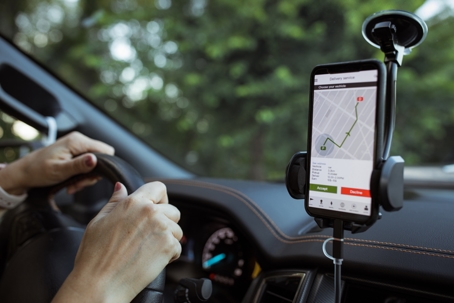
Drivers who depend on GPS can breathe easy. The proposed law still allows navigation, but only through hands-free technology. Your device needs to be mounted where you can see the road, and you must use voice commands instead of touching the screen. The law lets you use "a device or system for navigation purposes". School and work zones require completely hands-free navigation.
Talking on the phone with hands-free tech
You can still make voice calls if you use hands-free technology like Bluetooth or your car's built-in systems. Right now, drivers can legally hold their cell phone on most Florida roads. All the same, SB 1152 would change everything. The new law would make it illegal to support a phone with any part of your body—even against your shoulder.
Texting, emailing, and social media use
The law strictly forbids manual typing or entering text messages. This covers texting, emails, and browsing social media—any activity that needs you to type letters, numbers, or symbols. The ban targets "nonvoice interpersonal communication". Voice-to-text features stay legal since we banned only manual entry.
Using phones while stopped at red lights
Many people might not know that Florida law currently lets you use your phone when your vehicle isn't moving. The law states that "a motor vehicle that is stationary is not being operated". This means you can use your phone at red lights, stop signs, or in traffic jams. The proposed law would keep this exception.
Special rules for school and construction zones
School crossings, school zones, and active work zones take a firm stance against handheld devices. These areas prohibit holding your phone for any reason—calls, navigation, or anything else. Construction zone rules apply only when workers are present or using equipment. Breaking these rules leads to an immediate $60 fine and three points on your license.
Penalties for Violating the Hands-Free Law
Breaking Florida's cell phone laws leads to escalating penalties that get tougher with each offense. Your location during the violation and previous infractions determine how severe the consequences become.
First-time and repeat offense fines
Standard texting violations under Florida Statute 316.305 result in a $30 base fine as a non-moving violation. A second offense within five years becomes a moving violation with a $60 base fine. The proposed 2026 legislation would raise first violations to $150.
The penalties get tougher for multiple offenses. The new law would set second violations at $250, while a third violation would cost $500.
License points and suspensions
Your driving record takes a hit beyond just paying fines. Current first-time texting offenses don't add points, but second offenses put three points on your license. Using a handheld device in school or work zones adds three points to your license, even on first offense.
Points stack up quickly with multiple violations:
- 12 points in 12 months means a 30-day suspension
- 18 points in 18 months leads to a three-month suspension
- 24 points in 36 months results in a one-year suspension
The proposed law would also make a third violation trigger an automatic 90-day license suspension.
Enhanced penalties in work zones
School and construction zones have stricter penalties. Current offenses in these areas cost $60 plus three points. The proposed legislation would start violations in these zones at $150 with three points.
Can you take a safety course instead of paying?
First-time offenders have a way out. Taking a 90-minute Wireless Communications Device Safety Course can help avoid fines and court costs. This option also prevents points from being added to your license. You can only choose this option once in your lifetime.
Why the Law Matters: Safety and Enforcement
A real human tragedy lies behind every distracted driving statistic. Florida lost nearly 300 lives to distracted driving in 2023—23 more than the previous year. Crashes happen every 44 seconds on Florida's roads, painting an alarming picture of road safety.
Distracted driving crash statistics in Florida
Distracted drivers cause one in seven crashes in Florida. The problem extends beyond texting and includes any activity that takes a driver's attention away from the road, such as eating, talking to passengers, or adjusting the radio. The tragic case of Gregory Andriotis shows these devastating consequences. He killed a nine-year-old boy and hurt several others when he crashed into stopped traffic while using his phone at 80 mph. The court sentenced him to 30 years in prison.
How police enforce the law
Police officers can pull over and ticket anyone they see using handheld devices. They must document each violator's race and ethnicity and submit this information to state officials yearly. Violations lead to fines, court costs, and points on the driver's license.
Privacy protections for drivers
The law protects driver privacy with strict safeguards. Officers must tell drivers they can refuse phone searches, and warrants are required to access devices. A driver's consent must be clear and voluntary—no officer can pressure anyone into allowing phone searches.
Impact on insurance and liability
A texting ticket can raise insurance premiums by an average of 28%, with increases ranging from 9% in New York to 51% in California. These higher rates usually last 3-5 years. If you've been injured in an accident and need an attorney, call Pittman Law Firm, P.L. today for a free consultation. Distracted drivers become liable for all damages, from medical bills to compensation for pain and suffering.
Conclusion
Florida drivers will soon face most important changes on their roads when the Florida Hands-Free Driving Law takes effect. The statistics paint a stark picture - crashes occurring every 44 seconds across the state. Distracted driving causes one in seven of these accidents. Florida drivers need to understand this new law before it goes into effect in 2026.
The law brings a transformation in how drivers interact with technology on the road. You'll need to switch to hands-free alternatives for calls, navigation, and other basic functions instead of holding your phone. This change might take some getting used to, but what it all means for saving lives makes the adjustment worth it.
The law introduces tough penalties to prevent repeat violations. First-time offenders face $150 fines, while third violations could cost up to $500, plus license points and possible suspensions. First-time offenders can choose to take a safety course instead of paying the fine.
Pittman Law Firm, P.L. offers free consultations if you've been injured in an accident. Drivers should start preparing now for these changes by getting hands-free technology and changing their habits.
The numbers tell a sobering story - nearly 300 lives lost and over 2,200 serious injuries in 2024 alone from distracted driving. This law is more than just another regulation. It marks a vital step toward making Florida's roads safer. By doing this and keeping your hands on the wheel instead of your phone, you help create safer roads while avoiding legal and financial troubles.
Key Takeaways
Florida's proposed 2026 hands-free driving law represents a major shift in road safety regulations that every driver needs to understand and prepare for.
• Complete handheld ban coming: Florida's 2026 law will prohibit holding phones while driving, joining 29 other states with hands-free requirements.
• Steep penalties escalate quickly: Fines start at $150 for first violations, jump to $250 for second offenses, and reach $500 for third violations with a 90-day license suspension.
• Hands-free technology is essential: GPS navigation, phone calls, and voice-to-text remain legal only when using Bluetooth, mounts, or built-in vehicle systems.
• School and work zones have zero tolerance: Any handheld device use in these areas results in immediate $150 fines plus three license points.
• Safety course option available: First-time offenders can take a 90-minute wireless safety course to waive fines and avoid license points.
The statistics are sobering—nearly 300 deaths and over 2,200 serious injuries from distracted driving in Florida during 2024 alone. This law change isn't just about avoiding tickets; it's about preventing the tragic consequences that occur every 44 seconds when crashes happen across the state. Start preparing now by investing in hands-free technology and adjusting your driving habits before the law takes effect.
FAQs
Q1. What are the key changes in Florida's new cell phone law for 2026? The new law will prohibit drivers from holding or physically supporting a wireless device while driving. This includes not just phones, but also tablets, laptops, and other electronic devices. Hands-free use will still be permitted for navigation and calls.
Q2. What are the penalties for violating the new hands-free driving law? Fines start at $150 for first-time offenders and increase to $250 for second offenses. A third violation within a certain timeframe will result in a $500 fine and a 90-day license suspension. Additionally, violations in school and work zones carry immediate fines and license points.
Q3. Can I still use GPS navigation while driving under the new law? Yes, you can still use GPS and navigation apps, but only through hands-free technology. This means your device should be mounted where it doesn't obstruct your view of the road, and you should use voice commands rather than manual input.
Q4. Are there any exceptions to the hands-free requirement? The law allows for device use when your vehicle is stationary, such as at a red light or in stopped traffic. However, in school zones and active work zones, all handheld device use is prohibited regardless of whether the vehicle is moving or stopped.
Q5. Is there an alternative to paying fines for first-time offenders? Yes, first-time offenders have the option to complete a 90-minute Wireless Communications Device Safety Course instead of paying a fine. This option is available only once in a lifetime and, upon completion, both fines and court costs may be waived, and no points will be assessed on your license.
The information on this website is for general information purposes only. Nothing on this site should be taken as legal advice for any individual case or situation. This information is not intended to create, and receipt or viewing does not constitute an attorney-client relationship with Pittman Law Firm, P.L.