Confused by Fort Myers Construction Signs? What to Do After a Car Accident
Construction zones don't just slow down your commute—they can change your life forever. 891 people were killed and 37,701 people were injured in work zone crashes in 2022. Right here in Florida, construction zone crashes caused 356 deaths and nearly 2,000 severe injuries between 2017 and 2021.
You're driving through what seems like a simple construction area, and suddenly everything goes wrong. Narrowed lanes force you into tight spaces. Traffic patterns change without warning. Other drivers are distracted by all the activity around them. Heavy equipment appears where you don't expect it. These dangers create what we call collision zones—areas where all these hazards come together to create the perfect conditions for serious accidents.
The numbers tell a frightening story: work zone fatalities jumped 50% between 2013 and 2023. These aren't just statistics—they represent families torn apart by preventable tragedies.
If you've been hurt in a Fort Myers construction zone accident, you probably have questions racing through your mind. Who's responsible for what happened to you? What are your rights? How do you protect yourself when insurance companies start calling?
We understand that being injured in a construction zone accident can turn your world upside down. The confusion doesn't end with poor signage and chaotic traffic patterns. The legal aftermath can be just as confusing, with multiple parties pointing fingers at each other while you're left dealing with medical bills and lost wages.
This article will help you understand what makes construction zones so dangerous, why their signs often make things worse instead of better, who might be liable for your accident, and most importantly—the steps you need to take right now to protect both your health and your legal rights.
What You're Really Facing in Fort Myers Construction Zones
Fort Myers never stops growing, which means construction zones pop up everywhere you look. These aren't just inconveniences—they're accident waiting to happen. Understanding what makes these areas so dangerous could save your life.
What is a collision zone?
A collision zone isn't some fancy engineering term. It's the reality of what happens when construction interferes with normal traffic flow. Officially, these zones include "the immediate areas of actual construction and all abutting areas which are used by the CONTRACTOR and which interfere with the driving or walking public".
But here's what that really means for you: it's anywhere construction creates chaos for drivers and pedestrians trying to get where they need to go.
Why construction zones Turn Deadly
Over 700 people die in work zones every year. That's not just a number—that's 700 families who lost someone they loved because of preventable accidents.
Large trucks cause a disproportionate number of these crashes. They can't stop quickly, they can't see around obstacles, and they definitely can't squeeze through narrow lanes like smaller vehicles.
Here's what puts you at risk every time you enter a construction zone:
- Traffic patterns change without warning - One second you're in the right lane, the next second that lane ends
- Lanes get squeezed - Side-swipe accidents happen when there's barely room for two cars
- You can't see what's ahead - Dust, debris, poor lighting, and equipment block your view
- Heavy machinery moves unpredictably - That backhoe might swing out into traffic without warning
- Everyone gets distracted - Construction activity draws attention away from driving
Speed kills in work zones. Speed-related crashes account for 34% of work zone crashes nationwide. When lanes narrow and visibility drops, that extra 10 mph can mean the difference between a close call and a tragedy.
What You'll Find in Fort Myers Construction Zones
Fort Myers construction zones come with their own set of challenges. These areas typically feature:
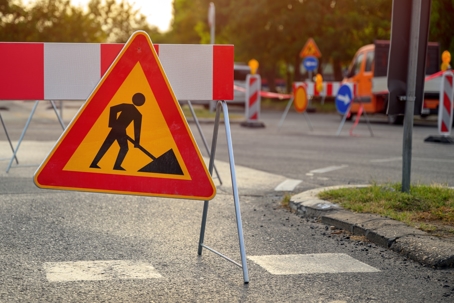
- Barricades and barriers that supposedly separate work areas from traffic
- Flashing warning lights for nighttime work
- Detour routes that may or may not be clearly marked
- Flaggers trying to direct traffic through single-lane areas
- Attempts to maintain access for local residents and businesses
Here's something most people don't know: Fort Myers construction regulations require keeping at least one lane open during the day and both directions open at night. Construction companies must also provide safe walkways and keep debris like sand and stones from creating hazards.
But regulations on paper don't always match reality on the road. Florida's boom means construction projects start faster than anyone can properly plan for them. The result? More confusion, more accidents, and more injured drivers who thought they were just trying to get home safely.
Why Fort Myers Construction Signs Make Everything Worse
Poor construction signage doesn't just cause confusion—it causes crashes. Even drivers who've been on Fort Myers roads for decades find themselves making split-second decisions that can end in disaster.
Signs That Set You Up to Fail
Signs placed too close to where you need to react give you zero time to safely change lanes. You're cruising along, and suddenly there's a sign telling you to merge—but traffic is already bumper-to-bumper beside you. Fort Myers makes this problem worse with vegetation that blocks critical signage until you're right on top of it.
The result? Drivers slam on brakes or swerve at the last second.
Remember the Winkler Avenue roundabout project? Even the construction crews got confused—they put up signs reading "Wrinkler Avenue," leaving locals wondering if they were in the right place.
Lane Closures That Appear Out of Nowhere
Temporary lane markings create a nightmare, especially at night when you can barely see the faded lines. Fort Myers police know this problem well—they made 314 stops at one problematic intersection in just ten months, with 180 of those stops happening in October alone.
Picture this: you're driving in what you think is your lane, and suddenly it just... ends. No warning. No advance notice. Just concrete barriers forcing you into traffic that wasn't expecting you.
When Darkness Makes Everything Dangerous
37% of work zone deaths happen after dark. Poor lighting doesn't just hide potholes and debris from workers—it hides them from you too. But here's the catch: sometimes the construction lighting itself becomes the problem. Those massive light towers can create blinding glare that makes it impossible to see where you're supposed to go.
Detours That Lead Nowhere
A proper detour should guide you from start to finish with clear signs at every turn. Fort Myers has failed at this basic requirement, leaving drivers stranded on dark roads with no idea how to get back to their destination.
Your GPS makes things even worse. While construction crews are updating physical signs, your navigation app is still using old information. You follow your phone's directions, but they take you straight into a closed road or an active work zone.
Don't get lost trying to navigate around construction zones that weren't properly planned.
Who's Really Responsible When Construction Zones Cause Crashes?
Construction zone accidents aren't like typical car crashes. Multiple parties can be held responsible for what happened to you, and figuring out who owes you compensation requires understanding how liability works in these complex situations.
Don't let anyone tell you that just because you were driving, you're automatically at fault. We've seen too many cases where construction companies, government agencies, and traffic control vendors try to shift blame onto innocent drivers.Understanding your rights means knowing who should be held accountable.
Construction Companies Must Keep You Safe
Construction companies can't just throw up a few orange cones and call it safe. They have serious legal obligations that include:
- Placing warning signs far enough ahead so you have time to react safely
- Creating proper traffic flow patterns that don't force dangerous lane mergers
- Keeping debris and equipment out of active traffic lanes
- Providing adequate lighting for nighttime work zones
Florida law does provide some protection for contractors who follow their contract requirements. But here's what they don't want you to know: this protection disappears if they created dangerous conditions or failed to follow required traffic control plans.
Government Agencies Share the Blame
The Florida Department of Transportation and local municipalities can't just hand over a project and walk away. These agencies must properly supervise contractors and ensure safety regulations are being followed.
Florida Statute §337.195 does limit government liability in some situations. The law creates a presumption that impaired drivers are responsible for their own injuries, but this presumption can be overcome if you can prove gross negligence by the government or its contractors.
Traffic Control Vendors Often Bear Significant Responsibility
Companies hired specifically to manage traffic flow through construction zones carry serious legal responsibility. When they place cones incorrectly, post inaccurate signage, or let signals malfunction, they're putting your life at risk. These vendors must follow established safety protocols—no exceptions.
What If You Share Some of the Fault?
Florida's comparative negligence law means your compensation might be reduced by your percentage of fault. But don't let this scare you away from pursuing your claim. Even if you were speeding or distracted, you can still recover compensation if others were also responsible.
If you were under the influence at the time of the crash, Florida law presumes your impairment caused your injuries. However, this presumption can be challenged with evidence showing gross negligence by construction companies or other parties.
The key point: Construction zone accidents involve complex liability issues that require experienced legal guidance. Don't let insurance companies convince you that you're entirely at fault when multiple parties may be responsible for your construction zone crashes.
What to Do Immediately After a Construction Zone Accident
The moments right after a construction zone accident are critical. Your actions now can protect both your health and your legal rights. Don't let shock or confusion prevent you from taking these essential steps.
Move to safety if you can
Check if your vehicle is drivable. If it is, get it away from traffic and construction equipment. Turn on your hazard lights immediately—you don't want another driver to slam into you while you're dealing with your current situation.
Can't move your car? Get yourself to safety. Step behind a guardrail or well away from the roadway. Construction zones have enough dangers without you standing in the middle of them.
Call 911 and specify your location
Dial 911 and tell them you're in a construction zone. This helps emergency responders find you when roads are torn up or blocked. Make sure to request an official accident report—this document becomes crucial evidence for your case.
Document everything you can see
Take photos immediately, before anything gets moved or cleaned up. Capture:
- All vehicle damage
- Road conditions and surface problems
- Traffic signs, especially missing or unclear ones
- Construction barriers, cones, and equipment placement
- Whether construction workers are visible
These photos can make or break your construction zone accident claims. Construction sites change daily, so what you see today might be gone tomorrow.
Talk to witnesses right away
Find anyone who saw what happened—other drivers, passengers, even construction workers. Each person has a different view of how the accident unfolded. Ask for their contact information and a quick statement about what they observed.
Don't assume witnesses will stick around or remember details later. Get their information now.
See a doctor, even if you feel fine
Get medical evaluation immediately, even when you think you're not hurt. Adrenaline can mask injuries like whiplash or internal damage that won't show symptoms for days. Having medical records that connect your injuries directly to the accident protects your claim.
Contact an attorney before talking to insurance
Call a personal injury attorney before you speak with any insurance companies. Construction zone accidents involve complex liability questions that require legal expertise. Evidence disappears fast at construction sites—equipment moves, signs get relocated, and work continues.
Don't become another victim of the system. Get professional help to fight for the compensation you deserve.
Don't Get Hit Twice by Poor Legal Advice
Construction zone accidents aren't just another fender bender. They're complex cases with multiple parties who might be responsible for what happened to you. The confusion doesn't end when the ambulance leaves the scene.
You now know the truth about Fort Myers construction zones. Poor signage, inadequate lighting, missing warnings, and confusing detours create dangerous conditions that hurt innocent drivers every day. More importantly, you understand that responsibility often falls on construction companies, government agencies, traffic control vendors, and sometimes even other drivers who share liability for your accident.
Florida's comparative negligence laws mean your case isn't automatically lost even if you made a mistake. You still have rights worth fighting for, and compensation that belongs to you and your family.
The steps you take right now matter. Get to safety, call 911, document everything you can see, talk to witnesses, get medical help even if you feel okay, and most importantly—contact a personal injury attorney before you talk to any insurance company.
Construction zones change fast. Evidence disappears. Workers move on to other projects. The longer you wait, the harder it becomes to prove what really happened.
At Pittman Law Firm, P.L., we've spent over 30 years helping people just like you fight back after construction zone accidents.We know these cases inside and out. We know which parties to investigate, what evidence to preserve, and how to build the strongest possible case for you and your family.
Your accident was serious enough to read this entire article. Don't let insurance companies convince you it wasn't serious enough to get proper legal help. Contact us today for a free consultation, and let us fight to get you the compensation you deserve while you focus on getting better.
Don't become another "file number" at an overcrowded firm. You deserve personal attention during this difficult time.
Key Takeaways
Construction zone accidents in Fort Myers require immediate action and understanding of complex liability issues to protect your rights and recovery.
• Document everything immediately: Take photos of signs, debris, road layout, and vehicle damage before construction sites change or evidence disappears.
• Multiple parties may be liable: Construction companies, government agencies, traffic control vendors, and other drivers can all share responsibility for your accident.
• Seek medical attention regardless of symptom severity: Some injuries like whiplash may not appear until days later, and medical records directly link injuries to the accident.
• Consult an attorney before talking to insurance: Construction zone cases involve complex liability issues that require professional legal guidance to navigate effectively.
• Move to safety and call 911 immediately: Specify you're in a construction zone to help emergency responders navigate road closures and barriers safely.
Construction zones are inherently dangerous due to narrow lanes, poor visibility, and confusing signage. With work zone fatalities increasing 50% over the past decade, understanding your rights and taking proper action after an accident becomes essential for protecting both your health and legal interests.
FAQs
Q1. What precautions should drivers take when navigating through construction zones? Drivers should remain alert to all signage indicating reduced speeds, lane changes, and other important information. It's crucial to avoid distractions such as cell phones, eating, drinking, or adjusting the radio or GPS. Always be prepared for sudden changes in traffic patterns and follow instructions from construction workers or flaggers.
Q2. How is fault determined in a construction zone accident? Determining fault in a construction zone accident involves examining various factors. These include evidence at the scene (like skid marks and debris), witness statements, compliance with traffic laws, and any available surveillance footage. Multiple parties may share responsibility, including construction companies, government agencies, and other drivers.
Q3. What should I do immediately after a car accident in a construction zone? After ensuring your safety, call 911 and specify that you're in a construction zone. Document the scene by taking photos of signs, debris, and road layout. Collect contact information from witnesses, including construction workers. Seek medical attention even for minor symptoms, and consult with a personal injury attorney before discussing the accident with insurance companies.
Q4. Can construction companies be held liable for accidents in work zones? Yes, construction companies can be held responsible for accidents in work zones if they fail to maintain safe conditions. This includes properly placing warning signs, establishing safe traffic flow patterns, keeping roadways clear of debris, and providing sufficient lighting for nighttime work. However, their liability may be limited if they were in compliance with contract documents relevant to the accident's cause.
Q5. How does Florida's comparative negligence law affect construction zone accident claims? Florida follows comparative negligence principles, which means your compensation may be reduced by your percentage of fault in the accident. For example, if you were speeding through a construction zone or ignoring flaggers' signals, it could impact your claim. However, even if you bear some responsibility, you may still be entitled to compensation if other parties were also at fault.
The information on this website is for general information purposes only. Nothing on this site should be taken as legal advice for any individual case or situation. This information is not intended to create, and receipt or viewing does not constitute an attorney-client relationship with Pittman Law Firm, P.L.