
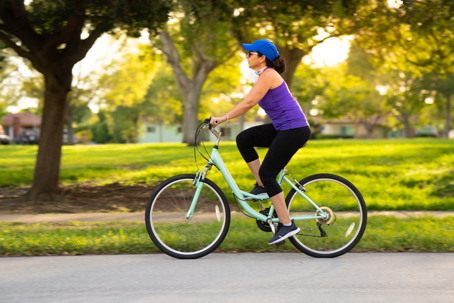
What Tourists Need to Know About Bike Laws In Southwest Florida Before Riding
What You Need to Know About Riding Safely in Florida
Florida ranks among the deadliest states for bicycle fatalities, with South Florida seeing the most tragic incidents. Yet thousands of tourists still choose to explore our beautiful state on two wheels - and we want you to do it safely.
Understanding Florida's bike laws isn't just about avoiding tickets; it's about protecting yourself and your family while you enjoy everything the Sunshine State has to offer.
Here's what matters most for your safety:
• Your bicycle is a vehicle under Florida law - You must stop at red lights, follow traffic signals, and ride with the flow of traffic just like any car on the road.
• Children under 16 must wear helmets - This isn't optional. Adults aren't required to wear them statewide, but we strongly recommend you do.
• Stick to bike lanes when they're available and you're moving slower than traffic - No bike lane? Stay as close to the right edge as you safely can.
• Electric bikes have special age rules - Class 3 e-bikes that go up to 28 mph require riders to be at least 16 years old.
• Night riding means proper lights - You need a white front light visible from 500 feet and a red rear light/reflector visible from 600 feet.
• After any bike accident, call 911 first - Document everything and get medical attention within 14 days to qualify for Florida's no-fault insurance benefits.
Don't let a preventable accident ruin your Florida vacation. These rules exist to protect you, and following them will help ensure you return home safely with great memories instead of hospital bills.
Whether you're planning to bike through scenic coastal routes or busy tourist areas, Florida serves as a major destination where many visitors rely on bicycles to reach popular attractions. This guide covers everything from helmet requirements for young riders to electric bike classifications and critical safety regulations. We want you to know these rules before you start pedaling - because your safety matters more than anything else.
Essential Florida Bike Laws You Must Follow
Your Bicycle Has the Same Legal Status as Cars
Florida Statute 316.2065 grants bicycles full vehicle status. You have all the same rights and responsibilities as motor vehicle drivers when you're on the road. Stop at red lights, obey yield signs, follow traffic signals, and ride with the flow of traffic. Break these rules and you'll face fines just like any car driver would.
Your Bike Must Have Working Brakes and a Proper Seat
Your bicycle must have functional brakes that can stop you within 25 feet from a speed of 10 miles per hour on dry, level, clean pavement. Riding with broken brakes isn't just dangerous - it's illegal.
You also need to ride on a permanent, regular seat that's attached to your bicycle. The only time this doesn't apply is when the manufacturer designed the bike to be ridden without a seat. You can't just remove the seat from a regular bike and expect to ride legally.
Rules for Carrying Passengers
You cannot carry more people than your bike was designed to handle. If you're an adult, you can carry a child in a backpack or sling that's securely fastened to your body.
When you're transporting a child under 4 years old or weighing 40 pounds or less, you must use a seat or carrier specifically designed for that child's age and size. The carrier needs to protect the child from the bike's moving parts. Never leave a child in the seat or carrier when you're not in control of the bicycle.
Helmet Requirements for Young Riders
Any rider or passenger under 16 must wear a properly fitted bicycle helmet. The helmet must be fastened securely with a strap and meet federal safety standards (16 C.F.R. part 1203). Parents and guardians can face penalties for knowingly allowing children to ride without helmets. Adults don't need helmets under state law, but we strongly recommend wearing one.
Don't Attach Yourself to Moving Vehicles
You cannot attach yourself or your bicycle to any moving vehicle on a roadway. This includes cars, trucks, buses, or any motor vehicle. The law does allow bicycle trailers or semitrailers if they're commercially available and designed for bike attachment.
Know Where You Can Ride: Florida's Bike Lane Rules
Bike Lanes vs. Roadways - What You Need to Know
When you're pedaling slower than the normal flow of traffic and a bike lane exists, Florida law requires you to use it. Don't have a bike lane available? Ride as close as practicable to the right-hand curb or edge of the roadway. The word "practicable" means capable of being done safely, and there are many situations where hugging the far right isn't safe or even possible.
The 3-Foot Rule Protects You From Passing Cars
Florida requires motorists to pass bicycles at a safe distance of 3 feet between the vehicle and the bicycle. This protection applies when drivers overtake you traveling in the same direction. If a driver can't maintain this minimum clearance, they must slow down and wait until they can guarantee your safety.
When You Have the Right to Take the Full Lane
You can use the entire traffic lane when overtaking and passing another bicycle or vehicle, preparing for a left turn, or avoiding road hazards. You also have the right to the full lane when it's too narrow for a bicycle and vehicle to travel safely side by side. These "substandard-width lanes" give you permission to take the lane even when you're traveling slower than traffic.
Florida Sidewalk Riding - Generally Allowed But Check Local Rules
Sidewalk riding is generally legal throughout Florida unless local ordinances say otherwise. When you're riding on sidewalks or crosswalks, you have the same rights and responsibilities as pedestrians. However, you must yield the right-of-way to any pedestrian and give an audible signal before overtaking and passing them[82]. Watch for posted signs in downtown and business districts where sidewalk cycling may be restricted.
Hand Signals Every Cyclist Must Know
You must signal turns during the last 100 feet before making your turn. For a left turn, extend your left hand and arm horizontally. For a right turn, extend your right hand and arm horizontally to the right side of your bicycle, or extend your left hand and arm upward. If you need both hands to maintain control of your bike, continuous signaling isn't required.
E-Bike Laws Florida: What Tourists Need to Know
Class 1 and Class 2 Electric Bikes
Electric bicycles receive identical treatment to traditional bicycles under Florida law. Your electric motor of less than 750 watts e-bike must have fully operable pedals and a seat to qualify.
Class 1 e-bikes provide pedal-assist only. The motor helps while you pedal and stops assisting at 20 mph[133]. Class 2 electric bicycles include a throttle that can propel the bike without pedaling, also cutting off at 20 mph[133]. You don't need a driver's license, registration, or insurance for either class[133].
Class 3 Electric Bikes Face More Restrictions
Class 3 e-bikes offer pedal-assist up to 28 mph and typically include a speedometer. These faster bikes come with stricter rules than Classes 1 and 2. You must be at least 16 years old to operate Class 3 e-bikes[134]. Local governments can also require minimum age requirements or government-issued photo identification.
Where You Can Ride Your E-Bike
You can ride electric bicycles anywhere traditional bicycles are allowed. This includes streets, highways, roadways, shoulders, bike lanes, and multiuse paths[133]. However, local ordinances can restrict access, particularly on sidewalks, beaches, and specific trails. Most state parks allow Class 1 and Class 2 e-bikes on paved trails where regular bikes are permitted.
Helmet Rules for E-Bike Riders
Any rider under 16 must wear a helmet when operating any class of e-bike[133]. If you're 16 or older, helmets aren't legally required under statewide law, though we strongly recommend wearing one[132].
Staying Safe and Protected on Florida Roads
Night Riding Requirements You Must Follow
Between sunset and sunrise, your bicycle must have a white front lamp visible from at least 500 feet and both a red rear lamp and red reflector visible from 600 feet. Law enforcement officers can issue citations for violations, but courts will dismiss first-time charges if you show proof of purchasing and installing proper lighting equipment. Here's a sobering fact: approximately 50% of bicycle fatalities occur between 6:00 PM and 6:00 AM, with most fatal crashes involving cyclists who lacked proper lighting.
Don't become a statistic. Proper lighting isn't just about following the law - it's about making sure you get home safely to your family.
Make Yourself Seen in Tourist Areas
Wear reflective clothing or neon colors to enhance visibility to motorists. Tourist areas can be particularly dangerous with distracted drivers looking for directions or attractions rather than watching for cyclists.
Beyond the required lights, consider adding spoke lights, pedal lights, or reflective tape on your bicycle frame. Avoid headphones so you can hear surrounding traffic and pedestrians. Your ability to hear can be the difference between avoiding an accident and becoming involved in one.
What to Do If You're Involved in a Bike Accident
Call 911 immediately, even for minor injuries. Move to a safe location if possible, but never leave the scene. Document everything: photograph the accident scene, your bicycle, the vehicle, your injuries, and road conditions. Exchange contact and insurance information with the driver and collect witness details.
Here's something many tourists don't know: you must seek medical attention within 14 days to qualify for Personal Injury Protection (PIP) benefits under Florida's no-fault insurance law. Don't wait - even if you feel fine immediately after the accident.
When You Need Legal Help After a Bicycle Accident
Contact an attorney if you've suffered serious injuries, the at-fault driver's insurance disputes liability, or you receive a low settlement offer. If you have been injured in an accident and need a lawyer, call Pittman Law Firm, P.L. today for a free consultation.
Evidence in bicycle accidents can disappear quickly, so reaching out soon after the crash allows investigators to collect physical evidence and interview witnesses. We understand that being injured in an accident can have a major impact on your life, and our team is ready to fight for you!
Don't get lost in all the phone calls and paperwork with insurance companies. At our firm, you are more than just another case number.
Conclusion
Florida's bike laws might seem extensive at first, but they exist to protect you on the road. Now that you understand the requirements for equipment, riding locations, and e-bike classifications, you can enjoy your cycling experience safely and legally. Whether you're cruising through scenic routes or navigating busy tourist areas, following these regulations will help you avoid citations and, more importantly, prevent accidents during your Florida visit.
FAQs
Q1. Do I need to wear a helmet when cycling in Florida as an adult tourist? Adults are not legally required to wear helmets while cycling in Florida. However, anyone under 16 years of age must wear a properly fitted and fastened bicycle helmet that meets federal safety standards. While not mandatory for adults, wearing a helmet is strongly recommended for safety.
Q2. Can I ride my bicycle on sidewalks in Florida? Yes, sidewalk riding is generally legal in Florida unless prohibited by local ordinances. When riding on sidewalks, cyclists have the same rights and duties as pedestrians and must yield to pedestrians and give an audible signal before passing them. Check for posted signs in downtown and business districts where restrictions may apply.
Q3. What are the lighting requirements for riding a bike at night in Florida? Between sunset and sunrise, bicycles must be equipped with a white front lamp visible from at least 500 feet and both a red rear lamp and red reflector visible from 600 feet. These lighting requirements are mandatory, and first-time violators can have citations dismissed by showing proof of purchasing and installing proper equipment.
Q4. Do I need a license or registration to ride an electric bike in Florida? No, you do not need a driver's license, registration, or insurance to operate Class 1 or Class 2 electric bikes in Florida. However, riders must be at least 16 years old to operate Class 3 e-bikes, which provide pedal-assist up to 28 mph. All e-bikes must have fully operable pedals, a seat, and an electric motor of less than 750 watts.
Q5. What is the three-foot rule for motorists passing cyclists in Florida? Florida law requires motorists to maintain a safe distance of at least 3 feet between their vehicle and a bicycle when passing in the same direction. If drivers cannot provide this minimum clearance, they must slow down and wait until the cyclist's safety can be guaranteed before passing.
The information on this website is for general information purposes only. Nothing on this site should be taken as legal advice for any individual case or situation. This information is not intended to create, and receipt or viewing does not constitute an attorney-client relationship with Pittman Law Firm, P.L.