
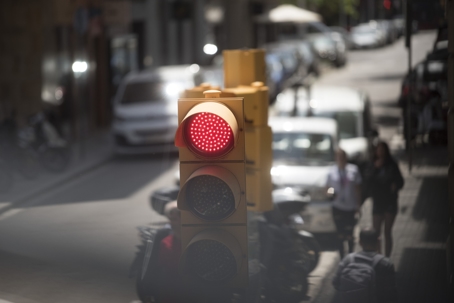
Just Got Rear Ended at a Red Light? Here's What to Do Right Now in Bonita Springs
Florida recorded 50,410 rear-end collisions in 2021, making it crucial to know what steps to take after getting rear-ended to protect your health and legal rights. These accidents happen without warning - usually while you're stopped at a red light in Bonita Springs.
Getting hit from behind leaves most people feeling confused and stressed, especially when they did nothing wrong. The steps you take right after the collision can substantially affect your recovery and compensation options. Many rear-end accident injuries like whiplash, concussions, or soft tissue damage might not show symptoms immediately. Florida's Personal Injury Protection (PIP) law requires you to get medical treatment within 14 days of the accident to qualify for coverage.
This piece outlines the essential steps after getting rear-ended at a red light in Bonita Springs. You'll learn everything from injury assessment and scene documentation to Florida's insurance requirements and ways to protect your rights from the moment of impact.
Check for Injuries and Call 911 Immediately
The first few moments after getting rear-ended are vital. Quick action helps protect your health, safety, and legal rights. The shock might overwhelm you, but you need to follow specific steps to handle the situation.
Assess yourself and passengers for injuries
Your first priority after the vehicle stops is to check yourself for pain, dizziness, or unusual symptoms. Adrenaline can mask serious injuries, so don't assume you're fine right away. Check your passengers next and ask them about any pain or discomfort they feel.
Some injuries don't show up immediately. Internal bleeding, concussions, and whiplash might take hours or days to develop after getting rear-ended. These delayed-onset injuries can become dangerous if you ignore them.
Call 911 even if injuries seem minor
You should call 911 after being rear-ended, even if everyone seems okay. Emergency responders will properly check everyone at the scene and provide needed medical care. This step is vital even for what looks like a minor collision.
Whiplash and concussions often don't show symptoms right away. Headaches or neck pain might start bothering you days later. Medical professionals who document your condition right after the accident will help strengthen any future insurance claims.
Why a police report is essential in Florida
Florida law says drivers must report accidents that cause injuries or property damage over $1,000. A police report is a great way to get documentation that:
- Creates an official, unbiased record of the whole ordeal
- Documents statements from everyone while memories are fresh
- Notes important details like weather conditions and road hazards
- Establishes a timeline and factual account of the collision
Insurance claims become much harder to prove without a police report—it becomes your word against the other driver's. Insurance companies need this documentation to process your claim quickly.
Missing a police report could lead to claim denials, legal penalties, or problems with your rear-ended insurance claim. The best approach is to wait for officers to arrive and tell them exactly what happened.
Move to Safety and Prevent Further Risk
Your top priority after checking injuries and calling 911 should be making the accident scene safe. A rear ended collision creates immediate dangers that need quick action to stop other crashes from happening.
Turn on hazard lights
The first thing you need to do is press the red triangle button on your dashboard to turn on your hazard lights. This vital step warns other drivers about the emergency ahead and gives them time to slow down and drive around safely. You should turn on these lights before you even step out of your car or check on the other driver. They work as a universal warning sign to everyone on the road.
Your hazard lights can cut down the risk of another car hitting you by a lot. This basic step helps other drivers see you better, especially at night or in bad weather that makes it hard to see.
Move your car if it's safe to do so
After your hazard lights are on, check if you can move your car safely. You should try to get your car to the shoulder, a nearby parking lot, or anywhere safe away from traffic—but only if no one has serious injuries and your car still runs.
Leaving your car in traffic lanes makes it more likely another crash will happen. Most states have rules that say you must move your car after small crashes if you're blocking traffic. Try to take quick photos of how everything looks before moving your car. These pictures might help with insurance claims later.
Stay inside the vehicle if you're unsure
In stark comparison to what most people think, staying in your car is usually the safest choice after getting rear-ended. The National Highway Traffic Safety Administration reports that approximately 16% of American pedestrian fatalities happen on freeways.
You should definitely stay in your car:
- If there's no safe shoulder area
- When you smell gasoline or see smoke
- If your car sits in a dangerous spot
- During heavy traffic, especially on highways
- When it's hard to see outside
If you must get out, move as far from traffic as you can. Try to get behind a barrier, and never stand right in front of or behind your car.
Exchange Information and Document the Scene
After making the accident scene safe, your next step is to document important details of the rear ended collision. Good documentation will give a better chance of success with insurance claims.
What to get from the other driver
Rather than rushing to write things down and risk mistakes, take photos of the other driver's:
- Driver's license
- Insurance card
- Vehicle registration
- License plate
This method saves time and helps you file an accurate rear ended insurance claim. You should also share contact details including names, phone numbers, and addresses. Let the other party take photos of your information too for a fair exchange.
Take photos of damage, road, and surroundings
Your smartphone will be your best friend right now. Start by taking pictures of:
- Vehicle damage from several angles
- Both vehicles' positions and how they relate to each other
- Road conditions, skid marks, and debris
- Any traffic signals or stop signs that matter
- Weather and light conditions
Take extra photos - you'll want wide shots, medium-range, and close-ups to show the full story of getting rear ended.
Get witness contact details
Third-party accounts from neutral witnesses make your case stronger. Walk up to anyone who saw the collision and ask for:
- Names and phone numbers
- Quick description of what they saw
- Permission to reach out later if needed
Request the police report number
Last but not least, get the responding officers' names, badge numbers, and case numbers. Reports usually take a few days, but this paperwork officially validates your accident. You can get your report in Bonita Springs by visiting the police department or filling out an online request form once it's ready.
Seek Medical Attention and Notify Your Insurance
A rear-end collision can cause serious problems even if it seems minor at first. You should get medical care right away to protect your health and legal rights. Your next steps should focus on proper medical care and smart communication with insurance companies.
Why you should see a doctor even if you feel fine
Your body's adrenaline can mask pain right after an accident. Serious injuries like concussions, whiplash, and internal bleeding might not show symptoms until days pass. A quick medical check creates official records that link your injuries to the crash. This documentation serves as vital evidence to support your claim.
Florida's 14-day PIP rule explained
Florida law requires you to see a medical provider within 14 days of your accident to get Personal Injury Protection (PIP) benefits. You will lose all PIP coverage without this timely care—benefits you already paid for. On top of that, it takes an Emergency Medical Condition (EMC) diagnosis from a qualified doctor to access your full $10,000 in benefits. Your coverage stays limited to $2,500 without this diagnosis.
How to report the accident to your insurer
You should contact your insurance company within 24 hours, regardless of fault. Share the simple facts: date, time, location, and the other driver's details. The Pittman Law Firm, P.L. offers free consultations if you need legal help after an injury accident.
What to say and what not to say to insurance
Your conversations with adjusters should follow these guidelines:
- Share only simple facts about the crash time and location
- Do not admit fault or hypothesize about the accident
- Wait to discuss injuries until after seeing a doctor
- Do not give recorded statements before talking to an attorney
Conclusion
Rear-end collisions can catch anyone off guard. Your response shouldn't be left to chance. Quick and methodical actions after getting hit at a red light protect your health and legal rights. The best outcome depends on following these steps: check for injuries, call 911, move to safety, document the scene, and get medical care.
Quick action makes all the difference in accident aftermath. Florida's 14-day rule for medical evaluation demands fast response. Evidence collected right after the crash preserves vital details that could fade with time. Your insurance claim stays protected when you communicate properly with insurance companies.
Don't brush off minor collisions. Injuries might show up days after the whole ordeal, so medical evaluation is vital even if you feel fine now. Pittman Law Firm, P.L. offers free consultation if you need legal help after an injury. Their team can guide you through Florida's complex insurance requirements while you heal.
A rear-end crash brings stress and doubt. Clear steps help you stay focused in tough moments. These crashes happen fast, but their impact can last. Your quick response shapes how well you protect your health, rights, and financial security after an unexpected crash in Bonita Springs.
Key Takeaways
Being rear-ended at a red light requires immediate, systematic action to protect your health and legal rights in Florida.
• Call 911 immediately - Even minor-seeming accidents need police reports and medical evaluation, as injuries like whiplash often appear days later
• Document everything thoroughly - Take photos of vehicle damage, road conditions, and exchange driver information to strengthen your insurance claim
• Seek medical care within 14 days - Florida's PIP law requires medical attention within this timeframe or you forfeit coverage benefits
• Move to safety but stay cautious - Turn on hazard lights and relocate vehicles if safe, but remain in your car if traffic conditions are dangerous
• Communicate carefully with insurers - Report the accident within 24 hours but avoid admitting fault or giving recorded statements without legal counsel
Remember that adrenaline can mask serious injuries, making prompt medical evaluation essential regardless of how you feel immediately after the collision.
FAQs
Q1. What should I do immediately after being rear-ended at a red light in Bonita Springs? First, check yourself and passengers for injuries. Then, call 911 even if injuries seem minor. Turn on your hazard lights and move to a safe location if possible. Exchange information with the other driver and document the scene by taking photos of the damage and surroundings.
Q2. Do I need to file a police report for a rear-end collision in Florida? Yes, it's essential to file a police report in Florida, even for minor accidents. The report provides an official record of the incident, which is crucial for insurance claims and potential legal proceedings. Florida law requires reporting accidents resulting in injuries or property damage exceeding $1,000.
Q3. How soon should I seek medical attention after being rear-ended? You should seek medical attention as soon as possible, even if you feel fine. Florida law requires you to see a medical provider within 14 days of the accident to qualify for Personal Injury Protection (PIP) benefits. Many injuries, like whiplash, may not show symptoms immediately.
Q4. Will my insurance rates increase if I'm rear-ended at a red light? In Florida, your insurance rates should not increase for a not-at-fault accident. However, it's important to report the incident to your insurance company within 24 hours, even if you weren't at fault. Provide only basic facts about the accident and avoid admitting fault or speculating about injuries.
Q5. What information should I collect from the other driver after being rear-ended? Collect the other driver's name, contact information, insurance details, and license plate number. It's best to take photos of their driver's license, insurance card, and vehicle registration to ensure accuracy. Also, get contact information from any witnesses and request the police report number if applicable.
The information on this website is for general information purposes only. Nothing on this site should be taken as legal advice for any individual case or situation. This information is not intended to create, and receipt or viewing does not constitute an attorney-client relationship with Pittman Law Firm, P.L.