
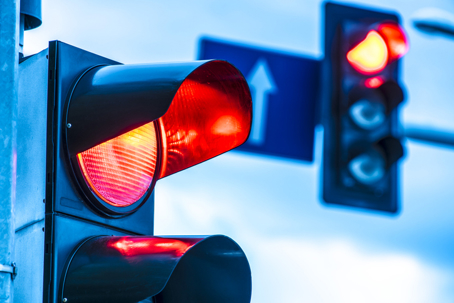
Accidentally Ran a Red Light in Fort Myers? Here's Who's Actually at Fault
What You Need to Know Right Now
Running a red light accidentally can leave you worried about tickets, lawsuits, and what happens next. Don't panic - you have more options than you might think.
• A red light violation doesn't automatically mean you'll get a ticket - Fort Myers lacks widespread camera enforcement, and citations depend on whether officers witnessed the incident or cameras captured it.
• Florida's fault rules may work in your favor - you can still recover compensation if you're 50% or less at fault, but you're barred from any recovery if you exceed 50% responsibility.
• Protect yourself immediately: photograph everything, collect witness information, get medical attention, and never admit fault - these actions can make or break your case.
• Evidence can challenge fault even when you ran the red light - traffic camera footage, witness statements, and accident reconstruction may reveal factors that shift liability.
• Serious injuries or disputed liability require an attorney - legal representation significantly increases settlement amounts and protects your rights.
The bottom line: fault determination goes far beyond just running the red light. Signal malfunctions, other driver actions, and intersection conditions can all shift liability in ways that protect you.
If you accidentally ran a red light in Fort Myers, you're probably wondering what comes next. Will you get a ticket? Could you face a lawsuit? The truth is, the answers aren't as simple as you might expect. Whether you face a citation depends on several factors - was there a camera?
Did an officer see what happened? When it comes to determining fault in an accident, Florida's modified comparative negligence system means liability gets shared between parties based on their percentage of fault.
Even if you made the initial error, variables like malfunctioning signals or other drivers' actions may give you legal options you didn't know existed. We're here to explain what to expect, how fault really gets determined, and what steps you should take to protect yourself.
What Happens After You Accidentally Ran a Red Light
Will You Actually Get a Ticket?
Running a red light doesn't automatically mean you'll get a citation. The reality is more complex than most drivers realize. If a police officer witnessed your violation directly, you'll likely receive a ticket on the spot. But many Fort Myers intersections don't have constant police monitoring or camera surveillance.
Don't assume you're safe just because nothing happened immediately. Citations can show up in your mailbox weeks later if camera systems captured the violation. Automated enforcement systems mail tickets to the registered vehicle owner's address, typically within 15 days of the incident. You'll want to keep checking your mail in the weeks following the incident.
Red Light Cameras in Fort Myers - What You Need to Know
Here's some potentially good news: Fort Myers currently lacks widespread red light camera enforcement. The city's Chief of Police proposed adding traffic cameras at busy intersections like Fowler and Colonial to improve road safety, but installation remains uncertain. The city has been seeking companies willing to install both red light and school zone speed cameras at no cost to the municipality, yet no definitive timeline exists.
This differs significantly from other Florida jurisdictions where camera enforcement operates actively. In areas with functioning systems, cameras trigger when vehicles pass over sensors while the light displays red. The technology captures two images and records 12 seconds of video showing the violation.
"I Didn't See a Camera Flash" - Does That Matter?
Many drivers believe they avoided a ticket because they didn't see a flash. This assumption can be misleading and costly.Camera flashes might activate without being visible to drivers, particularly during daylight hours. Cameras sometimes flash during testing, system calibration, or when vehicles stop abruptly near the trigger point without actually violating the law.
Each captured image undergoes review by police officers who determine whether an actual violation occurred. If officers confirm your vehicle clearly stopped behind the line, they typically discard the ticket without issuing it. Good news: entering an intersection while the light shows yellow, even if it turns red while you're already inside, should not result in a citation.
The Financial Reality of Red Light Violations
Red light violations in Florida carry serious financial consequences that can impact your budget. The initial notice of violation costs $158, but ignoring this first notification increases the fine to $262. In Lee County, you must respond within 30 days by paying the citation, electing traffic school, or entering a no contest plea. Missing this deadline triggers license suspension and additional fees.
The first notice doesn't add points to your license, but the second notice does. After 90 days, unpaid citations transfer to collection agencies with an additional 25% fee assessed against the balance. We've seen clients struggle with escalating costs from what started as a simple violation.
Who's Really at Fault When Red Light Accidents Happen
You Ran the Red Light - Does That Make You Automatically Responsible?
Running a red light typically puts the blame on you. When you violate traffic control signals, you're breaking Florida Vehicle Code requirements, which creates strong evidence that you acted carelessly. The driver who enters an intersection after the signal turns red usually bears responsibility for any damage that follows.
But here's what many people don't realize - proving fault requires solid evidence. Traffic camera footage, witness statements, and police reports become crucial pieces of your case. Without clear proof of what happened, insurance companies may fight your claim, especially at intersections where no cameras were watching.
Florida's Shared Fault Rule Could Still Help You
Florida uses a modified comparative negligence system that might work in your favor. Even if you made a mistake, you can still recover money for your injuries as long as you're 50% or less at fault. Let's say your medical bills and other damages add up to $100,000, but the court decides you're 20% responsible - you'd still recover $80,000.
Here's the critical part: if you're found more than 50% at fault, you lose everything. This represents a major change from how Florida used to handle these cases. Insurance adjusters will dig through every detail - police reports, witness statements, your medical records - trying to pin more blame on you to reduce what they have to pay.
When Traffic Lights Break Down
Broken traffic signals create dangerous situations that require you to act carefully. When lights fail completely, Florida law says treat it like a four-way stop. You must yield to whoever got there first and move through slowly.
If you don't follow these rules, the fault shifts to you instead of the city responsible for maintaining the signal. Even when signals malfunction, you still have a duty to drive safely.
Other Things That Can Change Who's at Fault
Your case might involve more than just your driving. Poorly maintained traffic signals, confusing road signs, or blocked views at intersections could make government agencies partially responsible. Car problems like brake failure that prevented you from stopping on time might shift blame to the manufacturer or repair shop.
Don't assume you're automatically at fault just because you ran the red light. Many factors influence who pays for an accident, and understanding these details protects your right to fair compensation.
What You Need to Do After Accidentally Running a Red Light
Your actions right after running that red light will make all the difference for your safety and your legal rights.
Get Your Vehicle to Safety First
Pull out of traffic if you can do it safely. Turn on those hazard lights so other drivers can see you. Check yourself and anyone else in the car for injuries before you step outside. Don't trust how you feel right away - adrenaline hides pain, and you might not realize you're hurt until later.
Call 911 and Get Law Enforcement There
Call 911 right away if anyone got hurt or there's serious damage to the vehicles. Police reports create an official record of what happened, and insurance companies need this documentation. Make sure you get the officer's name, badge number, and the report number - you'll need these details for your records.
Document Everything You Can See
Take pictures of the damage to all vehicles from different angles. Capture the intersection, the traffic lights, any skid marks, and debris scattered around. Record what the weather was like and how bright or dark it was. Get the names and phone numbers of anyone who saw what happened before they leave the scene. Your phone has everything you need to document the accident properly.
See a Doctor Even If You Feel Fine
Get checked out by a medical professional even when you think you're okay. Whiplash, concussions, and internal injuries don't always show up right away - sometimes you won't feel them for 24 to 48 hours. Medical records prove your injuries came from this accident, and that protects you when insurance companies try to deny your claim.
Never Admit You Did Anything Wrong
Don't apologize or say anything that makes it sound like you caused the accident. Insurance adjusters record phone calls, and they're looking for any statement they can use against you later. Stick to the facts when you talk to police or the other drivers. Remember - anything you say can hurt your chances of getting the compensation you deserve.
Your Legal Options After Running a Red Light
Evidence We Use to Prove or Dispute Fault
Building a strong case means we leave no stone unturned. Traffic camera footage gives us direct proof of what the signal showed when the collision happened. We gather witness testimonies that tell the real story of what led to your crash. Police reports provide official assessments, but we know how to challenge preliminary fault determinations when they don't tell the whole story.
We dig deeper than most firms. Electronic data recorders in vehicles capture speed, brake application, and critical data that can prove whether you actually entered on red. Our team works with accident reconstruction experts who create detailed simulations that clarify exactly what happened. Mobile phone records can establish if distraction played a role. Medical records document your injury severity and create the vital link between the accident and your physical harm.
What Compensation You Deserve
You have a right to full compensation for your losses. This includes medical treatment, rehabilitation, lost wages, property damage, and compensation for your pain and suffering. When injuries are serious, we fight for long-term care costs and permanent disability compensation.
The at-fault driver's insurance policy limits affect what's available for your recovery. If their coverage can't cover your full damages, your recovery may be limited to their policy amounts. That's why we work to identify all possible sources of compensation.
When You Need Our Help
Don't handle this alone when injuries are serious, liability is disputed, or insurance companies deny your claim. Experienced legal representation makes a significant difference in settlement amounts. We gather the evidence, negotiate with insurers, and make sure your claim reflects both your immediate costs and ongoing impacts.
We work on contingency fees, meaning you pay nothing unless we win your case. At our firm, you're not just another case number. We treat every client like we were handling it for a family member, and we'll fight tirelessly to get you the best results.
Conclusion
Accidentally running a red light creates serious consequences, but understanding your rights and responsibilities makes a significant difference. All things considered, fault determination depends on evidence, Florida's comparative negligence rules, and specific circumstances surrounding your case. Document everything thoroughly, seek medical attention promptly, and avoid admitting fault. When injuries occur or liability becomes disputed, in particular, consulting an experienced attorney protects your interests and maximizes your recovery options. Your actions immediately following the incident shape the outcome.
FAQs
Q1. Will I automatically receive a ticket if I accidentally run a red light? No, receiving a ticket isn't automatic. Whether you get cited depends on several factors, including if a police officer witnessed the violation or if a camera system captured it. In Fort Myers, red light camera enforcement isn't widespread, so many violations go unrecorded. However, if cameras did capture the incident, you may receive a mailed citation within 15 days.
Q2. How does Florida determine fault when multiple drivers contribute to a red light accident? Florida uses a modified comparative negligence system that allows fault to be shared between parties. If you're found 50% or less at fault, you can recover damages reduced by your percentage of responsibility. However, if you're assigned more than 50% fault, you cannot recover any compensation. Insurance adjusters review evidence like police reports, witness statements, and camera footage to assign fault percentages.
Q3. What should I do immediately after accidentally running a red light and causing an accident? First, move your vehicle safely out of traffic and turn on hazard lights. Check for injuries, then call 911 to report the incident. Document the scene by photographing vehicle damage, the intersection, traffic signals, and any debris. Collect witness contact information and seek medical attention even if you feel fine, as some injuries appear hours later. Avoid making statements that admit fault.
Q4. Can I still be held responsible if I had a green light but could have avoided hitting someone running a red? Yes, you may share some responsibility under the "last clear chance to avoid" principle. Even when another driver violates traffic laws, you still have a duty to act reasonably and avoid collisions when possible. If you deliberately refuse to yield when you could have prevented an accident, you might be assigned partial fault, though the driver who ran the red light would typically bear the majority of responsibility.
Q5. What happens if a malfunctioning traffic light contributed to my red light violation? When traffic signals malfunction, Florida law requires drivers to treat the intersection as a four-way stop and proceed cautiously. Even with a malfunctioning signal, drivers retain responsibility for operating safely. Failing to follow proper protocols at a malfunctioning intersection can shift liability onto you rather than the municipality maintaining the signal, though signal defects may be considered when determining fault.
The information on this website is for general information purposes only. Nothing on this site should be taken as legal advice for any individual case or situation. This information is not intended to create, and receipt or viewing does not constitute an attorney-client relationship with Pittman Law Firm, P.L.