
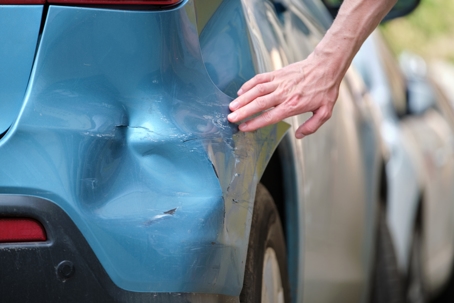
Hit and Run in Florida: How to Track Down the Driver Who Caused Your Fort Myers Car Accident
A hit and run in Florida can leave victims feeling helpless and frustrated. The Florida Department of Highway Safety and Motor Vehicles reported over 100,000 hit-and-run crashes in 2020 alone. This staggering number represents countless victims who are still seeking justice. Your most valuable asset becomes time after someone crashes into your vehicle and flees.
Florida law imposes serious criminal charges on hit-and-run drivers, but authorities need to find them first. Recent cases in Fort Myers have led to arrests through DNA and video evidence. The investigation process requires quick gathering of evidence. You might wonder about proving a hit-and-run case. Even without locating the driver, you could still receive compensation through your insurance.
This detailed guide shows the exact steps after a hit-and-run accident. You'll find ways to collect significant evidence and work effectively with law enforcement to track down the responsible driver. The guide offers practical strategies to protect your rights and get fair compensation, whether you've experienced a vehicle collision or motorcycle accident in Fort Myers.
What is a Hit-and-Run in Florida?
A hit-and-run in Florida happens when someone leaves an accident scene without meeting their legal duties, whatever caused the crash. This law applies to accidents that happen anywhere - public roads or private property.
Definition under Florida law
Florida Statutes § 316.027, 316.061, 316.062, and 316.063 require drivers to stop right away if they're in a crash. You must share your name, address, driver's license, and insurance information with others involved. On top of that, it requires you to offer "reasonable assistance" if someone gets hurt, which could mean calling 911. You can face criminal charges if you don't follow these rules, even when the accident wasn't your fault.
Common scenarios: car, motorcycle, pedestrian
Hit-and-run cases cover more than just cars hitting other cars. Here's what else counts:
Hitting another vehicle (occupied or parked)
Collisions with pedestrians or cyclists
Property damage to mailboxes or fences
Harm to pets (the law sees them as property)
The law calls it a hit-and-run when you bump into a parked car and leave without trying to find its owner or leaving your contact details. Motorcycle riders face bigger risks in these situations, especially given their smaller size and limited protection.
Penalty for hit and run in Florida
Florida's hit-and-run penalties vary based on what happens in the crash:
Property damage only: Second-degree misdemeanor that can lead to 60 days in jail and a $500 fine
Non-serious injuries: Third-degree felony with up to 5 years in prison, a $5,000 fine, and your license gets revoked for at least 3 years
Serious bodily injury: Second-degree felony that could mean up to 15 years behind bars
Fatalities: First-degree felony with a mandatory minimum of 4 years (up to 30 years) in prison and a $10,000 fine
The Aaron Cohen Life Protection Act of 2014 made these penalties tougher. The law honors a cyclist killed by a driver who fled the scene. Florida now has some of the strictest hit-and-run laws you'll find anywhere in the country.
Steps to Take Immediately After a Hit-and-Run
The first few minutes after a hit-and-run crash matter a lot to your safety and future claim. Quick, smart actions can really affect your chances of finding the driver who hit you and protecting your legal rights.
Stay at the scene and ensure safety
Your safety comes first. Move to a safe spot away from traffic if you can. Look for any injuries to yourself or others before doing anything else. Keep your cool to make better choices and avoid any run-ins with the driver who fled if they're still around. Don't chase after the driver who hit you—you could put your life at risk.
Call 911 and report the incident
Call 911 right away, even if the crash seems minor. Tell the dispatcher:
Your exact spot with nearby landmarks or mile markers
Any injuries that need medical help
A quick description of what happened without taking blame
Police will check out the scene and create a vital official record of the hit-and-run. Florida law says you must report any crash with personal injury or property damage over $500.
Document the scene with photos and notes
While you wait for police, capture everything you can:
Take lots of photos showing vehicle damage, road conditions, and the crash scene
Get pictures of street signs, traffic signals, and weather
Record video with sound if possible to catch important details
Note everything you remember about the fleeing vehicle (make, model, color, license plate)
Talk to witnesses and collect contact info
Witnesses are a great way to get an outside look at what happened. Find anyone who saw the crash and:
Get their names, phone numbers, and email addresses
See if they'll give a quick statement
Ask them to stay until police show up if possible
Pittman Law Firm P.L. offers free consultations if you're hurt and need legal help. Their expert team knows how to guide you through the complex aftermath of a hit-and-run while you heal.
How to Gather Evidence to Track the Driver
Your chances of finding the driver responsible increase when you gather proper evidence after a hit-and-run collision. Let's get into the most effective ways to build your case.
What evidence is needed to convict a hit and run
A successful hit-and-run conviction needs multiple types of evidence that work together. Prosecutors must prove the driver's involvement in the crash and that they knowingly left the scene. The strongest evidence has:
Physical vehicle parts (broken lights, mirrors, unique debris)
Paint transfers that match the fleeing vehicle
Vehicle damage analysis showing collision patterns
Eyewitness statements describing the vehicle or driver
Digital evidence placing the suspect at the scene
Using surveillance and dashcam footage
Surveillance footage stands out as one of the most powerful tools in hit-and-run investigations. You might find video evidence from:
Traffic cameras at intersections
Business security systems near the crash site
Residential doorbell cameras
Your own or other drivers' dashcams
Time plays a critical role here. Many systems automatically delete recordings after a set period. You should contact nearby businesses right away to save any footage.
Getting a police report and medical records
Police reports create an official record of the accident. These documents have vital details such as:
Date, time, and location
Law enforcement's first observations
Any early witness statements
Vehicle damage descriptions
Medical records link the hit-and-run directly to your injuries. Quick medical care helps your recovery and strengthens your case with detailed documentation.
How to prove someone hit your car
Quick action and attention to detail build a strong case. You should look for:
Matching damage heights and patterns between vehicles
Paint transfers ready for forensic analysis
Parts with manufacturer markings or serial numbers
Witness accounts of the collision
Vehicle damage and forensic evidence
Scientific examination through forensic analysis can connect a suspect's vehicle to your accident. Damage patterns reveal the collision story—creating what experts call a "mechanical fingerprint." Paint transfer evidence ranks among the most reliable scientific proof in hit-and-run cases.
Small pieces of evidence can make a big difference in investigations. A tiny headlight fragment or unique paint chip might provide the breakthrough evidence needed to identify the vehicle.
Working With Law Enforcement and Insurance
The next big step after gathering evidence is learning how law enforcement and insurance companies deal with hit-and-run cases. Your chances of finding the driver and getting compensation improve when you work well with both groups.
How do police investigate hit and run
Police employ several methods to track down hit-and-run drivers:
They ask witnesses about vehicle details and driver descriptions
They look through surveillance footage from nearby cameras
They break down physical evidence like vehicle parts and paint transfers
They check up on public tips
They search license plate reader records
The hit and run investigation process in Florida
Investigation times can vary by a lot based on several factors. Cases with serious injuries or deaths get more attention and resources. Cases with solid evidence might wrap up quickly, while those with limited leads can stretch for months. Florida law states that misdemeanor hit-and-run charges must be filed within one year. Felony charges can be brought within three to four years.
Filing a claim with your insurance
You should tell your insurance company about the accident within 24 hours. Make sure to hand over all documentation including the police report, photos, and repair estimates. Keep your conversations with adjusters brief and don't admit fault. Pittman Law Firm P.L. offers free consultations to help you through this complex process if you've been hurt in a hit-and-run accident.
Understanding uninsured motorist coverage
Uninsured motorist (UM) coverage is a great way to get protection after hit-and-runs. This optional coverage helps pay for your injuries when nobody can find the driver who caused the accident. UM coverage pays your expenses directly, including medical bills beyond PIP coverage.
When the hit and run driver is caught
Identified drivers face criminal penalties and civil liability. Your insurance company might try to get their money back from the driver through subrogation. On top of that, you can sue for compensation to cover medical expenses, property damage, lost wages, and pain and suffering.
Conclusion
Hit-and-run accidents are common in Florida, but you don't need to handle the aftermath by yourself. Your best defense is to act fast when these tough situations happen. Make sure you're safe, call 911, and collect as much evidence as possible to help track down the driver who fled.
Florida's laws are on your side. Drivers who leave accident scenes face tough penalties. These range from misdemeanors for property damage to felony charges when injuries or deaths occur. Your chances of getting justice improve a lot when you team up with law enforcement.
Strong evidence makes all the difference in hit-and-run cases. You'll want to gather photos, witness statements, police reports, and any available video footage. This package of evidence can help identify the driver who fled. The security cameras from nearby businesses might have captured the whole ordeal or the vehicle leaving the scene.
You still have options even if the driver isn't found. Your uninsured motorist coverage steps in during these situations and helps with medical costs beyond PIP limits. Your insurance company becomes your partner through this process. It's worth mentioning that knowing your policy details ahead of time helps.
If police find the hit-and-run driver, they'll face both criminal charges and civil responsibility. You can then seek money for medical bills, lost wages, property damage, and pain and suffering through a personal injury claim.
Dealing with a hit-and-run might feel overwhelming at first. Taking things step by step and getting professional help will protect your rights. These incidents happen without warning, but your quick response could mean the difference between an unsolved case and getting the justice you deserve.
Key Takeaways
When facing a hit-and-run in Florida, immediate action and proper evidence collection are crucial for tracking down the responsible driver and securing compensation.
• Act immediately after impact: Stay safe, call 911, document everything with photos, and collect witness information within the first critical minutes.
• Gather comprehensive evidence: Surveillance footage, vehicle parts, paint transfers, and forensic analysis create the strongest case for identifying fleeing drivers.
• Understand Florida's strict penalties: Hit-and-run drivers face serious consequences ranging from 60 days jail for property damage to 30 years prison for fatal accidents.
• Leverage uninsured motorist coverage: This optional insurance protection covers your expenses when hit-and-run drivers can't be found or identified.
• Work with professionals: Police investigations combined with experienced legal guidance maximize your chances of finding the driver and recovering full compensation.
Time is your most valuable asset in hit-and-run cases. Florida's tough laws and investigative resources work in your favor, but only when you take swift, documented action and understand your insurance options before filing claims.
FAQs
Q1. How effective are police in tracking down hit-and-run drivers? Police use various methods to track hit-and-run drivers, including analyzing surveillance footage, interviewing witnesses, examining physical evidence, and following up on public tips. While not all cases are solved, these techniques can often lead to successful identification of the responsible driver.
Q2. What should I do immediately after a hit-and-run accident? Immediately after a hit-and-run, ensure your safety, call 911 to report the incident, document the scene with photos and notes, and collect contact information from any witnesses. Do not attempt to chase the fleeing driver, as this could be dangerous.
Q3. Can I use my insurance if the hit-and-run driver isn't found? Yes, if you have uninsured motorist coverage, it can help pay for your injuries and damages even if the hit-and-run driver is not identified. This coverage is particularly valuable in hit-and-run situations.
Q4. What penalties do hit-and-run drivers face in Florida? In Florida, hit-and-run penalties vary based on the accident's outcome. They range from a second-degree misdemeanor for property damage only (up to 60 days in jail and a $500 fine) to a first-degree felony for fatalities (up to 30 years in prison and a $10,000 fine).
Q5. How long do hit-and-run investigations typically take? The duration of hit-and-run investigations can vary significantly. Cases with serious injuries or deaths usually receive higher priority. Well-documented incidents might be resolved quickly, while those with limited evidence can take months. In Florida, there are also legal time limits for filing charges, ranging from one to four years depending on the severity of the offense.
The information on this website is for general information purposes only. Nothing on this site should be taken as legal advice for any individual case or situation. This information is not intended to create, and receipt or viewing does not constitute an attorney-client relationship with Pittman Law Firm, P.L.