
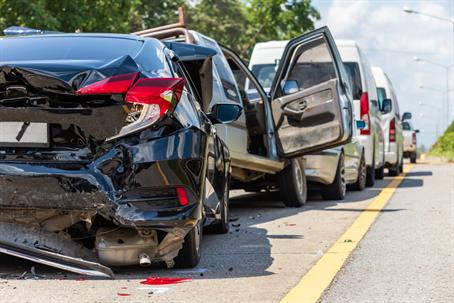
Hit and Run Car Accident in Estero: What To Do in the First 24 Hours
Hit and run Florida accidents occur with alarming frequency, affecting approximately 1 in 4 vehicle crashes across the state. You're suddenly left with damage, possible injuries, and no responsible party in sight. Unfortunately, this scenario is more common than you might think, with thousands of hit and run accidents reported each year across Florida.
According to Florida hit and run law, drivers must stop immediately at any crash scene that results in property damage, injury, or death. While hit and run Florida statute classifies leaving an accident scene involving property damage as a second-degree misdemeanor, accidents involving injuries are treated as felonies. These incidents can be particularly distressing, leaving victims with intense feelings of fear, anger, and confusion.
During the past 5 years, there were close to 516,000 hit and run accidents leading to over 1,250 deaths in Florida. If you've recently experienced such an incident, knowing exactly what to do in the critical first 24 hours can significantly impact your ability to receive compensation and justice. This guide outlines the essential steps you should take immediately after becoming a victim of a hit and run in Florida.
What to Do in the First Hour After a Hit and Run
The immediate aftermath of a hit and run incident requires quick thinking and careful action. Your decisions in the first hour can profoundly impact both your safety and your ability to receive compensation later.
Ensure your safety and check for injuries
Immediately after impact, your primary concern must be safety. If possible, move your vehicle to a secure location away from traffic to prevent additional accidents. Once safe, assess yourself and your passengers for injuries. Remember that adrenaline can mask pain, so conduct a thorough head-to-toe check even if you feel fine.
Some injuries aren't immediately apparent following a collision. What seems like minor discomfort could indicate more serious trauma that manifests hours or days later. Don't dismiss even slight pain or discomfort - these symptoms warrant medical attention.
Call 911 and report the accident
Contact emergency services without delay, even if the damage appears minor. Florida law requires reporting accidents that result in injuries or property damage. When speaking with dispatchers, clearly explain that you've been involved in a hit and run situation.
Remain at the scene until authorities arrive. Leaving prematurely could complicate your case or potentially result in legal issues for you as well. Once officers arrive, provide detailed information about what happened and any details you recall about the fleeing vehicle. Request a copy of the police report - this document serves as crucial evidence for insurance claims and any future legal proceedings.
Do not chase the fleeing driver
Despite the natural urge to pursue the driver who hit you, this is extremely dangerous and strongly advised against. Chasing a hit and run driver creates numerous risks:
You might cause another accident or worsen existing injuries
You could face reckless driving charges yourself
The fleeing driver may be unpredictable or dangerous
You would be leaving the accident scene, which is itself illegal
You might miss gathering critical evidence or witness statements
Instead of pursuing, focus on documenting as much information as possible about the vehicle that struck you - make, model, color, and partial license plate if visible. This information helps authorities locate the responsible party through proper channels.
How to Document the Scene Effectively
Proper documentation after a hit and run becomes critical evidence for insurance claims and identifying the responsible driver. Consequently, knowing exactly what to capture can make the difference between recovering damages or paying out-of-pocket.
Take photos and videos of the damage
Thorough documentation begins immediately at the scene. Using your smartphone, capture multiple angles of your vehicle damage, including close-ups of dents, broken glass, and any paint transfer that might help identify the fleeing car. Furthermore, photograph the accident scene itself, including:
Street signs and traffic signals
Skid marks and debris on the road
Road conditions (wet pavement, potholes, etc.)
Your vehicle's position before moving it
Video recordings provide valuable perspective that still photos might miss. "Video from your phone is a good idea for documenting the accident scene, particularly to show perspective. However, nothing compares to dashcam video. Dashcam video does not lie, and when it is available, it is often the most compelling piece of evidence in a case".
Look for witnesses and get their contact info
Eyewitnesses provide unbiased accounts that substantially strengthen your case. Many won't wait around for police, making it essential to approach them quickly. Collect their:
Full name
Phone number and email
Home address
Brief written statement, if possible
"Witnesses can play a critical role in hit-and-run cases. If there were people present who saw the accident, their accounts and descriptions could significantly bolster your case".
Check for nearby surveillance or traffic cameras
Modern surveillance systems have become valuable allies in hit and run investigations. Look around for potential video sources:
Traffic cameras at intersections may capture crucial details about the fleeing vehicle. Nearby businesses—especially gas stations, restaurants, and retail stores—often have exterior cameras monitoring parking lots and streets. Residential doorbell cameras have become increasingly common and might have recorded the incident.
Video evidence can capture license plates, vehicle descriptions, and even driver details—providing irrefutable proof that helps authorities track down the responsible party.
Using Technology to Strengthen Your Case
Modern technology offers powerful tools for hit and run victims in Florida. Leveraging these digital resources promptly can dramatically strengthen your case and increase chances of identifying the responsible party.
Save dashcam footage immediately
Dashcam evidence provides indisputable proof of what occurred during a hit and run incident. If equipped with a dashcam, act quickly to preserve this crucial evidence. Most dashcams use loop recording that overwrites older footage when storage fills up. Immediately back up the video to an external hard drive, USB device, or cloud storage to prevent loss. Additionally, save several minutes before and after the collision to establish context and vehicle behavior patterns.
Use accident documentation apps
Several specialized apps can guide you through post-accident documentation:
CamOnRoad: Functions as a dashboard camera, recording driving activity that could prove fault in a collision
AxiKit: Walks you through collecting evidence, including built-in tools for recording witness statements and a photo checklist
iWrecked: Helps gather accident information, store insurance details, and generate PDF accident reports
SOSmart: Offers crash-detection monitoring and automatically contacts emergency services after detecting a collision
Record witness statements digitally
Modern smartphones excel at capturing witness accounts. Most accident documentation apps include voice recording features specifically designed for collecting eyewitness testimony. These digital recordings preserve tone and exact wording, creating more reliable evidence than written statements alone. This technology is particularly valuable in hit and run Florida cases where witness details about the fleeing vehicle could lead to identification.
Understanding Florida Laws and Insurance Coverage
Florida's legal framework establishes strict regulations for hit and run incidents, creating important protections for victims seeking justice and compensation.
What Florida hit and run laws say
Under Florida law, drivers involved in accidents must stop immediately at the scene, regardless of whether the crash occurs on public or private property. This legal obligation applies to all accidents resulting in property damage, injury, or death. The Aaron Cohen Life Protection Act, named after a cyclist killed by a hit and run driver in 2012, strengthened these laws in 2014.
Is a hit and run a felony in Florida?
The severity of penalties depends on the outcome of the accident:
Property damage only: Second-degree misdemeanor punishable by up to 60 days in jail and a $500 fine
Injuries: Second or third-degree felony with license revocation for at least 3 years, up to 5 years imprisonment, and a $5,000 fine
Fatalities: First-degree felony with mandatory minimum 4-year prison sentence (up to 30 years) and a $10,000 fine
How PIP and UM coverage work
Since Florida is a no-fault state, your Personal Injury Protection (PIP) covers 80% of medical expenses regardless of who caused the accident. Uninsured Motorist (UM) coverage treats hit and run drivers as uninsured motorists, helping with expenses beyond PIP limits.
Why you should avoid giving statements without legal advice
Insurance adjusters often frame questions to trap you into admissions that could undermine your claim. Recorded statements are legally binding evidence, thus any inconsistencies or accidental admissions of fault can drastically reduce compensation.
Conclusion
Hit and run accidents create a particularly stressful situation for victims throughout Florida. Nevertheless, your actions in the first 24 hours after such an incident significantly impact your ability to receive fair compensation and justice. First and foremost, prioritize your safety and well-being by seeking medical attention, even for seemingly minor injuries. Additionally, proper documentation through photographs, videos, and witness statements forms the backbone of a strong case.
Technology certainly serves as a powerful ally in hit and run situations. Dashcam footage, surveillance videos, and specialized accident documentation apps provide compelling evidence that can help identify the fleeing driver. Therefore, make sure to secure this digital evidence immediately before it disappears.
Understanding Florida's legal framework regarding hit and run incidents is equally important. The state's no-fault insurance system means your Personal Injury Protection (PIP) coverage will handle initial medical expenses regardless of who caused the accident. Uninsured Motorist coverage, meanwhile, offers additional protection when the at-fault driver cannot be found.
Last but not least, remember that consulting with an experienced attorney before speaking to insurance companies protects your interests. Insurance adjusters often ask questions designed to minimize your claim, which makes professional legal guidance invaluable. While the aftermath of a hit and run accident feels overwhelming, taking these methodical steps during the critical first 24 hours puts you in the strongest possible position to recover physically, financially, and emotionally from this unfortunate experience.
Key Takeaways
If you're a hit and run victim in Florida, these critical first 24-hour actions can make or break your case for compensation and justice:
• Prioritize safety first: Move to a secure location, assess injuries thoroughly, and call 911 immediately - never chase the fleeing driver as this creates dangerous risks and legal complications.
• Document everything digitally: Take photos/videos of damage from multiple angles, collect witness contact information quickly, and check for nearby surveillance cameras that may have captured the incident.
• Preserve technology evidence: Save dashcam footage immediately to prevent overwriting, use accident documentation apps to guide evidence collection, and record witness statements digitally for stronger proof.
• Understand Florida's legal protections: Hit and run penalties range from misdemeanors to felonies based on damage severity, while your PIP and Uninsured Motorist coverage provide financial protection regardless of fault.
• Avoid insurance traps: Never give recorded statements to insurance adjusters without legal counsel, as these can be used against you to minimize your compensation claim.
The first 24 hours after a hit and run are crucial for building a strong case. Proper documentation, leveraging technology, and understanding your legal rights under Florida law significantly increase your chances of receiving fair compensation and holding the responsible party accountable.
FAQs
Q1. What should I do immediately after a hit-and-run accident in Florida? First, ensure your safety and check for injuries. Call 911 to report the accident and get medical help if needed. Don't chase the fleeing driver. Instead, try to remember details about the vehicle and document the scene by taking photos and videos of the damage.
Q2. How long do I have to report a hit-and-run accident in Florida? You should report the accident to the police immediately. However, if you couldn't do so at the scene, you must report it within 10 days if the accident caused over $500 in damage, serious injury, or death. Prompt reporting helps protect your legal rights.
Q3. Will the police investigate a hit-and-run accident? Yes, law enforcement agencies in Florida are required to investigate all reported hit-and-run incidents. They will gather evidence from the scene, review surveillance footage if available, and collect witness statements. The extent of the investigation may vary depending on the severity of the accident and available evidence.
Q4. How does insurance coverage work for hit-and-run accidents in Florida? As Florida is a no-fault state, your Personal Injury Protection (PIP) coverage will cover 80% of your medical expenses, regardless of who caused the accident. Additionally, if you have Uninsured Motorist (UM) coverage, it can help with expenses beyond PIP limits, treating hit-and-run drivers as uninsured motorists.
Q5. Should I give a statement to insurance companies after a hit-and-run? It's advisable to avoid giving statements to insurance adjusters without legal advice. Insurance companies may ask questions designed to minimize your claim, and any recorded statements can be used as legally binding evidence. Consulting with an experienced attorney before speaking to insurance companies can help protect your interests and ensure fair compensation.
The information on this website is for general information purposes only. Nothing on this site should be taken as legal advice for any individual case or situation. This information is not intended to create, and receipt or viewing does not constitute an attorney-client relationship.