
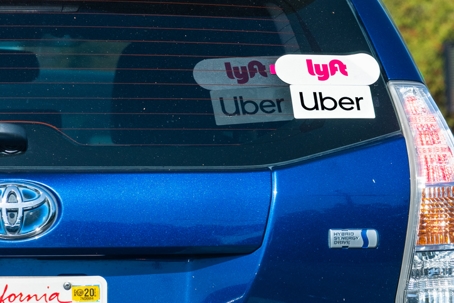
Your Step-by-Step Guide to Fort Myers Uber or Lyft Rideshare Accident Claims
Rideshare accidents are happening more frequently across Fort Myers as Uber and Lyft services continue to expand throughout Florida. Whether you were a passenger, the driver, or another motorist caught up in one of these crashes, dealing with what comes next can leave you feeling lost and frustrated.
Florida law requires all Uber and Lyft drivers to carry liability insurance, but here's what makes these cases tricky: rideshare insurance coverage changes completely depending on what the driver was doing when the accident happened. Companies like Uber may provide up to $1 million in liability coverage, but getting access to that money often means fighting through complicated policies and red tape that most people don't understand.
We've put together this guide to walk you through exactly what you need to know if you've been hurt in a Fort Myers rideshare accident. From the moment the crash happens to filing your claim and fighting for fair compensation, we want you to understand your rights and know what steps to take. Don't let yourself get overwhelmed by this complex process when you could have experienced legal support fighting for you every step of the way.
Understanding Rideshare Accidents in Fort Myers
Fort Myers has embraced rideshare services as a convenient way to get around, but when accidents happen, most people have no idea what they're actually dealing with or how different these cases are from regular car crashes.
What qualifies as a rideshare accident?
A rideshare accident happens anytime an Uber or Lyft driver's vehicle gets into a crash. But here's where it gets complicated - the type of coverage available depends entirely on what the driver was doing at that exact moment. There are three different situations:
Offline: The driver isn't logged into the rideshare app, so this becomes a regular personal car accident
App On, No Passenger: Driver is online waiting for rides, which activates some rideshare coverage but not much
Passenger Onboard: Once a ride is accepted or you're in the car, the company's full commercial coverage kicks in
Common causes of Uber/Lyft crashes
Rideshare drivers deal with pressures that regular drivers don't face, and these often lead to dangerous situations on Fort Myers roads:
Distracted driving: Constantly looking at their phones for new ride requests, trying to follow GPS directions to unfamiliar places, and typing information while driving
Fatigue: Most drivers work long shifts or drive for rideshare companies on top of their regular jobs
Speeding: The more rides they complete, the more money they make, so many drivers rush between pickups
Inexperienced drivers: Anyone with a regular license can start driving for these companies, even if they've never transported paying passengers before
Poor vehicle maintenance: Some drivers skip important repairs to keep their cars on the road and earning money
Rideshare accidents in Fort Myers have been increasing each year as more drivers hit the roads.
Why these cases are more complex than regular car accidents
Unlike a typical car accident, rideshare cases can involve multiple insurance companies, all trying to avoid paying your claim. The coverage shifts between the driver's personal insurance, the rideshare company's backup coverage, and their commercial policy - depending on what was happening when you got hurt.
Rideshare companies also classify their drivers as independent contractors, not employees, which limits how much responsibility they'll accept for accidents. This means you could be dealing with the driver's personal insurance (which usually excludes rideshare activities), the company's contingent coverage, or their full commercial policy - and figuring out which one applies requires understanding exactly what the driver was doing.
What makes this even more frustrating is that both the personal insurance companies and the rideshare companies will often point fingers at each other, each trying to minimize what they have to pay you. You end up caught in the middle while your medical bills pile up.
That's why these cases require understanding both Florida's no-fault insurance laws and the specific terms buried in the rideshare company's policies.
What You Need to Do Right After a Rideshare Accident
The steps you take right after a rideshare accident can make or break your case. What you do in those first few minutes matters more than you realize - and we've seen too many people hurt their chances of fair compensation because they didn't know what to do.
1. Get to safety and call 911
First things first: get yourself and others out of harm's way if you can move safely. Turn on your hazard lights so other drivers can see you. Check if anyone is hurt - including yourself. Even if the accident looks minor, call 911 immediatelyfor police and paramedics. This emergency call creates an official record that becomes crucial evidence for your claim later.
2. See a doctor right away
Here's something most people don't realize: you might be seriously injured even if you feel fine right now. Medical evaluation can't wait. Injuries like whiplash, concussions, and internal damage often don't show symptoms until hours or days later. Getting checked by a doctor immediately creates medical records that link your injuries directly to the accident. Never refuse medical help at the scene - your health comes first, and these records become powerful evidence for your case.
3. Report the crash to the rideshare company
Both Uber and Lyft make you report accidents through their apps. With Uber, go to your trip history, find the ride, hit "Help" or "Report an Issue," then "Report a Safety Issue" and fill out the form. For Lyft, check your ride history, pick the trip, click "Get Help," then "Report an Accident". Stick to the facts when you fill this out - don't guess about who was at fault or say your injuries aren't serious.
4. Document everything at the scene
Take pictures of everything you can see. Document the accident scene with photos of car damage, road conditions, traffic lights, and any visible injuries. Get shots of license plates and anything else that shows what happened. Collect contact information from everyone involved - the rideshare driver, other drivers, and anyone who saw the accident. You'll need names, phone numbers, addresses, insurance information, and vehicle details. This evidence becomes incredibly valuable when fighting for your compensation.
5. Make sure police file a report
Don't just call 911 - make sure the officers actually write up an official police report. This report gives an unbiased account of what happened and includes statements from everyone involved. Get the report number before you leave so you can get a copy later. Police reports often include the officer's opinion about what caused the accident, which can help prove who was at fault. This official documentation serves as critical evidence for your claim.
Understanding Florida Rideshare Insurance
Insurance coverage for rideshare accidents works differently than your regular car accident claim. The coverage you can access depends entirely on what the rideshare driver was doing when the crash happened , and that makes these cases much more complicated than you might expect.
How does rideshare insurance work in Florida?
Florida's rideshare insurance system changes completely based on whether the driver had their app turned on, whether they had accepted a ride, and whether you were actually in the car. Unlike your standard auto insurance, rideshare coverage involves multiple layers of protection that kick in at different times. This means figuring out which insurance company is responsible requires knowing exactly what the driver was doing at the moment of the crash.
Here's something important to understand: personal auto policies typically exclude coverage for commercial activities like ridesharing. That's why Florida law requires rideshare drivers to carry higher insurance limits than regular drivers.
Coverage based on driver's app status
Rideshare insurance coverage works in three phases that determine how much protection is available:
Phase 1 (App on, waiting for request): When the driver is logged into the app but hasn't accepted a ride yet, you're looking at limited coverage—$50,000 per person and $100,000 per accident for bodily injuries, plus $25,000 for property damage.
Phase 2 (Ride accepted): Once a driver accepts your ride request, the coverage increases substantially.
Phase 3 (Passenger in vehicle): When you're actually in the car or the driver is heading to pick you up, maximum coverage applies—including USD 1 million in liability protection.
What happens if an uninsured driver hits you?
If an uninsured driver causes your rideshare accident, your protection varies depending on which phase the rideshare driver was in. During Phases 2 and 3, Uber provides uninsured/underinsured motorist coverage equal to at least $1 million in Florida. But here's a problem: Lyft has reportedly removed its uninsured motorist coverage in Florida, which could leave you with gaps in protection.
What you need to know about Uber's $1 million policy
Uber's million-dollar policy only becomes active once a driver accepts your ride request. This coverage protects you from third-party injuries and property damage claims. The policy stays active throughout your entire trip until the driver drops you off.
Filing a Claim and Seeking Compensation
After a rideshare accident involving Uber or Lyft, getting the money you deserve means knowing when and how to file your claim the right way. Time matters more than you might think - evidence disappears fast and witnesses forget important details.
When to file a rideshare accident claim
Most states give you two to three years to file a rideshare accident claim, although some claims against government entities have deadlines as short as six months. Here's what you need to know about Florida: the statute of limitations allows up to two years from the date of the accident to file a personal injury claim. Don't wait around thinking you have plenty of time. Filing your claim quickly helps preserve the evidence you need and protects your right to get paid.
What damages can you recover?
When you've been hurt in a rideshare accident, you shouldn't have to pay for someone else's mistakes. You can seek compensation for:
Medical expenses (current and future)
Lost wages due to inability to work
Pain and suffering
Property damage
Punitive damages in cases of extreme negligence
How much you can recover depends on how badly you were injured and the specific details of your case. We understand that being injured in an accident can have a major impact on your life, and our team is ready to fight for you. If you have been injured in an accident and need a lawyer, call Pittman Law Firm, P.L. today for a free consultation.
How a rideshare accidents lawyer in Fort Myers can help
A Fort Myers rideshare accident attorney will dig into your case, figure out who's really at fault, and calculate what you deserve to be paid. We handle all the complicated insurance paperwork, deal with the adjusters who try to lowball you, and fight to get you every dollar you're owed. Sometimes multiple parties share the blame, and we'll identify every possible source of recovery.
We work on a contingency fee basis, meaning there is no fee unless we win your case.
When to consider a rideshare accident lawsuit
You might need to file a lawsuit when:
Your damages exceed policy limits
Serious injuries require higher compensation
Multiple parties share responsibility
Don't let insurance companies push you around. Trust us to be prepared and fight for your right to receive full compensation for you and your loved ones.
Does Uber cover car accidents if the driver is off-duty?
The answer is simple: no. When the driver is offline or just using their car for personal stuff, Uber won't pay a dime. Your only option becomes the driver's personal auto insurance. Here's the problem - most personal policies specifically exclude commercial activities, which means you might be looking at minimal coverage or nothing at all.
Getting the Help You Deserve After a Rideshare Accident
Dealing with a Fort Myers rideshare accident isn't something you should have to figure out on your own. These cases are different from regular car crashes, and the insurance companies know that most people don't understand how complicated the coverage rules can be.
What you do right after the accident matters. The steps we've outlined - from getting medical care to documenting everything - can make the difference between getting fair compensation and getting stuck with bills you shouldn't have to pay. Don't let anyone tell you to "wait and see" how you feel or that you don't need a police report for a "minor" crash.
The insurance game changes completely depending on whether that Uber or Lyft driver had the app on, had accepted a ride, or was carrying a passenger. That's not information most people know, and the insurance companies count on that confusion to pay out less than they should.
Here's what we've learned after handling these cases: rideshare companies and their insurers don't make it easy. They have teams of people whose job is to find reasons to deny claims or offer settlements that don't come close to covering what you're really owed. They're betting that you'll get frustrated and take whatever they offer just to make it go away.
We understand that being injured in an accident can have a major impact on your life, and our team is ready to fight for you. You don't have to accept the first offer that comes your way. You don't have to try to make sense of multiple insurance policies while you're trying to recover from your injuries.
If you've been hurt in a rideshare accident in Fort Myers, contact Pittman Law Firm, P.L. today for a free consultation. We work on a contingency fee basis, meaning there is no fee unless we win your case. Don't let yourself become another case number at a large firm - you deserve personal attention during this difficult time.
Key Takeaways
Understanding rideshare accident claims in Fort Myers requires navigating complex insurance layers and taking immediate protective actions to secure fair compensation.
• Act immediately after the accident: Call 911, seek medical attention even if you feel fine, and document everything with photos and witness information to strengthen your claim.
• Rideshare insurance coverage depends on driver status: Coverage ranges from minimal protection when the app is on but no ride accepted, to $1 million when passengers are onboard.
• File your claim within Florida's two-year statute of limitations: Don't wait—evidence disappears quickly and early action preserves your right to compensation for medical expenses, lost wages, and pain and suffering.
• Consider legal representation for complex cases: Rideshare companies resist paying fair settlements, making experienced attorneys valuable for navigating multiple insurance policies and maximizing compensation.
• Personal insurance won't cover off-duty rideshare accidents: If the driver wasn't logged into the app, Uber/Lyft provides no coverage, leaving you dependent on potentially inadequate personal auto policies.
Rideshare accidents involve multiple parties, shifting liability, and specialized knowledge of both Florida law and company policies—making professional legal guidance often essential for securing the compensation you deserve.
FAQs
Q1. What should I do immediately after a rideshare accident in Fort Myers? First, ensure everyone's safety and call 911. Seek medical attention even if you feel fine, as some injuries may not be immediately apparent. Report the accident to the rideshare company through their app, collect evidence and witness information, and file a police report.
Q2. How does insurance coverage work for rideshare accidents in Florida? Insurance coverage for rideshare accidents in Florida depends on the driver's app status. When the app is on but no ride is accepted, there's limited coverage. Once a ride is accepted or a passenger is in the vehicle, higher coverage limits apply, including up to $1 million in liability protection.
Q3. How long do I have to file a rideshare accident claim in Florida? In Florida, you have up to two years from the date of the accident to file a personal injury claim for a rideshare accident. However, it's advisable to file as soon as possible to preserve evidence and protect your right to compensation.
Q4. What types of compensation can I recover from a rideshare accident claim? You may be able to recover compensation for medical expenses (current and future), lost wages, pain and suffering, property damage, and in some cases of extreme negligence, punitive damages. The amount recoverable depends on the severity of your injuries and the specific details of your case.
Q5. Does Uber or Lyft provide coverage if the driver is not actively using the app? No, if the rideshare driver is offline or using their vehicle for personal purposes, neither Uber nor Lyft provides coverage. In this scenario, the driver's personal auto insurance becomes the primary coverage, which may not cover commercial activities like ridesharing.
The information on this website is for general information purposes only. Nothing on this site should be taken as legal advice for any individual case or situation. This information is not intended to create, and receipt or viewing does not constitute an attorney-client relationship with Pittman Law Firm, P.L.