
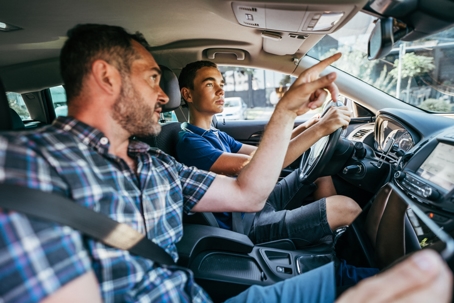
Teen Driver Alert: Most Dangerous Driving Habits Causing Fort Myers Car Accidents
Six teens die in car accidents every single day across the United States. Teenage car accidents represent the leading cause of death for young people aged 15 to 18. The National Highway Traffic Safety Administration reports that drivers between 16 and 19 face fatal accident rates three times higher than drivers 20 and older. These aren't just numbers – they represent families torn apart by preventable tragedies.
Florida's roads tell an equally heartbreaking story. Teen drivers caused 60,135 crashes in 2019 alone, resulting in 279 deaths and 2,200 serious injuries. When you consider that distracted driving led to 277 deaths out of Florida's 3,396 total motor vehicle fatalities – representing 8.3% of all nationwide deaths – the scope of this crisis becomes clear. Behind every statistic stands a devastated family who never imagined their child wouldn't come home.
The pattern behind these crashes is disturbingly predictable. Inexperience combines with dangerous habits to create deadly outcomes. Your teen might speed aggressively, refuse to buckle up, or think they can text while driving. Each time they take their eyes off the road to answer that message, adjust the radio, or laugh with friends, they risk everything.
We want to help you protect your teenager before tragedy strikes. This guide reveals the most dangerous driving habits causing Fort Myers teen accidents, explains why young drivers face such extreme risks, and shows you proven methods to keep your family safe. Understanding these dangers today could save your teen's life tomorrow.
Fort Myers Teen Drivers Face Deadly Odds Every Day
Florida ranks sixth in the nation for fatal teen crashes. Our state records 59 fatal crashes per 100,000 young licensed drivers—a rate 48% higher than the national average. When your teenager gets behind the wheel anywhere in the Sunshine State, they face significantly more danger than teens in most other states.
The Numbers Tell a Heartbreaking Story
More than 679,000 drivers between 15 and 20 hold Florida licenses. Over five years, fatal crashes involving these young drivers averaged 403 annually. Just one recent year brought 82,447 teen crashes resulting in 102 teen driver deaths and 38 teen passenger fatalities. The following year proved even worse: 84,052 crashes killed 350 teens and seriously injured 1,935 more.
Why Teen Crashes Happen So Often
Here's what makes these statistics particularly alarming: teenagers represent only 5% of Florida's licensed drivers, yet they account for 7% of all motor vehicle deaths. Per mile driven, teen crash rates run nearly three times higher than adult drivers. Your teenager doesn't have to drive much to face serious risk.
Recent Tragedies Hit Close to Home
Fort Myers families know this danger isn't theoretical. Last July, an 18-year-old Fort Myers woman lost her life when her SUV failed to handle a curve on Hancock Bridge Parkway. The vehicle overturned and struck a tree. Two other teens walked away with minor injuries, but she didn't come home.
Another local family faced even worse devastation. An 18-year-old driver ran a red light on Gladiolus Drive while speeding 85-87 mph in a 45 mph zone. His 17-year-old passenger died in the crash as they headed to South Fort Myers High School. Neither teen wore a seatbelt. The driver now faces vehicular homicide and reckless driving charges.
Lee County troopers have already reported more than 55 traffic deaths this year. Teen drivers contribute significantly to this deadly count.
The Four Deadly Habits Destroying Teen Lives on Fort Myers Roads
Research reveals a disturbing pattern. Four dangerous behaviors appear again and again in teen crash reports. These habits turn routine drives into life-or-death situations.
1. Distracted Driving: When Phones Become Weapons
Nearly 60% of teen crashes involve distraction. That text message your teenager thinks they must answer immediately? Texting while driving increases crash risk by 23 times. Picture this: at highway speeds, reading a text forces your teen to drive the length of a football field completely blind.
Friends make the danger worse. Teen drivers become two-and-a-half times more likely to take risks with just one passenger in the car. Add more friends? The risk triples. Each additional teenage passenger dramatically increases the chance of a fatal crash.
2. Speeding: The Need for Speed That Kills
Speed kills, and teens can't resist the thrill. 30% of fatal teen crashes involve speeding. Male teens particularly struggle with this temptation - 35% of those killed in crashes were speeding, compared to 18% of females.
Fort Myers families have paid the ultimate price. One local 18-year-old hit 85-87 mph in a 45 mph zone before running a red light and killing his 17-year-old passenger. Another horrific crash took five Fort Myers teens when their vehicle reached 70-75 mph in a 25 mph zone before plunging into a retention pond.
3. Alcohol and Drugs: Impairment Hits Teens Harder
Alcohol affects teen drivers more severely than adults, even at lower blood alcohol levels. The statistics tell a grim story: 29% of drivers aged 15-20 who died in crashes had been drinking. Teens aged 21-24 show the highest percentage of drunk driving with a BAC of .08 or higher.
4. Ignoring Seat Belts: The Simple Step That Saves Lives
More than half of teen crash victims weren't buckled up - 56% of teens killed in 2020 crashes failed to wear seat belts. This deadly pattern continues right here in Fort Myers, where both the driver and passenger in the fatal Gladiolus Drive crash were unbuckled.
The solution is simple, yet teens keep ignoring it. Seat belts save lives - but only when teens actually use them.
Why Your Teen Faces Such Extreme Risks Behind the Wheel
Even responsible teenagers face dangers that experienced drivers never encounter. Understanding these unique vulnerabilities helps explain why teenage car accidents remain alarmingly common despite your best efforts to teach safe driving.
Inexperience Creates Blind Spots You Can't Imagine
Your teen crashes at four times the rate of adult drivers per mile driven. This isn't because they're reckless – it's because they simply haven't seen enough road situations to react properly. During those critical first months after getting licensed, crash risk peaks dramatically. Sixteen-year-olds experience 1.5 times more crashes per mile than even 18-19-year-olds.
Think about how your teen approaches driving versus how you do. While you instinctively scan the horizon and use peripheral vision to spot potential hazards, novice drivers focus primarily on lane markings directly in front of their vehicle. This tunnel vision proves deadly. Research shows that 43% of newly licensed teens crash at least once during simulated driving tests – before they even face real-world conditions.
Their Developing Brain Works Against Safe Driving
Here's what most parents don't realize: your teenager's brain won't fully mature until their early twenties. The emotional center (amygdala) develops first, while the reasoning and impulse control center (prefrontal cortex) develops much later. Your teen literally thinks with their emotions rather than logic when facing split-second driving decisions.
This brain development pattern makes teens more likely to act impulsively, misread social situations, and take dangerous risks. Their developing executive function also limits their ability to juggle multiple tasks – like steering while monitoring traffic and managing passengers. What seems like rebellious behavior might actually be biological reality.
Friends Turn Cars Into Danger Zones
Peer pressure doesn't just influence what clothes your teen wears – it controls how they drive. Young drivers with just one teenage passenger become 2.5 times more likely to engage in risky behaviors. Add multiple friends, and that risk triples.
Researchers call this phenomenon "the perfect storm" – your teen's desperate need for social acceptance collides with peer expectations in a confined, high-stakes environment. Even when friends don't explicitly encourage dangerous driving, teens feel pressure to show off or impress their passengers. Your responsible teenager suddenly faces an impossible choice: disappoint their friends or risk everyone's life.
Hope Exists: Proven Ways to Keep Your Teen Safe Behind the Wheel
The good news? These tragedies don't have to happen. Evidence-based prevention strategies can dramatically reduce teenage car accidents and save hundreds of young lives each year.
Graduated Driver Licensing programs work
GDL systems guide teens through three careful phases: learner's permit, intermediate license, and full license. The results speak for themselves. The most comprehensive GDL programs reduce fatal crashes by 38% and injury crashes by 40% among 16-year-old drivers. Every state now uses some form of GDL system.
These programs recognize what parents instinctively know – your teenager needs time to develop driving skills safely.
Your involvement makes the difference
Parental monitoring saves lives. Tracking apps give you real-time location updates and detailed driving reports that highlight speeding or hard braking incidents. The proof is compelling: 87% of parents using tracking apps see immediate improvements in their teen's driving behavior. These tools create opportunities for meaningful conversations based on facts, not arguments.
Don't underestimate your influence. Your teenager needs your guidance now more than ever.
Professional training builds confidence
Simulation training exposes teens to dangerous situations without putting them at risk. Fort Myers families can enroll their teens in programs like the Teen Driver Challenge, which combines professional driving techniques with interactive crash simulators.
Think of it as insurance for your peace of mind.
Technology can be your ally
Advanced Driver Assistance Systems could prevent up to 78% of fatal teen crashes. Automatic emergency braking alone reduces teen accidents by 50%, compensating for inexperienced drivers' slower reactions. Many vehicles now include teen driver systems that limit speeds and send parents detailed driving reports.
Every safety feature matters when it's your child behind the wheel.
We Understand Your Fears – And We're Here to Help
Teen driving accidents remain a heartbreaking reality across Fort Myers and Florida. The dangers we've discussed – from distracted driving to peer pressure – create what experts call "the perfect storm" for young drivers. When you combine inexperience with developing brains and social pressures, the results can be devastating.
The four deadly habits we've explored tell a clear story:
Distracted driving dominates teen crashes
Speed kills more teens than any other single factor
Impaired driving affects teens differently than adults
Seatbelt neglect turns survivable crashes into tragedies
Yet behind these sobering realities lies hope. Graduated Driver Licensing programs work, reducing fatal crashes by 38%when properly implemented. Your involvement as a parent makes the difference – monitoring apps, driving contracts, and honest conversations about risks can save your teenager's life.
Prevention remains your strongest defense, but accidents still happen. When they do, you need someone who understands the unique challenges families face after a crash. At Pittman Law Firm, P.L., we treat every case like we were handling it for a family member. We understand that being injured in an accident can have a major impact on your life, and our team is ready to fight for you.
If you or your teen has been injured in an accident, don't face this alone. Call us for a free consultation. We work on a contingency fee basis, meaning there is no fee unless we win your case. Proper legal guidance can make all the difference in your family's recovery.
Your teen's safety depends on the actions you take today. Whether that means having difficult conversations, installing monitoring apps, or seeking legal help after an accident, your involvement could prevent the next tragedy. The statistics don't have to include your family's story.
Key Takeaways
Teen driving accidents are a critical safety issue in Fort Myers, with preventable behaviors and developmental factors creating deadly risks on the road.
• Teen drivers face triple the fatal crash risk - Drivers aged 16-19 have three times higher accident rates than adults, with Florida ranking 6th nationally for teen driving fatalities.
• Four deadly habits dominate teen crashes - Distracted driving (60% of crashes), speeding (30% of fatalities), impaired driving, and not wearing seatbelts cause most teen accidents.
• Brain development creates vulnerability - Teens' underdeveloped prefrontal cortex impairs decision-making while peer pressure amplifies risky behaviors behind the wheel.
• Graduated licensing programs save lives - Comprehensive GDL systems reduce fatal crashes by 38% and injury crashes by 40% among 16-year-old drivers.
• Parental monitoring dramatically improves safety - 87% of parents using tracking apps report better teen driving behavior, while driving contracts establish clear expectations.
The combination of inexperience, biological factors, and risky behaviors makes teen driving particularly dangerous, but proven prevention strategies can significantly reduce accidents and save lives in Fort Myers communities.
FAQs
Q1. What is the primary cause of accidents involving teenage drivers in Fort Myers? Distracted driving is the leading cause, with nearly 60% of teen crashes involving some form of distraction such as using phones, adjusting music, or interacting with passengers.
Q2. How much higher is the crash risk for teen drivers compared to older drivers? Teen drivers aged 16 to 19 have a fatal accident rate three times higher than drivers aged 20 and older. This increased risk is due to factors like inexperience and risky behaviors.
Q3. What role does brain development play in teen driving accidents? The teenage brain is still developing, particularly the prefrontal cortex responsible for decision-making and impulse control. This can lead to more emotional reactions and risky behaviors while driving.
Q4. How effective are Graduated Driver Licensing (GDL) programs in reducing teen accidents? GDL programs have shown significant success, with the most comprehensive systems reducing fatal crashes by 38% and injury crashes by 40% among 16-year-old drivers.
Q5. What can parents do to help improve their teen's driving safety? Parents can use monitoring apps to track driving behavior, create driving contracts with clear expectations, and actively participate in their teen's driver education. Nearly 87% of parents using tracking apps report improved teen driving behavior.
The information on this website is for general information purposes only. Nothing on this site should be taken as legal advice for any individual case or situation. This information is not intended to create, and receipt or viewing does not constitute an attorney-client relationship with Pittman Law Firm, P.L.