
What to Do After a Car Accident on Alligator Alley: Your Emergency Guide (2026)
Nearly 45% of crashes on Alligator Alley happen because drivers simply aren't being careful enough. This notorious 100-mile stretch through the Florida Everglades, also known as I-75, has earned its dangerous reputation for good reason – and the statistics prove it.
When smoke or fog rolls across this highway, you're facing life-threatening conditions. A recent fatal crash involving multiple semi-trucks shut down miles of southbound lanes, showing just how quickly things can turn deadly out there.
The accident started when one truck driver stopped in the travel lane due to poor visibility, creating a chain reaction that involved seven vehicles. What's even more alarming? Since the road expanded from two lanes to four, crash rates have jumped from 30% to nearly 45%.
Don't Get Hit Twice! If you find yourself in an accident on this dangerous stretch, knowing exactly what to do could save your life and protect your legal rights. We understand that being involved in a crash can have a major impact on your life, especially on a remote highway like Alligator Alley where help may be far away.
This emergency guide gives you the step-by-step instructions you need during those critical moments after a crash. From immediate safety measures to essential documentation, we'll help you handle everything the right way so you can focus on what matters most – your recovery and your family's well-being.
What Makes Alligator Alley a High-Risk Zone
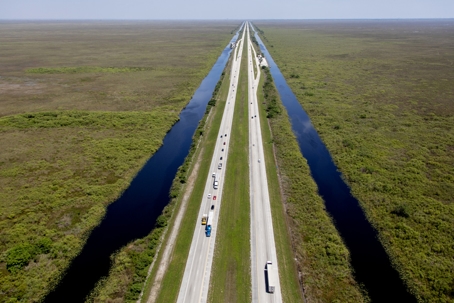
Running through the northern tip of the Everglades, Alligator Alley creates unique dangers that make it one of Florida's most hazardous roadways. This 100-mile corridor connects Naples to Weston with straight, monotonous driving that tests even experienced motorists.
Low Visibility From Smoke and Fog
Poor visibility ranks as the most life-threatening hazard on this stretch of I-75. A recent multi-vehicle pileup happened when a Miami truck driver stopped his semi in the travel lane because visibility had dropped dangerously low from smoke in the area. This triggered a chain reaction crash involving three commercial trucks and four passenger vehicles.
The real danger comes from "super fog" – an extremely dense combination of smoke and moisture-saturated air that can reduce visibility to near zero. This deadly phenomenon occurs when:
- Smoke from prescribed burns mixes with humid air
- Temperature inversions trap smoke close to the ground
- Overnight conditions create the perfect environment for dense fog
This deadly combination has caused multiple fatal accidents, including a recent incident that closed the interstate for more than 8 hours.
High-Speed Traffic and Limited Exits
Even with a 70 mph posted limit, troopers frequently clock drivers at 90 mph on Alligator Alley. The highway's layout creates additional risk factors:
- Long, straight stretches encourage excessive speed
- Limited exits (with up to 30 miles between some) provide few escape options
- Only two staffed rest stops and one gas station exist between Naples and Weston
This isolation means help can be far away during emergencies. Road Rangers Safety Patrol serves as the primary lifeline, offering emergency gas, tire changes, and minor repairs.
Wildlife Crossings and Environmental Hazards
Despite extensive fencing, wildlife remains a serious concern on Alligator Alley. With more than 1.3 million alligators in Florida (roughly one for every 20 people), these reptiles sometimes find their way onto the warm road surface. Deep drainage canals run parallel to both sides of the highway, creating drowning risks for vehicles that leave the roadway.
Environmental conditions create additional challenges:
- Heavy rainfall creates slippery conditions and reduced visibility
- Hurricane season brings unpredictable tropical storms
- Dawn and dusk are especially dangerous due to increased animal activity
Why Alligator Alley Is Often Closed
Frequent closures happen for multiple safety reasons. The combination of prescribed burns and weather conditions can create super fog events that require complete shutdowns. Previously, the highway was just two lanes with no fencing, resulting in numerous head-on collisions and wildlife casualties. Though now a four-lane divided highway with barriers, closures still happen regularly due to serious accidents, flooding, and severe weather threats.
Immediate Steps to Take After a Crash
After a collision on Alligator Alley, the first few minutes are absolutely critical. This isolated highway means your actions right after a crash can make the difference between a manageable situation and something much worse.
Check for Injuries and Call 911
Stay as calm as you can, even though your heart might be racing. Take a deep breath and check yourself and your passengers for injuries first. Florida law requires you to report any accident involving injuries or property damage exceeding $500, so don't skip this step even if the damage looks minor.
When you call 911, give them:
- Your exact location using mile markers and direction of travel
- Any dangerous conditions you can see (fuel spills, downed power lines)
- How many vehicles are involved and if anyone appears hurt
Stick to describing what you see – don't discuss who caused the accident. This call takes care of your legal requirement to report the crash.
Move to Safety if You Can
Once you've called for help, decide if it's safe to move your vehicle. If your car can still run and you're creating a hazard by staying in traffic, carefully get to the shoulder. But here's what's different about Alligator Alley – if visibility is extremely low from fog or smoke, staying inside your vehicle with seatbelts on might be your safest option.
We've seen too many accidents where someone got out of their car in poor visibility and became another victim.
Turn on Hazard Lights and Stay Visible
Get your hazard lights on immediately to warn other drivers. Since 2021, Florida law lets you use hazards while driving when visibility drops dangerously low on highways with speed limits of 55 mph or higher. This change was made specifically because of conditions like those on Alligator Alley.
Just remember that hazard lights:
- Turn off your turn signals
- Can confuse other drivers
- Make it harder for people to see when you're braking
Use Your Emergency Kit if You Have One
Before help arrives, you might need to give basic assistance. Florida law says you must reasonably help others involved in your crash as long as you don't put yourself in danger. This could mean helping someone get to a safer spot or using basic first aid supplies from your emergency kit.
The remote location of Alligator Alley means help might take longer to reach you, making your preparation during these first critical minutes even more important.
How to handle law enforcement and emergency responders
Dealing with authorities the right way after an Alligator Alley accident protects your legal rights and makes your recovery process smoother. Emergency response times are longer on this remote stretch compared to urban areas, but handling these interactions properly is still crucial for your case.
What to say when reporting the accident
When you call 911 or *FHP (347), stick to the facts and keep it simple. Give your exact location using mile markers, describe any visible injuries, and explain hazards at the scene. Never admit fault with statements like "I didn't see them" or "I think it was my fault."
Remember that Florida law keeps crash reports confidential for 60 days after filing except to involved parties. This protects you during the critical early stages of any potential claim.
Documents you should have ready
Keep these items where you can reach them easily:
- Driver's license and registration
- Insurance information
- Vehicle ownership papers
- Medical information (allergies, conditions)
Get the responding officer's name and badge number, plus ask how to obtain the crash report. These reports usually become available online within days and serve as vital evidence for any claims. Don't let this important paperwork slip through the cracks.
How to cooperate with first responders
Stay calm and respectful with emergency personnel, no matter how stressed you feel. Follow all their instructions exactly - this matters even more on Alligator Alley where responders deal with unique challenges like wildlife hazards and the remote location.
Don't leave the scene until they tell you it's okay to go. Ask for a medical evaluation even if your injuries seem minor. First responderson this dangerous stretch often handle multiple injuries at once while more collisions happen nearby. They know what they're doing, and cooperating fully with them protects both your safety and your legal interests.
Post-Accident Actions You Shouldn't Skip
Once you've handled the immediate emergency and spoken with authorities, there are several critical steps that will protect your interests and your family's future. Don't get lost in the confusion and paperwork - these actions can make a substantial difference in your recovery process.
Take Photos and Gather Witness Information
Documentation becomes your strongest ally when building your case. We always tell our clients to capture photos of:
- Vehicle damage from multiple angles
- Road conditions and surrounding environment
- Skid marks or debris
- Any visible injuries
Get contact information from witnesses before they leave the scene. Their testimonies can become invaluable, especially on Alligator Alley where evidence can quickly disappear due to weather conditions or highway cleanup crews.
Contact Your Insurance Provider
You need to notify your insurance company about the accident, ideally within 24 hours. When speaking with your insurer:
- Stick to factual information only
- Request written confirmation of your report
- Ask about rental car coverage if needed
Remember, we always advise our clients to be careful about what they say to insurance companies - even your own insurer.
Seek Medical Attention Even If You Feel Fine
This is where many people make a costly mistake. Medical issues often surface days after accidents, and adrenaline can mask serious injuries. Soft tissue damage, concussions, and internal injuries might not show symptoms immediately but could have lasting effects if left untreated.
We treat every case like we were handling it for a family member - and we would never let our family skip this critical step.
Understand Your Rights and Responsibilities
Florida's no-fault insurance system requires filing a Personal Injury Protection (PIP) claim with your own insurer regardless of fault. You have 14 days to seek medical treatment for your PIP benefits to apply, plus four years to file a personal injury lawsuit if necessary.
These deadlines are strict, and missing them can cost you thousands in benefits and compensation. Don't let the insurance companies take advantage of your situation - know your rights and protect your family's financial future.
Don't Let an Alligator Alley Accident Become a Legal Nightmare
Handling the aftermath of an accident on Alligator Alley takes quick thinking and the right approach. Your safety comes first when dealing with this notorious stretch of I-75, and we want to make sure you understand exactly what to do to protect yourself and your family.
Remember that visibility issues from fog and smoke create particularly dangerous conditions unique to this roadway. Sometimes staying inside your vehicle with hazards on might be safer than getting out – and that's okay. Trust your instincts about what feels safest in the moment.
Quick action after a crash makes all the difference in your recovery. Check for injuries, call 911 immediately, and move to safety if you can do so without additional risk. Document everything through photos and witness statements before critical details disappear. Most importantly, seek medical attention regardless of how you feel, because serious injuries often don't show symptoms until days later.
The isolated nature of Alligator Alley means help takes longer to arrive than in urban areas. Your preparedness during those critical first minutes can make all the difference. Keep your important documents ready and cooperate fully with authorities, but remember – never admit fault at the scene.
Florida's no-fault insurance system requires specific actions within strict timeframes. You must seek medical treatment within 14 daysfor Personal Injury Protection benefits to apply. You also have four years to file a personal injury lawsuit if necessary, but don't wait that long to get the legal help you need.
At Pittman Law Firm, we understand that being injured in an accident can have a major impact on your life and your family's well-being. While Alligator Alley presents unique dangers from wildlife encounters to limited escape options, having the right legal representation can make a devastating situation manageable.
Don't get lost in all the phone calls and paperwork. If you've been in an accident on this dangerous highway, contact us for a free consultation. We treat every case like we were handling it for a family member, and there is never any cost or charge unless we recover money for you. Armed with this emergency knowledge and the right legal team, you're better prepared to handle whatever challenges Alligator Alley throws your way.
Key Takeaways
When accidents happen on Florida's dangerous Alligator Alley, your immediate response can be life-saving. This remote 100-mile stretch presents unique hazards that require specific emergency protocols.
• Stay inside your vehicle with hazards on during low visibility conditions - Alligator Alley's frequent fog and smoke make exiting extremely dangerous
• Call 911 immediately and provide exact mile marker location - Emergency response times are longer on this isolated highway
• Document everything before evidence disappears - Take photos of damage, road conditions, and gather witness information quickly
• Seek medical attention within 14 days regardless of how you feel - Florida's no-fault insurance requires treatment within this timeframe for PIP benefits
• Never admit fault when speaking to authorities or insurance - Stick to factual descriptions of what happened to protect your legal rights
Remember that Alligator Alley's unique dangers - from wildlife crossings to super fog conditions - make proper emergency response even more critical than on typical highways. Your preparation and quick action during those first crucial minutes can mean the difference between a manageable situation and a devastating outcome.
FAQs
Q1. What should I do immediately after a car accident on Alligator Alley? Stop safely, check for injuries, and call 911. If possible, move your vehicle to the shoulder and turn on hazard lights. Stay inside your vehicle if visibility is low, as this stretch of road is known for dangerous fog and smoke conditions.
Q2. Are there any rest stops or gas stations along Alligator Alley? Yes, there are several rest areas and a service plaza along Alligator Alley. The Miccosukee Service Plaza at Exit 49 offers gas, food, and restrooms. Additionally, there are state-operated rest areas with bathrooms and vending machines.
Q3. How can I stay safe while driving on Alligator Alley? Ensure your vehicle is in good condition and has a full tank of gas before starting your journey. Stay alert for wildlife, especially at dawn and dusk. Be prepared for sudden weather changes and keep emergency supplies in your vehicle.
Q4. What should I do if I have car trouble on Alligator Alley? If possible, pull over to the shoulder and turn on your hazard lights. Call for roadside assistance or dial *FHP for the Florida Highway Patrol. Stay in your vehicle with doors locked while waiting for help, as the area can be isolated.
Q5. How long does it take to drive across Alligator Alley? The drive across Alligator Alley typically takes about 1 to 1.5 hours, covering approximately 80 miles between Naples and Fort Lauderdale. However, travel time can vary depending on traffic and weather conditions.
The information on this website is for general information purposes only. Nothing on this site should be taken as legal advice for any individual case or situation. This information is not intended to create, and receipt or viewing does not constitute an attorney-client relationship with Pittman Law Firm, P.L.