
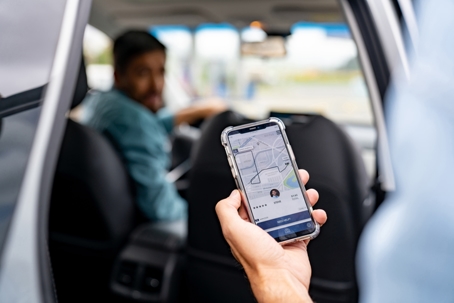
Florida Uber Driver Requirements- and Who Is Liable In An Accident
Many people assume that becoming an Uber or Lyft driver in Florida is straightforward—download an app, meet basic requirements, and start earning income.
In reality, Florida rideshare driver requirements are far more detailed and strictly enforced than most people realize. Failing to meet these requirements can result in disqualification, loss of income, or even significant legal and financial exposure after an accident.
Understanding these rules is essential—not just for getting approved, but for protecting yourself if something goes wrong.
If you have already been involved in a crash while driving for a rideshare company, it is important to understand your legal rights. You can learn more in our Florida car accident guide.
Driver Requirements in Florida
Minimum Age and Driving Experience
Uber and Lyft impose specific age and experience thresholds:
- Uber requires drivers to be at least 21 years old (23 for certain newer applicants)
- Lyft requires drivers to be at least 25 years old
- Drivers under 25 must typically have at least three years of driving experience
- Drivers 25 and older generally need at least one year of licensed driving experience
These requirements are designed to reduce risk and improve passenger safety.
License and Documentation Requirements
To qualify, drivers must provide:
- A valid driver’s license
- Proof of residency (for Uber)
- A valid Social Security number (for Lyft)
- Current vehicle registration and insurance documentation
Incomplete or outdated documentation is one of the most common reasons applications are delayed or denied.
Background Checks and Disqualifying Offenses
Florida law requires rideshare companies to conduct comprehensive background checks. These screenings review:
- Multi-state criminal records
- National sex offender registry
- Driving and safety history
Applicants may be disqualified for:
- Felony convictions within the past five years
- DUI, hit-and-run, or violent offenses
- Registration as a sex offender
These standards are strictly enforced and are not easily waived.
Driving Record Requirements
A driver’s record must meet specific criteria:
- No more than three moving violations within the past three years
- No major violations such as reckless driving
- No recent DUI or drug-related driving offenses
Even minor infractions can impact eligibility if they exceed these limits.
Vehicle Requirements for Uber and Lyft
Drivers must also ensure their vehicle meets platform-specific standards.
Uber Requirements
- Vehicle must be 16 years old or newer
- Four-door vehicle
- No significant cosmetic damage
- No commercial branding
Lyft Requirements
- Vehicle must generally be 2009 or newer
- Four-door vehicle
- Clean title (no salvage or rebuilt vehicles)
- Seating for 5–8 passengers
Different service levels (such as UberXL or Uber Black) require additional qualifications.
Insurance Requirements and Coverage Gaps
Insurance is one of the most misunderstood aspects of rideshare driving—and one of the most important.
Personal vs. Rideshare Insurance
A standard personal auto insurance policy typically does not cover accidents that occur while driving for a rideshare company.
Drivers must have appropriate coverage in place to avoid serious financial exposure.
How Coverage Changes During Rideshare Activity
Insurance coverage varies depending on the driver’s status:
- App off: Personal insurance applies
- App on, no ride accepted: Limited coverage may apply
- Ride accepted or passenger in vehicle: Rideshare company coverage is activated
Even during these periods, coverage limitations and exclusions can apply.
Florida Minimum Insurance Requirements
Florida law requires:
- $10,000 in Personal Injury Protection (PIP)
- $10,000 in Property Damage Liability
However, these minimums are often insufficient in serious accidents.
If you are unsure how insurance applies after a crash, reviewing your options in our guide to what to do after a car accident in Florida can help clarify your next steps.
Rideshare Company Coverage
Uber and Lyft provide up to $1 million in liability coverage once a ride is accepted. However:
- Coverage depends on compliance with all requirements
- Claims may be disputed or denied
- Deductibles and limitations still apply
Understanding these limitations is critical for protecting yourself.
What Happens If You Do Not Meet the Requirements
Failure to meet rideshare requirements can lead to serious consequences.
Disqualification and Deactivation
Drivers may be removed from the platform for:
- Failing background checks
- Excessive driving violations
- Vehicle non-compliance
- Missing or inaccurate documentation
Financial and Legal Exposure
Operating without proper qualifications or insurance can result in:
- Denied insurance claims
- Personal liability for damages and injuries
- Potential legal consequences
In accident cases, liability can quickly become complex. For a deeper understanding, see our page on Uber and Lyft accident claims in Florida.
Can You Reapply or Appeal?
In some situations, drivers may be able to:
- Dispute inaccurate background check results
- Update documentation
- Replace or upgrade a non-qualifying vehicle
However, serious violations may permanently prevent approval.
Final Thoughts
Driving for Uber or Lyft in Florida involves more than meeting basic requirements. It requires a clear understanding of:
- Legal qualifications
- Insurance coverage
- Liability risks
Taking the time to understand these factors can help you avoid costly mistakes and protect your financial future.
For more information about your rights after an accident, visit our Florida car accident guide or contact our office for a consultation.
About The Author
David Pittman is a Florida personal injury attorney with more than 30 years of experience representing accident victims throughout Naples, Bonita Springs, Estero, and Fort Myers. He has handled thousands of cases involving car accidents, slip and fall accidents, and wrongful death.
He has been recognized by Martindale-Hubbell and the Multi-Million Dollar Advocates Forum for his work in personal injury law.
As the founder of Pittman Law Firm, he focuses on holding negligent parties accountable and helping clients recover compensation after serious accidents and injuries.
If you were injured in an accident, contact Pittman Law Firm P.L. today for a free consultation.
The information on this website is for general information purposes only. Nothing on this site should be taken as legal advice for any individual case or situation. This information is not intended to create, and receipt or viewing does not constitute an attorney-client relationship with Pittman Law Firm, P.L.