
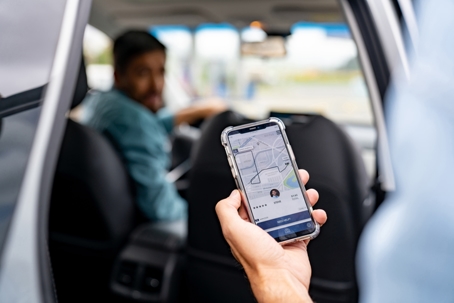
Florida Uber Driver Requirements: What Most Drivers Don't Know But Should
Most people think driving for Uber or Lyft is simple - just hop in your car and start earning money. The reality is far more complex than most aspiring drivers realize. Florida Uber driver requirements involve strict legal standards that can catch you off guard if you're not prepared.
Florida law mandates that transportation network companies like Uber and Lyft conduct thorough criminal background checks on all potential drivers. These aren't basic screenings - they dig deep into your history. Companies automatically reject applicants with any felony conviction within the last five years.
Age requirements will surprise you too. Uber requires drivers to be at least 21 years old, or 23 years old for new drivers signing up after June 27, 2024. But age alone won't qualify you. Drivers under 25 must have at least three years of driving experience, while those 25 and older need only one year. Florida law disqualifies any driver with more than three moving violations in the past three years.
Rideshare services have become the go-to transportation choice for tourists and locals throughout Florida. With this growth comes increased scrutiny and stricter enforcement of driver requirements. Don't get caught operating illegally - understanding these requirements protects you from serious legal and financial consequences.
This guide breaks down everything you need to know about driver qualifications, vehicle standards, insurance requirements, and what happens when drivers don't meet them. At Pittman Law Firm, we've seen too many drivers face devastating liability issues because they didn't understand the legal requirements. We want to help you avoid these costly mistakes.
Driver Requirements in Florida
Having a car and knowing how to drive won't cut it anymore. Both Uber and Lyft maintain specific standards that exceed state minimums across multiple categories. These companies aren't taking chances with driver safety - and neither should you.
Minimum age and driving experience
Age requirements vary between platforms and continue to change. Uber requires drivers to be at least 21 years old, though new drivers signing up after June 27, 2024, must be 23 years old to transport passengers. Lyft sets an even higher bar, requiring drivers to be at least 25 years old.
Experience matters just as much as age. Drivers under 25 face stricter requirements - they need at least three years of licensed driving experience. Those 25 and older need only one year. Younger drivers clearly face more hurdles to ensure passenger safety.
License and residency rules
Documentation requirements differ between the two companies. Uber specifically requires a valid Florida driver's license plus proof of residency in your city or state. Lyft takes a more flexible approach, accepting temporary or out-of-state licenses. However, Lyft requires a Social Security number that's at least six months old to pass identity verification.
Both services demand valid vehicle registration and insurance documents. Interestingly, Uber notes your vehicle doesn't necessarily need to be registered in your name.
Background check and disqualifying offenses
Florida law doesn't mess around with background checks. The state requires thorough criminal background screenings covering the Multi-State Criminal Records Locator, primary source validations, and the National Sex Offender Public Website.
Some convictions permanently disqualify you, regardless of when they occurred:
Murder, sexual assault, and terrorism-related offenses
Registration on the National Sex Offender Registry
Recent convictions within the past five years for any felony or for misdemeanors involving DUI, hit-and-run, or violent offenses will prevent approval.
Driving record and moving violations
Your DMV record faces strict scrutiny. Both companies automatically reject applicants with:
More than three moving violations in the past three years
One major moving violation like reckless driving in the past three years
DUI or drug-related driving offenses in the past seven years
Ongoing monitoring and rechecks
Getting approved is just the beginning. Uber reruns background checks at least once yearly, while Florida law only requires rechecks every three years. Both companies use continuous monitoring technology that alerts them to new offenses between scheduled reviews.
You'll also face periodic identity verification through selfie checks that match against your profile photos. This ensures the right person stays behind the wheel throughout your driving career.
Vehicle Requirements for Uber and Lyft
Your car needs to meet specific standards beyond just running and having four wheels. The requirements vary between companies and service tiers, and getting this wrong can derail your driving plans before you even start.
Uber Car Requirements in Florida
Uber accepts vehicles that are 16 years old or newer. You need a 4-door vehicle in good condition without cosmetic damage or commercial branding. Here's what many drivers don't realize: the vehicle doesn't need to be registered in your name to qualify. Registration documents can be official or temporary, but you must have your own insurance policy that complies with state laws.
Lyft Vehicle Requirements Florida
Lyft sets a higher bar, demanding vehicles from 2009 or newer. Like Uber, your car needs 4 doors and must seat between 5-8 passengers (including the driver). Lyft explicitly prohibits taxis, stretch limousines, and vehicles with salvage, non-repairable, or rebuilt titles.
Service Tier Differences You Need to Know
Each service level has different vehicle standards:
UberX: Requires 5 factory-installed seats and seat belts
UberXL: Needs 7 factory-installed seats and seat belts for larger groups
Uber Comfort: Demands newer, roomier vehicles plus a minimum driver rating of 4.85
Uber Black: Requires black vehicles from 2018 or newer with black leather interiors
Rental Vehicle Restrictions
Don't assume you can rent any car and start driving. Uber only permits rentals from approved partners. Using unauthorized rentals can result in account suspension or permanent deactivation. Lyft only allows rentals through their Express Drive program.
Airport Operations: Special Rules Apply
Airport driving comes with additional requirements. Both companies require decals displayed when operating at airports. Uber mandates this decal be placed on the front passenger windshield.
Florida airports operate on a first-in-first-out queue system. You must wait in designated staging areas and cannot wait elsewhere on airport property. Passenger cancelations don't affect your place in line, but driver cancelations do.
Violating these airport guidelines can result in citations and suspension from airport rideshare privileges. We've seen drivers face serious penalties for not understanding these rules.
Insurance Rules Every Driver Must Know
Insurance gaps destroy rideshare drivers financially. The complexity catches most Florida drivers completely off guard, and the mistakes can cost you everything you own.
Personal insurance vs rideshare insurance
Your standard personal auto policy excludes coverage the moment you start using your vehicle commercially. Rideshare insurance fills this dangerous gap, protecting you while you're working. Without specialized rideshare coverage, you become personally responsible for damages that can easily exceed hundreds of thousands of dollars in a serious accident.
Coverage when app is off vs on
Insurance protection changes dramatically across four distinct periods. When your rideshare app is off (Period 0), only your personal insurance applies. Turn on the app without accepting a ride (Period 1), and limited rideshare coverage kicks in along with minimal company liability insurance. Accept a ride (Period 2) or have a passenger in your car (Period 3), and both your personal rideshare insurance and company coverage should fully protect you.
The key word here is "should" - insurance companies look for every reason to deny claims.
Florida's minimum insurance requirements
Florida law requires all rideshare drivers to maintain standard personal vehicle insurance throughout operations. You need at least $10,000 in personal injury protection and $10,000 in property damage liability. Here's the problem: your personal insurer can deny coverage completely while you're using rideshare apps, forcing you to purchase additional coverage.
What Uber and Lyft provide during rides
Once you accept a ride request, Uber and Lyft provide $1 million in liability coverage. This protects against injuries to riders and third parties when you're at fault. They also provide collision coverage to repair your vehicle, but you'll pay a $2,500 deductible if your personal policy includes comprehensive and collision coverage.
Uninsured/underinsured motorist coverage
Florida has one of the highest uninsured driver rates in the country - approximately 16-20%. Despite this alarming statistic, state law doesn't require rideshare companies to provide uninsured motorist coverage. If an uninsured driver hits you while you're waiting for a ride request, you could face devastating coverage gaps.
We've seen drivers at Pittman Law Firm face financial ruin because they didn't understand these insurance complexities. If you have been injured in an accident and need a lawyer, call Pittman Law Firm, P.L. today for a free consultation. Don't let insurance companies leave you holding the bill for someone else's negligence.
What Happens If You Don't Meet the Requirements
Trying to shortcut Florida's rideshare requirements creates serious problems that can haunt you for years. We've represented drivers who thought they could bend the rules - the consequences always cost more than following them from the start.
Common reasons for disqualification
Most disqualifications happen because of criminal history issues, poor driving records, or vehicles that don't meet company standards. Even seemingly minor problems like three moving violations within three years will shut down your application immediately.
Missing paperwork trips up many drivers too. Incomplete documentation like missing vehicle insurance or registration documents causes applications to stall indefinitely. Companies won't process partial applications - every document must be complete and current.
Penalties for non-compliance
Operating without proper qualifications isn't just breaking company rules - you're potentially breaking the law. Drivers caught working without meeting requirements face immediate deactivation from both platforms.
Working with falsified documents can result in criminal charges. Insurance companies regularly void coverage when they discover unreported commercial activity. You could face prosecution for insurance fraud on top of losing your driving privileges.
Impact on accident liability
Here's what keeps us busy at Pittman Law Firm - drivers who operated without proper qualifications or insurance face devastating personal financial exposure. When you're involved in an accident while driving for Uber or Lyft without meeting requirements, both companies deny coverage completely.
This leaves you personally responsible for all damages and medical costs. We've seen drivers lose their homes, retirement savings, and future earnings because they cut corners on requirements. The medical bills alone from a serious accident can reach hundreds of thousands of dollars.
How to appeal or reapply
Rejection doesn't always mean the end of your rideshare driving career. For background check issues, you can request reconsideration after obtaining documentation proving the information was wrong.
Vehicle problems are often easier to fix. Upgrading to a qualifying car allows immediate reapplication. Some drivers find leasing or financing a newer vehicle costs less than losing rideshare income opportunities.
If you've been injured in a rideshare accident and need legal help, contact Pittman Law Firm today for a free consultation. We understand the complex insurance and liability issues that rideshare drivers face.
Don't Let Requirements Catch You Off Guard
Florida's rideshare requirements aren't simple - and most aspiring drivers learn this the hard way. Age limits, background checks, vehicle standards, and insurance gaps create a maze that trips up even experienced drivers.
The stakes are too high to guess. Getting caught without proper qualifications means immediate deactivation, voided insurance coverage, and personal liability for potentially hundreds of thousands in accident damages.
Vehicle standards vary between companies and service tiers. Insurance coverage shifts depending on whether your app is on or off. Background checks dig deeper than most people expect. Each requirement matters, and missing even one can derail your entire driving career.
Some drivers get rejected and give up. Others try to work around the rules and face serious legal consequences. The smart approach? Understand every requirement before you apply.
Florida's rideshare industry keeps growing, but so does the competition and scrutiny. Whether you want to drive full-time or earn extra weekend income, knowing these rules protects your financial future and keeps you legally compliant.
We understand that navigating these requirements can feel overwhelming. At Pittman Law Firm, we've seen too many drivers face devastating consequences because they didn't understand the legal landscape. We want to help you avoid these costly mistakes and protect what matters most - your family's financial security.
If you've been injured in a rideshare accident and need experienced legal representation, contact us today for a free consultation. We're here to fight for you when you need it most.
Key Takeaways
Understanding Florida's rideshare requirements is crucial for avoiding costly mistakes and ensuring legal compliance while driving for Uber or Lyft.
• Age and experience matter more than you think: Uber requires drivers to be 21+ (23+ for new signups after June 2024), while Lyft requires 25+, with stricter experience requirements for younger drivers.
• Your driving record must be spotless: More than three moving violations in three years or any major violation like DUI in the past seven years will disqualify you immediately.
• Insurance gaps can cost you thousands: Standard personal auto policies exclude rideshare coverage, leaving you personally liable for damages without proper rideshare insurance during all driving periods.
• Vehicle age limits are strictly enforced: Uber accepts cars 16 years or newer, while Lyft requires 2009 or newer vehicles, with additional restrictions on salvage titles and commercial branding.
• Non-compliance has serious consequences: Operating without proper qualifications can result in immediate deactivation, voided insurance coverage, and personal liability for all accident damages.
The key to successful rideshare driving in Florida lies in thorough preparation and understanding that these requirements exist to protect both drivers and passengers. Taking shortcuts or ignoring these standards can lead to financial disaster and legal complications that far exceed any potential earnings.
FAQs
Q1. What are the basic requirements to become an Uber driver in Florida? To drive for Uber in Florida, you must be at least 21 years old (23 for new drivers after June 2024), have a valid Florida driver's license, and at least one year of licensed driving experience if you're 25 or older (three years if under 25). You'll also need a clean driving record and must pass a background check.
Q2. How does insurance work for rideshare drivers in Florida? Rideshare drivers in Florida need both personal auto insurance and rideshare insurance. When the app is off, only personal insurance applies. Once the app is on, limited rideshare coverage activates. When a ride is accepted or a passenger is in the car, both personal rideshare insurance and company coverage fully protect the driver.
Q3. What vehicle requirements must be met for Uber and Lyft in Florida? For Uber, vehicles must be 16 years old or newer, while Lyft requires vehicles from 2009 or newer. Both companies require 4-door vehicles in good condition. The car must seat between 5-8 passengers (including the driver) and have factory-installed seat belts for all passengers.
Q4. Can I use a rental car for rideshare driving in Florida? Yes, but with restrictions. Uber only permits rentals from approved partners, while Lyft allows rentals through their Express Drive program. Using unauthorized rentals can result in account suspension or deactivation.
Q5. What happens if I don't meet all the rideshare requirements in Florida? Failing to meet requirements can lead to immediate deactivation from the platforms. Operating without proper qualifications or insurance could result in personal liability for accident damages, potential criminal charges for falsified documents, and voided insurance coverage. It's crucial to ensure all requirements are met before starting to drive.
The information on this website is for general information purposes only. Nothing on this site should be taken as legal advice for any individual case or situation. This information is not intended to create, and receipt or viewing does not constitute an attorney-client relationship with Pittman Law Firm, P.L.