
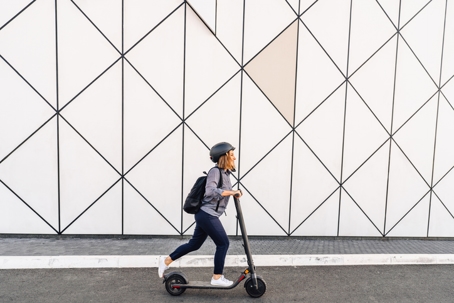
Florida Electric Scooter Laws Explained: Your Fort Myers Street-Legal Guide
Florida electric scooter laws can mean the difference between a safe ride and a costly legal problem. E-scooter injuries jumped by 22% nationwide in just one year, with nearly 57,000 riders ending up in emergency rooms in 2022. The numbers tell a stark story about what happens when riders don't understand the rules.
You might think electric scooters offer a clean way to get around - they do reduce CO2 emissions by 225 kilograms annually. But the risks are real and growing. A Tampa General Hospital study found that 41% of scooter crash victims suffered head injuries and nearly a third required hospital admission. Even more concerning, crashes involving bicycles or pedestrians increased from 131 to 183 in just one year.
Are electric scooters legal in Florida? Yes, but the rules are far from simple. State laws conflict with local ordinances, and what's legal in downtown Fort Myers could get you fined at Fort Myers Beach. Helmets reduce the risk of fatal head injuries by over 60%, yet most riders skip this basic protection.
You need to understand these laws before you ride. This guide covers everything from licensing requirements and insurance considerations to where you can legally operate your e-scooter in Fort Myers. We'll break down the different categories of electric scooters and the specific rules that apply to each type.
Don't get caught off guard by regulations that could impact your safety and your wallet.
What Type of Electric Scooter Are You Actually Riding?
Florida doesn't treat all electric scooters the same way. The state classifies these vehicles based on engine size, speed capabilities, and design features. Getting this classification wrong can land you in legal trouble.
Florida's Definition of an Electric Scooter
Florida law defines electric scooters as stand-up devices with handlebars, designed primarily for standing operation, powered by an electric motor. Your scooter must meet these specific criteria:
Cannot exceed 20 mph on level ground
Has no more than three wheels
Designed primarily for use on streets or sidewalks
The state draws a clear line between rental e-scooters you find around Fort Myers and the one you own personally. More importantly, motorized scooters without seats fall into a completely different legal category than seated motor scooters. This distinction affects where you can legally ride them.
E-Scooters vs. Motor Scooters vs. E-Bikes: Know the Difference
Each vehicle type comes with its own set of legal requirements:
E-scooters are stand-up devices with small wheels and electric motors. Florida treats them as "motorized scooters" under state law. You can use them on sidewalks and bike paths in most areas.
Motor scooters with seats get classified based on engine size:
Under 50cc: Still considered "motorized scooters"
50cc and above: Treated exactly like motorcycles, complete with registration and licensing requirements
E-bikes have pedals and electric motors under 750 watts. Florida considers them bicycles rather than motor vehicles, but only when they:
Cannot exceed 20 mph with motor assistance alone
Require pedaling above 20 mph
Have motors that disengage when braking
Engine Size Determines Your Legal Obligations
The size of your scooter's engine changes everything about what you need to ride legally:
49cc scooters (under 50cc):
No motorcycle endorsement required
Regular driver's license works fine
No title or registration needed when classified as motorized scooters
150cc scooters:
Motorcycle endorsement required
Full registration and titling mandatory
300cc scooters:
Follow all motorcycle regulations
Require motorcycle endorsement
Must carry proper insurance coverage
Subject to all motorcycle safety equipment requirements
Misunderstanding your scooter's classification can create serious legal problems. The legal distinction between these categories determines everything from where you can ride to what safety gear you must wear.
What You Need to Know About Florida E-Scooter Laws
Understanding Florida's legal requirements for electric scooters could save you from unexpected fines and serious legal trouble. The rules might seem straightforward, but the details matter when it comes to licensing, helmets, insurance, and registration.
Do You Need a License to Ride an Electric Scooter in Florida?
Here's some good news: you don't need a driver's license to operate a motorized scooter or micromobility device. This applies specifically to stand-up electric scooters without seats. However, you must be at least 16 years old to ride legally.
Rental scooter companies often set their own rules - many require users to be 18 with a valid license. This is company policy, not state law. Don't assume rental company rules reflect what Florida actually requires.
Helmet Requirements: Age Makes the Difference
Florida keeps helmet laws simple based on your age:
Under 16 years old: Helmets are mandatory
16 and older: No legal helmet requirement, though we strongly recommend wearing one
If you choose to wear a helmet, make sure it meets federal safety standards, including ANSI or Snell Memorial Foundation certifications. Different rules apply to motorcycles and mopeds, but for e-scooters, age is the deciding factor.
Insurance Requirements: Not Required, But Smart
Insurance is not legally required for electric scooters in Florida. The state explicitly exempts motorized scooters from insurance requirements. However, this doesn't mean you should ride without protection.
Think about the potential costs. Medical bills from a serious accident can reach thousands of dollars. Property damage claims can add up quickly. If you're involved in an accident without insurance, you'll be personally responsible for every dollar in damages and injuries. Many legal experts recommend getting coverage voluntarily.
Registration and Title Requirements Made Simple
Florida law is clear: motorized scooters and micromobility devices are exempt from registration and title requirements. You don't need to register your e-scooter or obtain a title.
The rules change for different vehicles. Seated motor scooters with engines over 50cc are treated as motorcycles and must be registered with the Florida Department of Highway Safety and Motor Vehicles. Mopeds with seats, pedals, and motors under 2HP require registration but no title.
Getting these classifications wrong could result in vehicle impoundment and fines. When in doubt, check with local authorities before you ride.
Fort Myers Has Its Own Rules - And They're Stricter Than You Think
Local regulations turn electric scooter riding in Fort Myers into a minefield of conflicting rules. What works downtown could land you with a fine at the beach. You need to know exactly where you are before you ride.
The Fort Myers Scooter Map: Where You Can Actually Ride
Downtown Fort Myers permits electric scooters through a one-year pilot program, whereas Fort Myers Beach has completely banned them. The Town of Fort Myers Beach prohibits motorized micro-mobility devices on sidewalks, shared paths, streets, and roads due to safety concerns and heavy pedestrian traffic. Cross the wrong street, and you've gone from legal to illegal instantly. Currently, most personal electric scooters are allowed where rental scooters are present.
Think of it this way: Fort Myers Beach treats e-scooters like they don't exist. They want them gone, period.
Streets, Sidewalks, and Where You'll Get Stopped
Downtown Fort Myers has a simple rule about sidewalks: strictly prohibited. You must use streets, even though the city has confirmed there aren't any bike lanes downtown due to the historic designation and narrow roads. This puts you directly in traffic with cars that may not see you coming.
Fort Myers Beach adds another wrinkle. A new ordinance allows electric bicycles on certain sidewalks at speeds up to 15 mph, but e-bike operators must reduce speed to 1-3 mph when passing pedestrians. Don't confuse this with e-scooter rules - they're still banned completely. Bicycles and electric bicycles are prohibited on sidewalks adjacent to Estero Boulevard between Old San Carlos Boulevard and Avenue C.
Technology That Watches Every Move
Fort Myers uses geofencing technology to track exactly where you ride. E-scooters operate only from 6 a.m. to midnight daily. The system creates invisible boundaries that limit you to specific downtown areas, slow zones where speeds automatically drop to 10 mph, and no-ride zones where scooters stop completely. Speed limits stay between 12-15 mph throughout service areas.
Your scooter knows where you are, and so does the city.
What Happens When You Break These Rules
Fort Myers enforcement officers typically issue written warnings for first-time violations. Get caught again, and you're looking at fines between $50-$100 depending on what you did wrong. Fort Myers Beach doesn't mess around - operating a bicycle or electric bicycle on restricted sidewalks costs you $100 immediately.
Here's what many riders don't realize: operating a scooter while intoxicated can result in a DUI, just like driving a car. That's not a traffic ticket - that's a criminal charge that follows you for years.
The Reality of E-Scooter Accidents in Fort Myers
E-scooter accidents have exploded across Florida, with injuries increasing 21% between 2021 and 2022 alone. We understand that being injured in an accident can have a major impact on your life, and these statistics represent real people facing real consequences.
What Causes Most E-Scooter Crashes
Car collisions cause the most devastating e-scooter accidents. Drivers simply don't see these smaller vehicles, particularly at night. Road hazards like potholes, uneven sidewalks, and debris can instantly stop a scooter's small wheels, sending you flying forward. Mechanical failures happen too - brake problems and battery issues that leave riders helpless.
Your behavior matters more than you might think. A Tampa study found 14% of injured scooter patients had consumed alcohol before their accident, doubling their risk of head trauma. Riding after dark without proper lighting turns you into an invisible target.
Who Gets Hurt and How Badly
Head injuries dominate e-scooter accidents. A Tampa study revealed 40.8% of injured riders suffered head trauma yet only 2.1% wore helmets. Think about that - nearly half of all riders who crash suffer head injuries, but almost nobody protects themselves.
Broken bones come next, especially wrists and arms when you try to break your fall. Facial cuts, dental damage, and road rash round out the common injuries. These aren't minor scrapes - they're life-changing injuries that require extensive medical treatment.
Riders aged 21-30 account for 30.8% of injuries. Most crashes happen on weekends and at night, often with alcohol involved. Even children face serious risks, accounting for 36% of micromobility injuries despite being only 18% of the population.
When Accidents Happen, Who Pays?
Fault after an e-scooter crash often involves multiple parties:
Negligent drivers who hit scooter riders
The riders themselves if breaking traffic laws
Scooter rental companies for poor maintenance
Property owners or cities for hazardous conditions
Local regulations make liability even more complex. What's legal in downtown Fort Myers might be prohibited at Fort Myers Beach. This patchwork of rules can impact your accident claims and compensation.
Why You Need Protection
Florida law doesn't require insurance for e-scooters, but the financial risks can destroy your family's future. Basic policies start around $75-$100 annually - protection that far outweighs its cost.
Tens of thousands of e-scooter injuries occur yearly. Riding uninsured means gambling with your financial security. If you've been injured in an accident and need an attorney, call Pittman Law Firm, P.L. today for a free consultation.Without coverage, you'll be personally liable for all damages and medical costs resulting from an accident.
We treat every case like we were handling it for a family member. Don't become another statistic - protect yourself and your loved ones.
Your Safety Matters More Than Convenience
Electric scooters offer a convenient way to get around Fort Myers, but convenience means nothing if you end up in the emergency room. We understand that sorting through state laws, local ordinances, and safety requirements can feel overwhelming when you just want to get from point A to point B.
The reality is stark. Despite reducing fatal head injuries by over 60%, most riders still choose not to wear helmets. You might think accidents happen to other people, but the statistics show otherwise. Fort Myers' patchwork of regulations makes things even more complicated - what's perfectly legal downtown could cost you $100 in fines at Fort Myers Beach.
You don't need insurance to ride legally, but you need to ask yourself this: can you afford to be personally responsible for all medical costs and property damage if something goes wrong? With accident rates climbing every year, riding without protection is a gamble that could cost you everything.
Before you hop on that scooter, take a few minutes to understand the rules that apply to your specific situation. Know where you can ride, what safety equipment you should use, and what your responsibilities are. Following the law isn't just about avoiding fines - it's about making sure you don't become one of the thousands who suffer serious injuries each year.
If you've been injured in an e-scooter accident in Fort Myers, don't handle the legal complexities alone. We understand how confusing these cases can be, especially when you're dealing with injuries and mounting medical bills. Our team has spent over 30 years helping accident victims understand their rights and fight for the compensation they deserve.
Contact Pittman Law Firm, P.L. today for a free consultation. We work on a contingency fee basis, meaning there is no fee unless we win your case. Don't let someone else's negligence cost you twice - once in the accident, and again in legal bills.
Key Takeaways
Understanding Florida's electric scooter laws is crucial for safe and legal riding, especially as accident rates continue to surge statewide. Here are the essential points every Fort Myers rider needs to know:
• No license required for stand-up e-scooters - Florida exempts motorized scooters from licensing requirements, but riders must be at least 16 years old
• Helmet laws vary by age - Only riders under 16 are legally required to wear helmets, though safety experts strongly recommend them for all ages
• Fort Myers has strict location rules - Downtown allows e-scooters with geofencing limits, but Fort Myers Beach completely bans them on all roads and sidewalks
• Insurance isn't required but recommended - While Florida law doesn't mandate coverage, personal liability for accidents can be financially devastating
• Vehicle classification determines regulations - Stand-up e-scooters follow different rules than seated motor scooters, with engine size affecting licensing and registration requirements
• Safety risks are significant - Head injuries occur in 40% of accidents, yet only 2% of riders wear helmets, making protective gear essential despite legal exemptions
The complex web of state and local regulations means what's legal in one area may result in fines in another. Always verify local rules before riding and prioritize safety equipment regardless of legal requirements.
FAQs
Q1. Do I need a license to ride an electric scooter in Fort Myers? No, you don't need a driver's license to operate a stand-up electric scooter in Fort Myers. However, riders must be at least 16 years old.
Q2. Are helmets required when riding e-scooters in Florida? Helmets are only legally required for riders under 16 years old. However, safety experts strongly recommend all riders wear helmets regardless of age due to the high risk of head injuries.
Q3. Where can I ride my electric scooter in Fort Myers? In downtown Fort Myers, e-scooters are allowed on streets but prohibited on sidewalks. Fort Myers Beach has banned e-scooters entirely. Always check local regulations as they vary by area.
Q4. Do I need insurance for my electric scooter in Florida? While not legally required, insurance is highly recommended for e-scooter riders. It can protect you financially in case of accidents, which are unfortunately common.
Q5. What are the speed limits for e-scooters in Fort Myers? E-scooters in Fort Myers are generally limited to speeds between 12-15 mph in service areas. Some zones may have lower speed limits, with scooters automatically slowing down to 10 mph in designated slow zones.
The information on this website is for general information purposes only. Nothing on this site should be taken as legal advice for any individual case or situation. This information is not intended to create, and receipt or viewing does not constitute an attorney-client relationship with Pittman Law Firm, P.L.